China Top 10 Payload Capable UAVs for Global Buyers

Time:2026-10-19 Author:Oliver
0%

China Top 10 Payload Capable UAVs for Global Buyers examines aircraft designed for practical civilian operations. These Payload-Capable UAVs support mapping, agriculture, inspection, logistics, surveying, and emergency response. Their value depends on more than maximum lift.

A useful comparison considers payload capacity, endurance, range, flight stability, control systems, and operating conditions. A drone carrying a camera, multispectral sensor, or delivery container may perform differently in strong wind. Battery temperature matters too. So does launch-site access. Small details often affect real project costs.

This guide draws on publicly available manufacturer information, technical specifications, product demonstrations, and reported field applications. It also highlights service networks, spare-part access, training, software compatibility, and relevant certifications. Buyers should confirm every specification directly with suppliers before making decisions. Independent testing is preferable when available.

No ranking can fit every market. Some published figures may reflect ideal conditions, not daily operations. That limitation deserves attention. Local aviation rules, privacy requirements, import procedures, and insurance obligations also vary by country. Responsible buyers should obtain professional compliance advice before deployment.

The selected models are presented for lawful and safety-focused uses. Their suitability may change with payload shape, altitude, weather, terrain, and mission duration. A strong aircraft on paper may still disappoint without reliable support. Practical evidence matters. This overview aims to help global buyers ask sharper questions, compare realistic capabilities, and choose equipment with greater confidence.
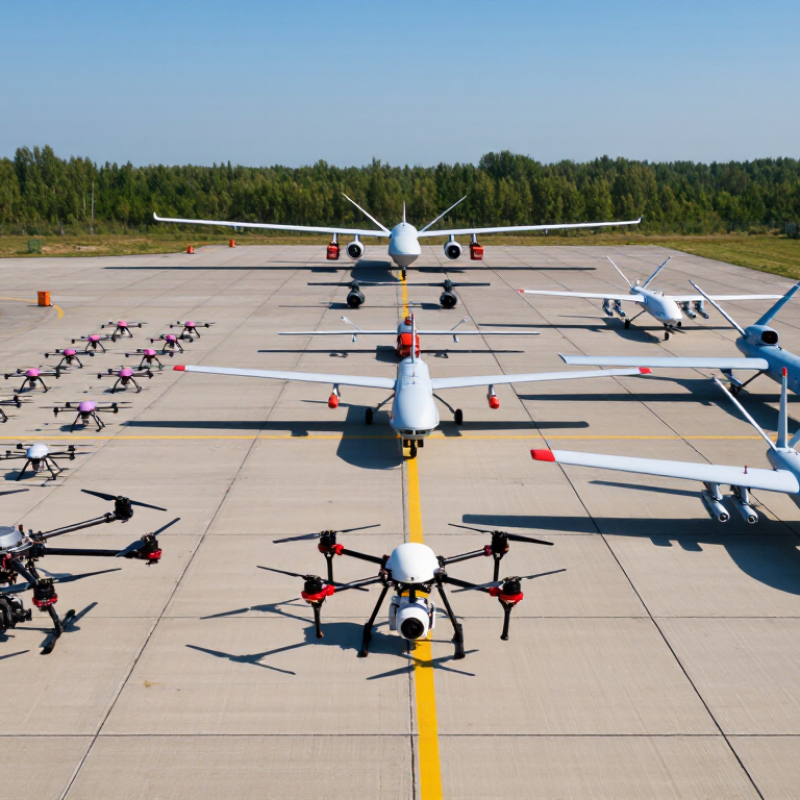
China Top 10 Payload Capable UAVs for Global Buyers

UAV Payload Capacity: Definitions, Classes, and Evaluation Criteria

China Top 10 Payload Capable UAVs for Global Buyers

UAV payload capacity means the usable mass carried beyond the aircraft’s basic flight system. It may include cameras, sensors, batteries, cargo, or release equipment. Buyers should separate maximum payload from useful payload. Maximum payload is a laboratory limit. Useful payload reflects wind, altitude, temperature, flight time, and safety margins.

The FAA defines a small unmanned aircraft system as weighing under 55 pounds, or 25 kilograms, including the aircraft, payload, and related equipment. This figure is not a 25-kilogram payload rating. EASA’s risk-based framework also shows why weight alone is insufficient. A 3-kilogram aircraft over people may create greater risk than a heavier aircraft in a controlled industrial site. The boundary is imperfect.

For practical screening, global buyers can use four working classes: micro below 2 kilograms, light from 2 to 25 kilograms, medium from 25 to 150 kilograms, and heavy above 150 kilograms. These bands are commercial references, not universal legal categories. A 2024 commercial drone market analysis from Drone Industry Insights highlights application-specific performance, while FAA guidance stresses total takeoff weight. Therefore, evaluation should record payload at a stated range, altitude, wind speed, and battery condition. A payload chart can mislead. My own comparison method also checks payload-to-endurance ratio, battery reserve, mounting flexibility, and maintenance access. A heavy lift rating means little if the aircraft lands after twelve minutes.

China’s Payload-Capable UAV Market and Export Landscape

China’s payload-capable UAV market is expanding beyond surveillance missions. Agricultural spraying, industrial inspection, mapping, and emergency response now drive many purchases. The Civil Aviation Administration of China reported that China’s civil drone industry exceeded RMB 117 billion in output in 2023. MarketsandMarkets projects the global UAV market to grow from USD 30.6 billion in 2023 to USD 47.1 billion by 2028. Payload demand is becoming more practical, not merely larger.

For global buyers, the leading Chinese export candidates should be compared by payload class, endurance, control range, sensor integration, and service support. A 10-kilogram payload may suit corridor inspection, while heavier platforms can carry multispectral cameras, radar, or delivery equipment. Buyers should request verified flight logs, battery-cycle records, and local compliance documents. Specifications on brochures can look impressive. Field performance may differ.

Export data remains difficult to interpret. The UN Comtrade HS 8806 category includes several unmanned aircraft types, so its figures do not isolate payload-capable systems. SIPRI’s Arms Transfers Database is useful for military-transfer context, but it excludes much civilian activity. That distinction matters. China’s export landscape is therefore broad, yet comparisons are imperfect. A credible top-ten assessment should combine customs data, independent testing, certification records, and documented overseas operations. Cost still attracts buyers, but training, spare parts, software access, and airspace approval often decide the real value.

The Top 10 Chinese UAVs by Payload Capacity and Mission Profile

China Top 10 Payload Capable UAVs for Global Buyers

Chinese UAV development now covers many payload classes and mission profiles. This comparison focuses on practical capacity, not publicity claims. Heavy-lift multirotors can carry 20–80 kilograms for construction lifting, emergency delivery, and inspection equipment. Hybrid VTOL aircraft often carry 10–30 kilograms while covering long rural routes. Large fixed-wing platforms usually support mapping sensors, communications equipment, or environmental instruments.

The third profile is the agricultural aircraft, commonly carrying 20–50 liters for regulated spraying or seed distribution. Medium cargo UAVs may transport 50–200 kilograms between isolated sites. Compact logistics models handle smaller packages and frequent urban routes. Long-endurance survey aircraft prioritize flight time over payload, often carrying cameras, lidar, or gas sensors. Tethered systems provide steady observation with limited movement and modest equipment weight.

Heavy industrial multirotors can lift generators, cables, or rescue supplies, but wind reduces their useful capacity. Water-resistant inspection UAVs carry thermal cameras and sampling tools for reservoirs and pipelines. Finally, specialized firefighting aircraft may carry water or fire-retardant loads for controlled emergency support. Payload figures need careful checking. Advertised maximum weight may exclude batteries, safety reserves, and weather limits. Battery temperature, landing space, and local aviation rules also change the real mission profile. That gap is easy to underestimate. A buyer should request verified flight logs, maintenance data, and independent acceptance tests before selecting a platform.

China Top 10 Payload-Capable UAVs for Global Buyers

The top 10 Chinese UAVs ranked by publicly reported maximum payload capacity and grouped by primary mission profile.

Payload figures are publicly reported maximum or representative capacities and may vary by configuration, fuel load, range, and mission equipment. The rankings are intended for high-level market comparison rather than procurement specifications.

Comparing Sensors, Endurance, Range, and Operational Flexibility

For global buyers comparing China’s top ten payload-capable UAVs, payload mass is only the starting point. Sensor compatibility often matters more. Stabilized electro-optical and infrared cameras support inspection, mapping, and emergency assessment. Multispectral sensors help evaluate crops and vegetation. Radar or laser systems may improve performance in poor visibility, but they increase weight and power demand. A practical evaluation should examine image quality, vibration control, night performance, and data security. Small details matter, such as connector types and the time needed to change a sensor.

Endurance figures require careful reading. A published flight time may exclude strong wind, cold weather, or a full payload. A loaded aircraft can lose useful air time quickly. Longer range is not always better. Authorized operators still need compliant flight planning, reliable command links, and safe recovery zones. Some platforms favor battery swapping and quiet operation. Others use fuel systems for longer missions and heavier equipment. Field teams should measure launch preparation, landing accuracy, and maintenance between flights. Real conditions are rarely perfect.

Operational flexibility separates a capable aircraft from a difficult one. Modular payload bays, multiple takeoff options, and portable ground stations can reduce deployment time. An aircraft that fits into two cases may outperform a larger system at remote sites. Buyers should request independent test records, service procedures, software update policies, and training details. A spreadsheet can look precise while hiding weak support or difficult repairs. I would also question impressive range claims without weather data and payload conditions. Small compromises are acceptable, but hidden ones become expensive.

China Top 10 Payload-Capable UAVs for Global Buyers — Comparing Sensors, Endurance, Range, and Operational Flexibility
Rank Anonymous Platform Primary Class and Mission Maximum Payload Typical Endurance Publicly Reported Range Representative Sensor Options Operational Flexibility Runway and Support Requirements Best-Fit Buyer Profile
1 Platform 01 Heavy MALE armed reconnaissance and precision-strike UAV Up to 1,000 kg Up to 60 hours Approximately 6,500 km ferry range Electro-optical/infrared turret, synthetic-aperture radar, ground-moving-target indication, maritime search radar, laser designation, electronic-support payloads Supports multi-role intelligence, surveillance, reconnaissance, strike, maritime patrol, and long-duration border monitoring Conventional runway operations; requires satellite communications, mission-control shelter, fuel, and trained maintenance personnel States requiring long-endurance surveillance and a large payload margin for mixed sensor and weapon configurations
2 Platform 02 Medium-to-heavy MALE reconnaissance and strike UAV Up to 480 kg Up to 32 hours Approximately 4,000 km ferry range Day/night electro-optical/infrared system, laser rangefinder/designator, synthetic-aperture radar, communications relay, maritime surveillance radar Can conduct persistent land surveillance, convoy overwatch, target acquisition, precision engagement, and coastal patrol missions Runway-based; comparatively mature ground-control architecture and modular external stores Export operators seeking a balanced payload, endurance, and strike capability without moving to the largest UAV class
3 Platform 03 Long-endurance MALE reconnaissance and precision-strike UAV Up to 345 kg Up to 30 hours Approximately 3,500 km ferry range Stabilized electro-optical/infrared turret, laser designation, synthetic-aperture radar, communications relay, signals-intelligence payloads Suitable for wide-area ISR, armed overwatch, border security, counter-insurgency, and disaster-area observation Requires prepared runway and ground-support equipment; can use multiple payload and weapon station arrangements Users prioritizing a lower acquisition and operating burden while retaining long-duration armed ISR capability
4 Platform 04 Large twin-engine MALE unmanned combat aerial vehicle Up to 300 kg Up to 35 hours Approximately 6,000 km ferry range Electro-optical/infrared turret, laser designator, synthetic-aperture radar, electronic-intelligence package, satellite communications Twin-engine configuration improves redundancy and supports operations over remote land and maritime areas; adaptable for reconnaissance, strike, and communications relay Conventional runway; benefits from larger apron space, specialized maintenance equipment, and beyond-line-of-sight connectivity Operators requiring greater geographic reach and engine redundancy than a conventional single-engine MALE platform
5 Platform 05 Medium-altitude long-endurance surveillance and strike UAV Up to 200 kg Up to 20 hours Approximately 4,000 km ferry range Electro-optical/infrared sensor, laser rangefinder, synthetic-aperture radar, communications relay, compact electronic-support equipment Flexible for border patrol, tactical reconnaissance, target tracking, disaster assessment, and limited precision-strike missions Runway-based with a smaller logistical footprint than heavy MALE systems; suitable for dispersed operating locations Buyers seeking a widely applicable platform for surveillance with optional light strike integration
6 Platform 06 Medium-altitude endurance UAV for tactical ISR and light strike Up to 150 kg Up to 24 hours Approximately 3,000 km ferry range Electro-optical/infrared turret, laser rangefinder, compact synthetic-aperture radar, maritime or communications payload options Combines persistent observation with limited external stores; suitable for land security, coastal monitoring, and tactical target acquisition Requires a prepared runway but generally needs less infrastructure than heavy systems; compatible with mobile ground-control elements Medium-sized air forces and security agencies requiring endurance without a heavy maintenance ecosystem
7 Platform 07 Medium tactical reconnaissance and strike UAV Up to 120 kg Up to 40 hours Approximately 5,000 km ferry range Electro-optical/infrared turret, laser designation, synthetic-aperture radar, communications relay, optional signals-monitoring payload Strong endurance-to-payload ratio; appropriate for border surveillance, artillery observation, maritime patrol, and persistent route monitoring Runway-based; typically easier to deploy than heavy MALE systems, but still requires dedicated launch, recovery, and data-link teams Buyers placing a premium on long loiter time and comparatively modest operating costs
8 Platform 08 Light tactical UAV for short-range ISR and precision support Up to 50 kg Up to 10 hours Approximately 1,000 km ferry range Day/night electro-optical/infrared payload, laser rangefinder, compact mapping camera, communications relay, lightweight signals sensor Can provide tactical reconnaissance, route security, artillery adjustment, convoy support, and emergency communications relay Smaller runway or prepared strip; lower fuel and maintenance requirements; suitable for deployment closer to supported units Organizations needing an economical tactical ISR system rather than a heavy strike platform
9 Platform 09 High-altitude long-range strategic reconnaissance UAV Approximately 500–650 kg mission payload Approximately 10–12 hours More than 7,000 km reported mission radius or ferry-distance class, depending on configuration Large-area electro-optical imaging, synthetic-aperture radar, electronic-intelligence sensors, signals intelligence, high-bandwidth satellite communications Optimized for strategic-area surveillance and stand-off collection rather than routine armed operations; high-altitude profile increases sensor coverage Requires long, well-prepared runway, advanced air-traffic coordination, secure data links, and specialized high-altitude maintenance support National-level users seeking wide-area intelligence collection and persistent strategic monitoring
10 Platform 10 Medium tactical multi-mission UAV Up to 60 kg Up to 12 hours Approximately 1,000 km ferry range Electro-optical/infrared turret, mapping camera, lightweight radar, communications relay, environmental-monitoring instruments Useful for tactical ISR, infrastructure inspection, disaster response, border patrol, and limited payload delivery Can operate from compact prepared runways; lower personnel, fuel, and ground-equipment demands than MALE platforms Police, border agencies, emergency services, and smaller defense forces requiring a flexible multi-mission aircraft
Note: Payload, endurance, and range figures are representative publicly reported maximum values for the relevant Chinese platform class. Actual performance varies with fuel load, altitude, weather, sensor fit, communications equipment, weapons, and mission profile. Ferry range is not equivalent to operational combat radius.

Procurement Factors for Global Buyers: Compliance, Support, and Cost

China Top 10 Payload Capable UAVs for Global Buyers

Selecting a payload-capable UAV requires more than comparing lift capacity. Buyers should verify export classification, radio approvals, cybersecurity controls, and local flight rules. The European Union Aviation Safety Agency’s Annual Safety Review 2024 stresses risk-based operations and operator competence. That makes training records and maintenance procedures procurement essentials.

Compliance varies sharply by market. A platform accepted for agricultural mapping may need additional approval for surveying, inspection, or delivery work. Check encrypted communications, remote identification, geofencing options, and data-storage location before signing. The World Bank’s Logistics Performance Index 2023 compares 139 economies, showing major differences in infrastructure and customs efficiency. Import planning matters.

Support often decides the real cost. Drone Industry Insights’ 2024 market report forecasts strong commercial-drone growth through 2030, but forecasts are not guarantees. Ask for documented battery cycles, spare-part lead times, software update policies, and technician response targets. Total cost should include training, insurance, permits, transport cases, batteries, and downtime. A low purchase price can become expensive quickly.

Field trials reveal uncomfortable details. Payload balance may change flight endurance. Wind may reduce advertised range. Buyers should test the aircraft with the intended sensor, not an empty frame. Independent inspection is wise, although it adds time and cost. That delay may prevent a costly mistake.

FAQS

What does UAV payload capacity mean?

It means the usable weight carried beyond the aircraft’s basic flight system. This may include cameras, sensors, batteries, cargo, or mounting equipment.

Is maximum payload the same as useful payload?

No. Maximum payload is usually a laboratory limit. Useful payload considers wind, altitude, temperature, flight time, and safety reserves. The difference can be substantial.

Does a 25-kilogram UAV carry 25 kilograms?

Not necessarily. A 25-kilogram limit may include the aircraft, battery, payload, and related equipment. It does not automatically describe payload capacity. Weight labels can confuse buyers.

How can buyers classify UAVs by payload?

A practical commercial reference uses four groups. Micro aircraft carry under 2 kilograms. Light aircraft carry 2 to 25 kilograms. Medium aircraft carry 25 to 150 kilograms. Heavy aircraft carry more than 150 kilograms. These are working categories, not universal legal classes.

Which UAV type suits long rural routes?

Hybrid vertical-takeoff aircraft often carry 10 to 30 kilograms. They can combine efficient cruising with flexible takeoff locations. Route length still affects payload. Trade-offs remain.

What payloads can heavy industrial multirotors carry?

Some heavy-lift multirotors carry about 20 to 80 kilograms. Typical equipment includes cables, generators, inspection tools, and emergency supplies. Strong wind can quickly reduce their practical capacity. A twelve-minute flight may limit the mission.

What should buyers check beyond the advertised payload?

Check payload at a stated range, altitude, wind speed, and battery condition. Also review endurance, battery reserve, mounting flexibility, and maintenance access. Landing space matters too. The comparison remains imperfect.

Which records should buyers request before purchasing?

Request verified flight logs, maintenance records, and independent acceptance-test results. Ask whether batteries and safety reserves are included in payload figures. Review performance during realistic weather conditions. Marketing tables are not enough.

Conclusion

This article provides a practical overview of China’s Payload-Capable UAVs for global buyers, focusing on how payload capacity is defined, measured, and matched to different mission requirements. It explains the main UAV classes, including compact tactical systems, medium platforms, and larger long-endurance aircraft, while evaluating factors such as useful payload, flight endurance, operating range, sensor integration, communications, and mission flexibility. The discussion also outlines the development of China’s payload-capable UAV market and its growing international presence without focusing on individual manufacturers.

The article compares ten representative UAV configurations by payload capacity and operational role, covering applications such as mapping, infrastructure inspection, environmental monitoring, emergency response, logistics, and agricultural operations. It concludes with key procurement considerations for international customers, including regulatory compliance, export documentation, operator training, maintenance support, spare-parts availability, cybersecurity, lifecycle costs, and compatibility with local airspace requirements. This framework helps buyers assess performance and long-term value responsibly.


Oliver

Oliver

Oliver is a seasoned marketing professional with a wealth of expertise in driving brand awareness and engagement. With a deep understanding of our company's product offerings, he consistently delivers high-quality content that enriches our professional blog. His insights not only shed light on......