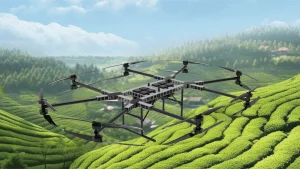
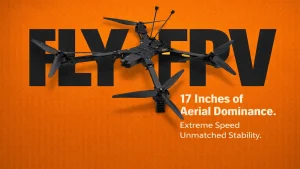
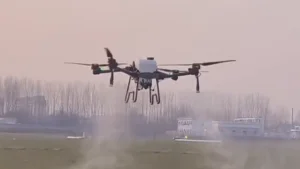
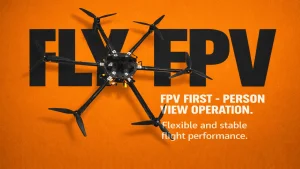
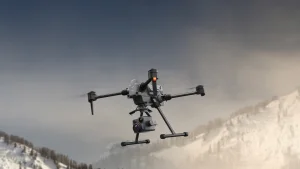
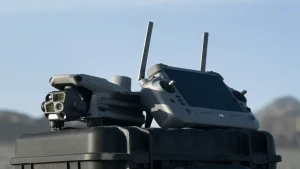
Industrial-tier unmanned systems configured for high-payload operational tasks, structural resilience, and long-range utility operations.
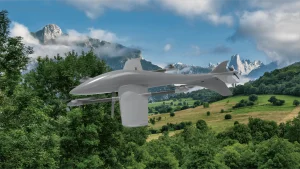
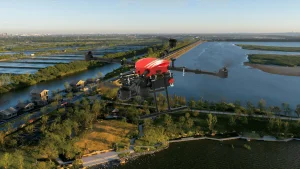
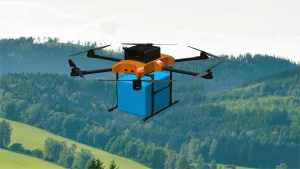
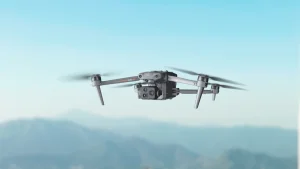
Unmanned Aerial Vehicles (UAVs) have transitioned from single-use inspection tools to critical component infrastructure. Across international commercial environments, the search intent of global procurement directors points directly toward a core need: repeatable operational pipelines, compliance verification, and deep supply chain integration. The demand for modern flight devices is no longer satisfied by off-the-shelf consumer products.
SKY NEXT, leveraging integrated technology stacks and raw material localization, acts as a primary factory partner. By standardizing component manufacturing, refining sensor integration (such as LiDAR and dual-spectrum sensors), and developing edge computing architectures, we offer organizations the capabilities required to sustain commercial low-altitude fleets. This approach shifts enterprise focus from raw hardware troubleshooting to cloud-integrated scheduling, remote operational awareness, and automated inspection tasks.

We turn drones from tools into infrastructure, enabling the global low‑altitude economy with engineering rigor and compliance.
UUUFLY builds repeatable, traceable, and compliant UAV systems through integrated innovation across hardware, algorithms, and data operations. We close the loop of Discover → Decide → Execute → Trace for power, agriculture, and smart‑city customers, delivering measurable aerial productivity at scale.
We focus on: dual‑spectrum defect detection (power inspection), multispectral sensing & variable spraying (precision agriculture), 0.05‑m 3D mapping (smart city), autonomous routes & fleet scheduling (scaled operations), and an end‑to‑end edge‑to‑cloud data pipeline (governance & compliance).
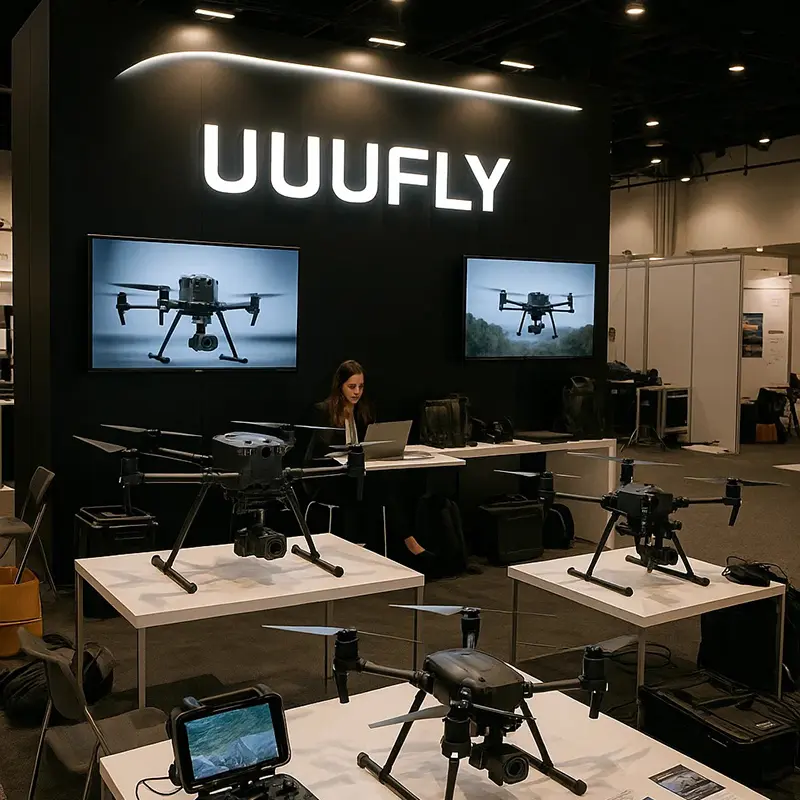
By operating our main production lines inside China's primary industrial drone cluster, SKY NEXT leverages extensive logistics and sourcing ecosystems. The integration of structural carbon-fiber processing, high-density cell assembly, and precision electronic components allows us to balance rapid production cycles with high performance.
How SKY NEXT targets specific market segments, turning aerial platforms into operational value.
With millimeter‑level positioning and encrypted video links, combined with dual‑spectrum defect detection and AI target recognition, defect discovery efficiency improves by about 40%. Autonomous patrols and emergency response remain reliable in complex environments. The fast‑charge system is compatible with mainstream fleets (80% in 30 minutes), and carbon‑fiber propellers with IP67 motors cover most models. In multiple grid pilots, defect detection reached 99.7%.
Multispectral payloads and AI analytics enable early diagnosis of pests and diseases (about 98% accuracy). Variable spraying reduces pesticide use by roughly 30%, while a 50Ah battery and corrosion‑resistant tank allow a single flight to cover 200+ mu (≈16 acres). At scale, farms typically see 20–30% lower operating costs.
Combining LiDAR with oblique photogrammetry delivers 0.05‑m 3D mapping, making modeling about 5× faster and reducing cost by 60%. With GDPR‑compliant encrypted transmission and 5G for real‑time cloud analytics, our data underpins urban planning and digital‑twin programs, boosting planning efficiency by around 300% in typical projects.
The platform provides autonomous routes, fleet scheduling, mission orchestration, and an edge‑to‑cloud pipeline. Open APIs and message buses integrate with enterprise systems to build a secure, observable low‑altitude network. We ensure data sovereignty with on-premises installation paths, protecting local operations databases.
Procuring commercial unmanned aircraft involves evaluating structural durability, regulatory compliance, and support systems. Enterprise buyers must assess more than just basic flight statistics.
SKY NEXT designs systems around these requirements by addressing key procurement concerns:
Operating industrial fleets requires strict adherence to local laws, aviation safety standards, and data protection rules. SKY NEXT implements a compliance-first approach, ensuring that our aircraft systems meet regional demands.
From GDPR compliance in European cities to localized encryption keys, our systems prevent unauthorized data access. Real-time video links utilize AES-256 military-grade encryption to secure critical inspection feeds against interception or signal tampering.
We work with regional service partners across Latin America (LATAM), the Middle East and North Africa (MENA), Central Asia, and Eastern Europe to provide local customer support, pilot training, and maintenance programs.
This localized network ensures that enterprise users have direct access to replacement parts, expert repair services, and updated firmware configurations. This minimizes operational downtime and ensures compliance with changing national airspace regulations.
Combining aerospace engineering, embedded systems, computer vision, and large‑scale operations.
Former industrial UAV product lead; drives product architecture, standardization, and ecosystem partnerships.
Computer vision & autonomy specialist focusing on sensor fusion, target detection, and mission decision systems.
Drives localization and partner-led delivery across the Middle East, Pakistan, and Russia.
Aerospace & electrical engineer focusing on payload integration, EMC/EMI, and reliability design.
Leads model training and mission orchestration to optimize detection accuracy and decision strategies.
Drives localization and partner‑led delivery across LATAM & MENA.
The industrial UAV sector is evolving rapidly. Key advancements are extending operational ranges, increasing flight times, and enabling real-time edge processing.
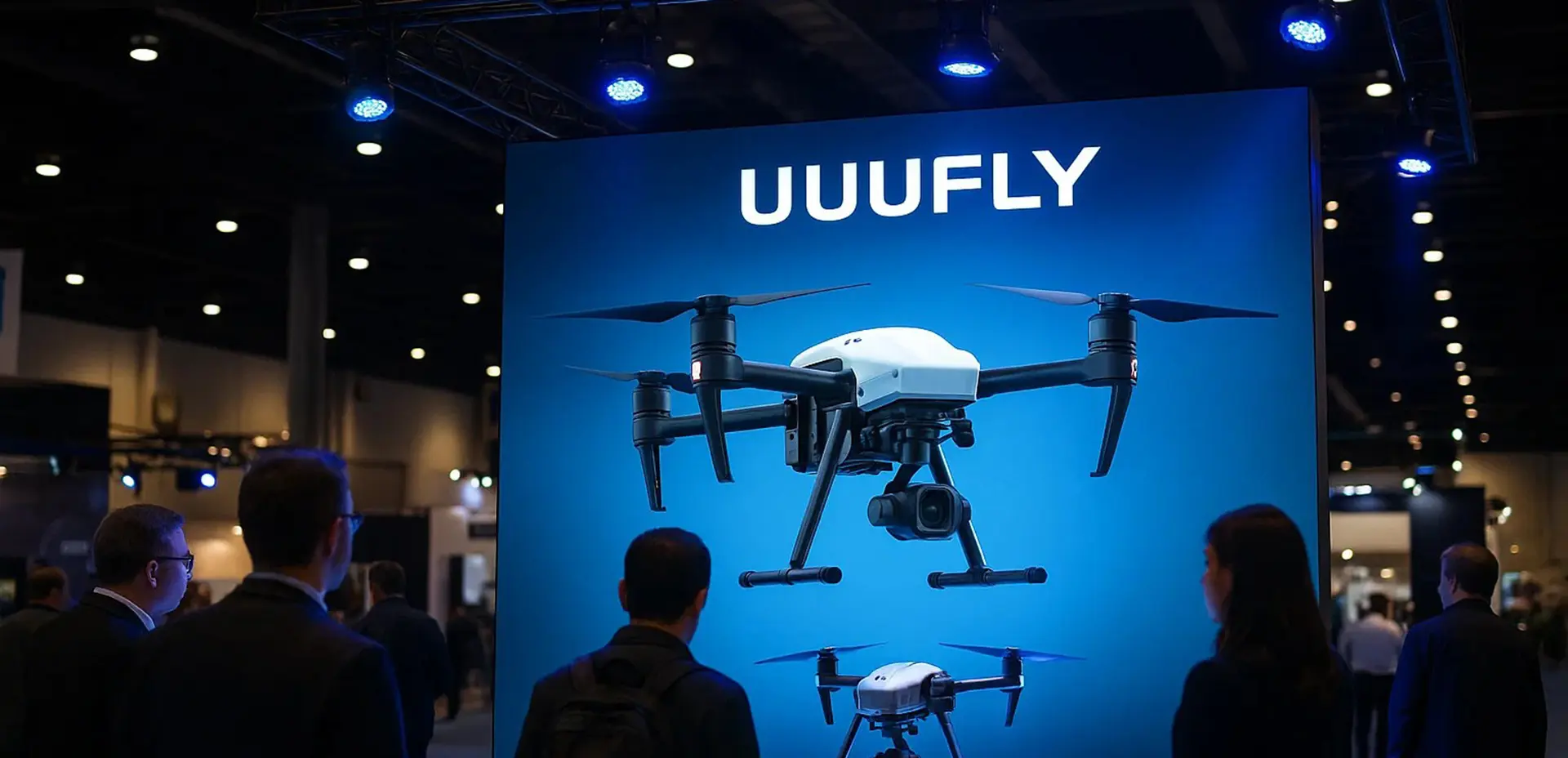
To become the core infrastructure provider for the global low‑altitude economy. We will keep integrating 5G, AI, and hydrogen energy to drive standardized, intelligent, and green aerial operations.

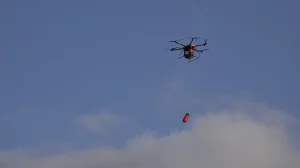
Our heavy-lift firefighting models and rapid-response frames assist public safety departments, rescue squads, and emergency services globally.
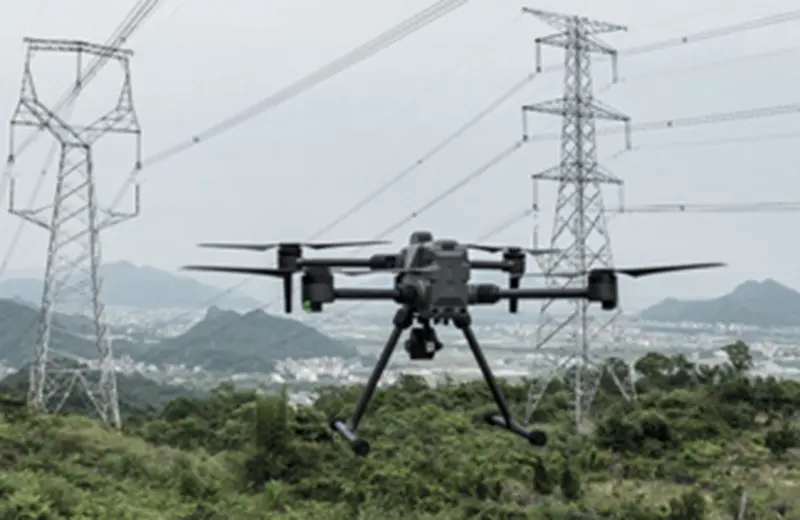
High-positioning RTK setups and dual-spectrum sensors allow regular, automated checkups on energy transmission lines and utility grids.

LIDAR and high-res cameras build 3D layouts, supporting civil engineers, building planners, and construction site managers.
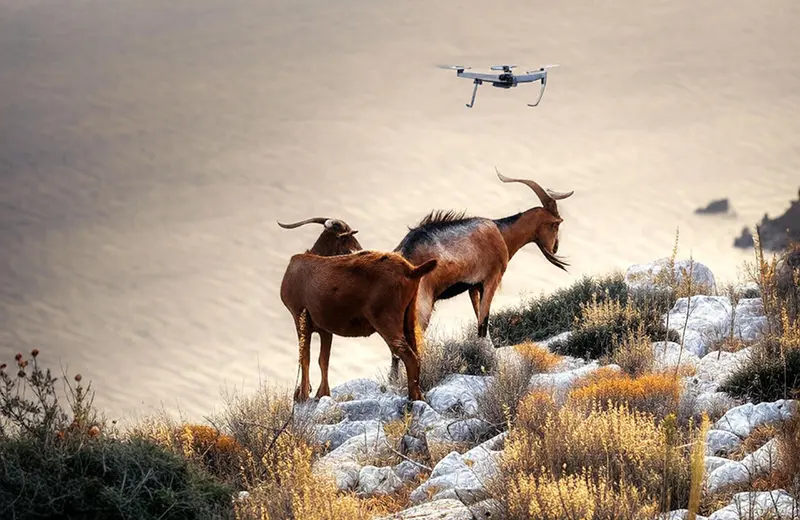
Thermal optics and silent propulsion systems assist rangers in monitoring animal movement and combating illegal poaching.
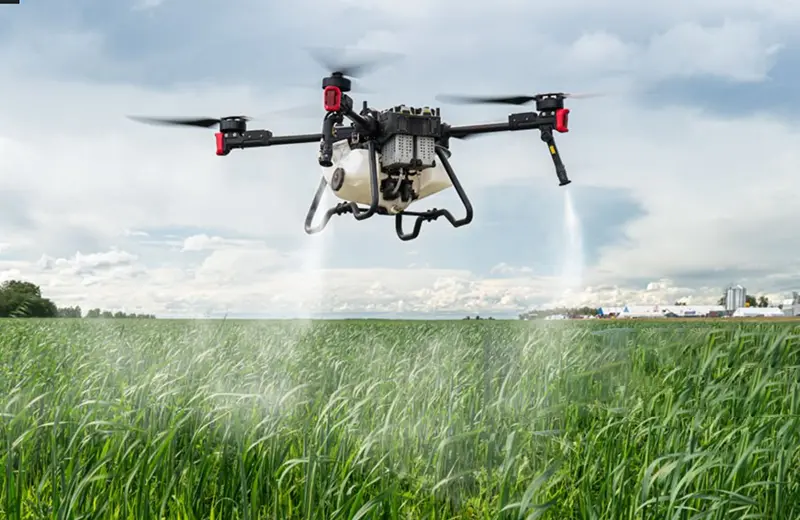
Multi-spectral sensors map field stress points, while our spray units handle precise chemical applications across varied terrains.
Addressing the common design, regulatory, and capability questions from global procurement operations.
We offer flexible deployment solutions. For customers under strict regional data laws, we configure local data pipelines where operational information is saved on-premises, rather than on public servers. System transmission links are encrypted with AES-256 protocols to prevent tampering.
Our multirotor platforms use standardized mounting interfaces and open SDK pipelines. This lets users integrate custom thermal, multispectral, LiDAR, or chemical sensors without altering the drone's core avionics or structural layout.
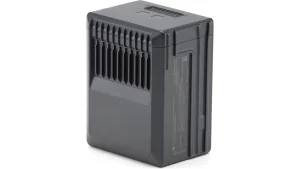
We integrate intelligent, high-density power cells—such as the DJI TB65 battery series—utilizing battery management systems (BMS). Our internal QC team tests battery systems through multiple temperature chambers, evaluating active discharge cycles to ensure performance consistency in hot climates and sub-zero conditions.
Standard frame setups are typically shipped within 15–30 days. Custom setups, including specialized sensors, custom software integration, or altered mechanical layouts, require an engineering review, with production timelines averaging 45 to 60 days depending on component requirements.
Specialized modular systems, high-performance battery options, flight controllers, and mission-tested UAV hardware.
 UUUFLY