
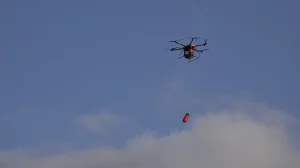
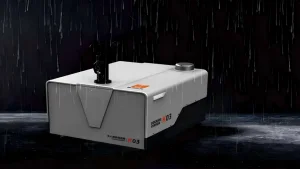
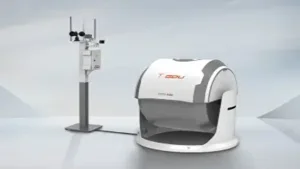
A B2B perspective on manufacturing metrics, high-precision payloads, autonomous drone charging infrastructure, and customized power solutions.
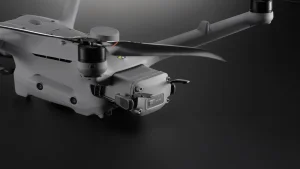
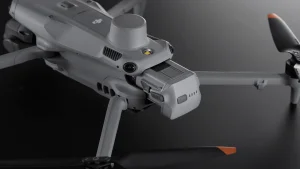
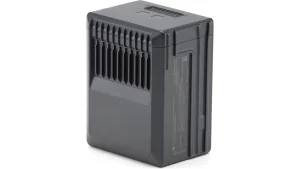
In the rapidly transforming landscape of the global low-altitude economy, commercial unmanned aerial vehicles (UAVs) have graduated from niche tools to critical industrial infrastructure. High-density, reliable accessories—such as custom-engineered batteries (Matrice 4D and Matrice 4 series, TB65, TB100, WB37) and automated dock systems—serve as the lifeblood of this transition. Companies worldwide require robust engineering, regulatory compliance, and predictable operations to scale their fleets. In industrial inspections, power utilities, and precision agriculture, aerial vehicles require optimal runtime, minimal downtime, and complete resilience against environmental hazards.
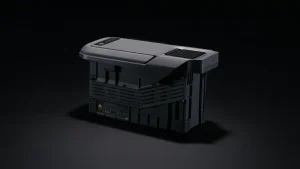
As DJI maintains a dominant share in enterprise UAV hardware, the demand for specialized, third-party industrial-grade accessory manufacturers has reached unprecedented levels. Modern energy grids, municipal survey teams, and agricultural giants cannot rely on consumer-grade configurations. Instead, they seek heavy-lift batteries with smart battery management systems (BMS) that protect against voltage sagging, overcharge, and sub-zero temperatures. Furthermore, autonomous docking stations, like the Custom K03 and the GUD K01 Dock Kit, enable complete fleet automation, removing human operators from hostile environments and delivering repeatable spatial data cycles.
China's dominance in UAV manufacturing goes beyond simple assembly line speed. It is an intricate web of raw material availability, precision cell chemistry processing, and advanced micro-electronics manufacturing. For custom smart flight batteries like the Matrice 4D series or the legacy TB100 batteries, Chinese factories leverage immediate access to grade-A lithium cobalt oxide (LiCoO2) and lithium iron phosphate (LiFePO4) cell materials. This localization reduces transport deterioration and optimizes cost-to-capacity metrics.
Moreover, the integration of smart electronics—specifically Battery Management Systems (BMS) with high-efficiency Microcontroller Units (MCUs)—allows for localized customization. If an overseas client requires specialized telemetry integration or unique high-altitude heating algorithms, Chinese manufacturers can design, prototype, and run electromagnetic compatibility (EMC/EMI) testing within a fraction of normal global lead times. This unmatched agility ensures that bulk shipments comply strictly with CE, FCC, and RoHS certifications before export.
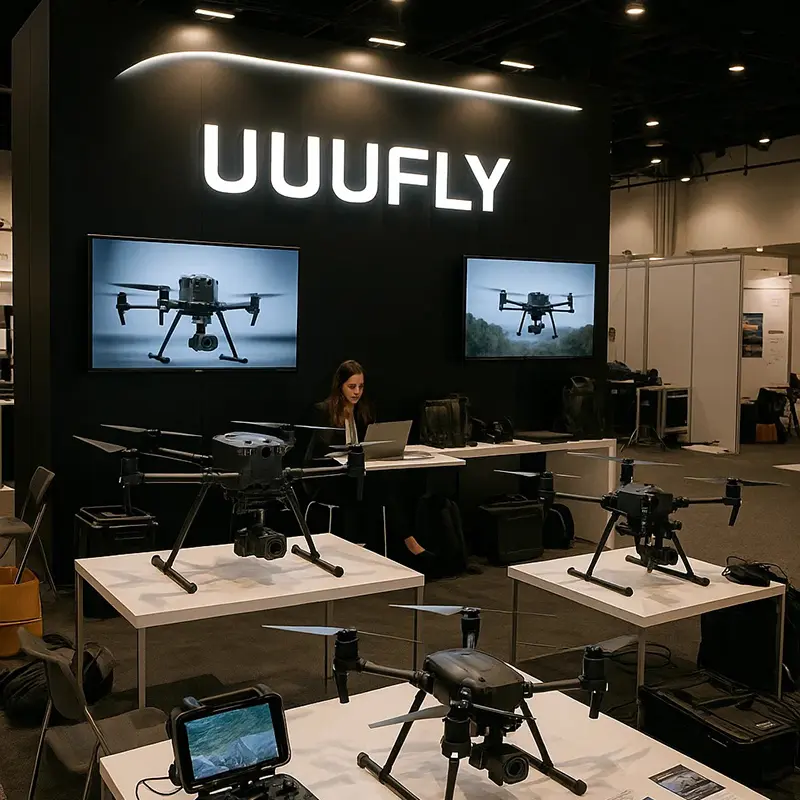
We turn drones from tools into infrastructure, enabling the global low-altitude economy with engineering rigor and compliance.
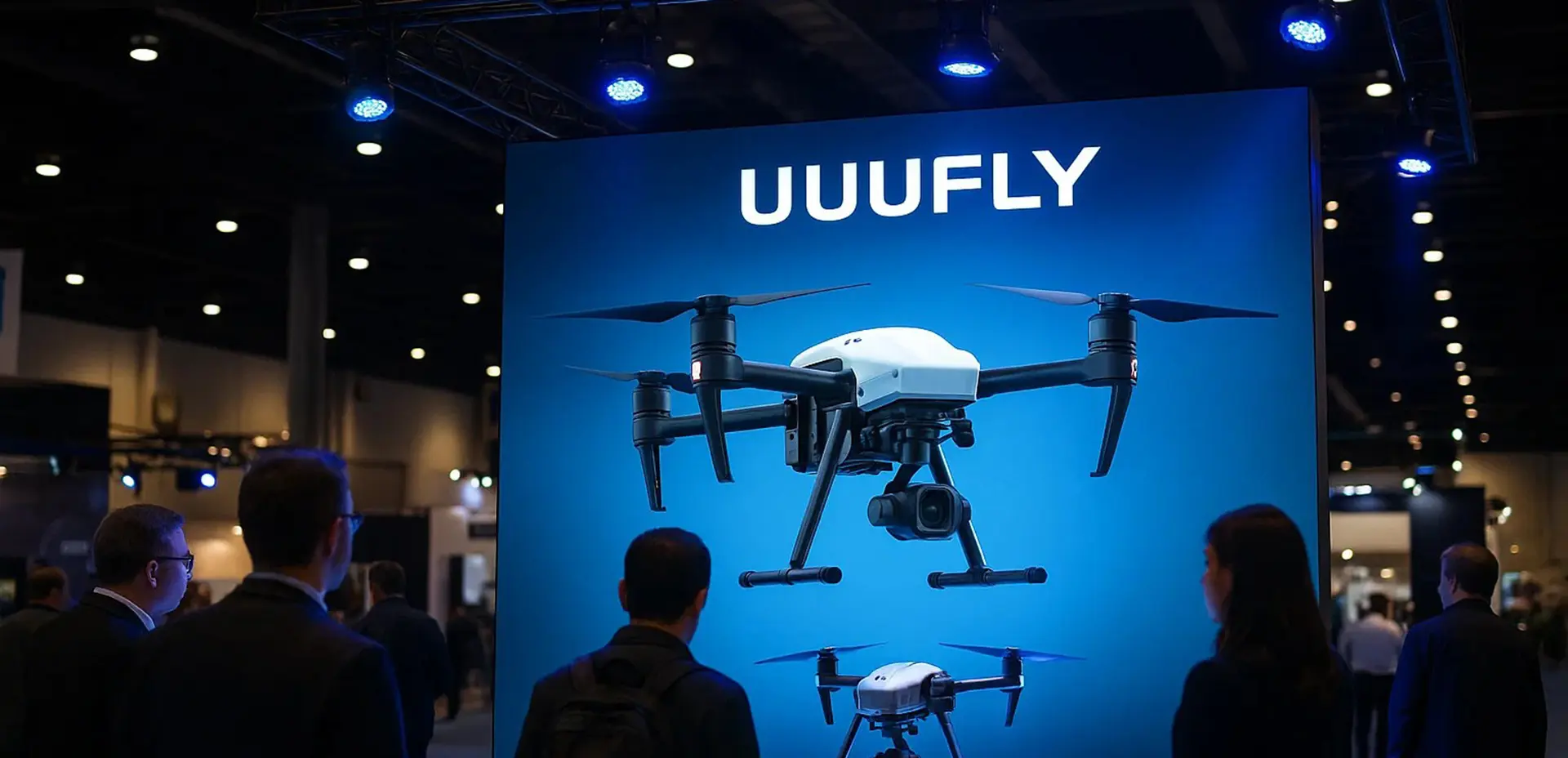
UUUFLY builds repeatable, traceable, and compliant UAV systems through integrated innovation across hardware, algorithms, and data operations. We close the loop of Discover → Decide → Execute → Trace for power, agriculture, and smart-city customers, delivering measurable aerial productivity at scale.
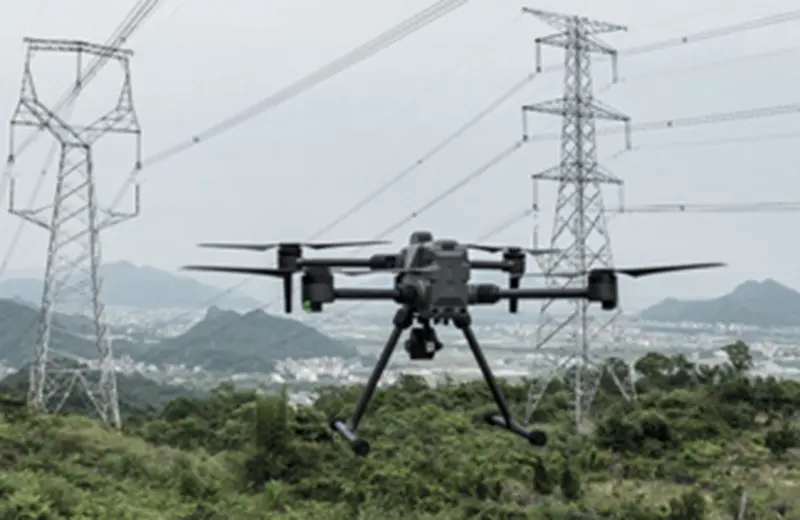
Real-time thermal and visible-light processing for structural defect discovery, optimized for utility grids and high-voltage substation monitoring.
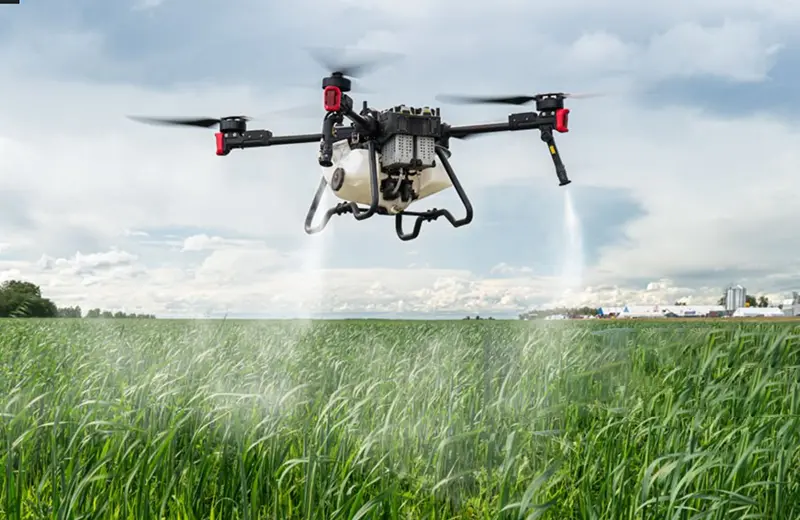
Advanced vegetation index computation and variable rate spraying algorithms to reduce pesticide consumption and improve crop yield.
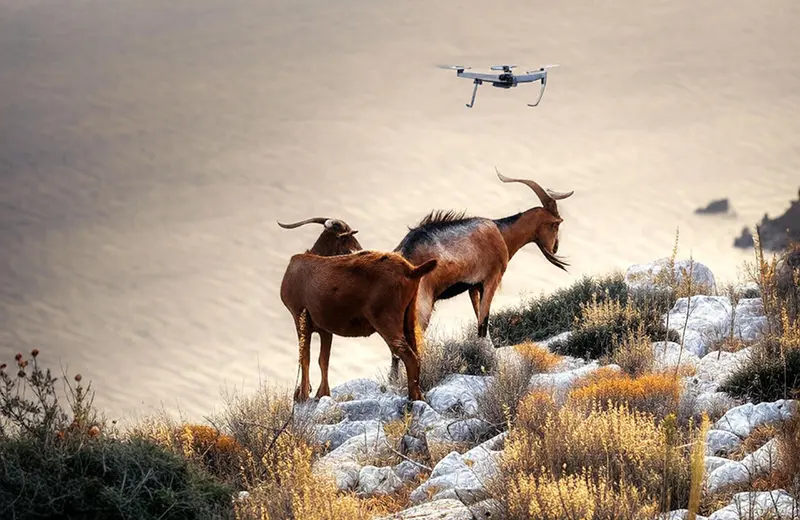
High-resolution LiDAR integration coupled with multi-angle oblique photogrammetry for highly accurate digital twins and municipal surveys.
Fully secure telemetry transfer with end-to-end data governance, compliant with local regional policies (GDPR and ISO 27001).
With millimeter-level positioning and encrypted video links, combined with dual-spectrum defect detection and AI target recognition, defect discovery efficiency improves by about 40%. Autonomous patrols and emergency response remain reliable in complex environments. The fast-charge system is compatible with mainstream fleets (80% in 30 minutes), and carbon-fiber propellers with IP67 motors cover most models. In multiple grid pilots, defect detection reached 99.7%.
Multispectral payloads and AI analytics enable early diagnosis of pests and diseases (about 98% accuracy). Variable spraying reduces pesticide use by roughly 30%, while a 50Ah battery and corrosion-resistant tank allow a single flight to cover 200+ mu (≈16 acres). At scale, farms typically see 20–30% lower operating costs.
Combining LiDAR with oblique photogrammetry delivers 0.05-m 3D mapping, making modeling about 5× faster and reducing cost by 60%. With GDPR-compliant encrypted transmission and 5G for real-time cloud analytics, our data underpins urban planning and digital-twin programs, boosting planning efficiency by around 300% in typical projects.
The platform provides autonomous routes, fleet scheduling, mission orchestration and an edge-to-cloud pipeline. Open APIs and message buses integrate seamlessly with enterprise systems to build a secure, observable low-altitude network.

We combine aerospace engineering, embedded systems, computer vision, and large-scale operations. Together with partners, we build an open, dependable, and integrable platform for the low-altitude economy.
To become the core infrastructure provider for the global low-altitude economy. We will keep integrating 5G, AI, and hydrogen energy to drive standardized, intelligent, and green aerial operations.


Clear, direct specifications and operational details regarding custom DJI-compatible batteries, autonomous stations, and purchasing protocols.
 UUUFLY