How to Choose Enterprise Grade Drones?

Time:2026-09-29 Author:Charlotte
0%

Choosing Enterprise-Grade Drones requires more than comparing camera resolution or flight time. These systems support inspections, surveying, emergency planning, construction monitoring, and other demanding operations. A suitable platform must perform reliably when wind rises, light changes, or a job site becomes difficult to access. It must also fit the organization’s trained personnel, operating procedures, and approved airspace requirements.

Real-world experience often reveals weaknesses that product brochures omit. A drone may promise forty minutes of flight time, yet heavy sensors, cold temperatures, and strong winds can reduce that figure. Battery replacement, charging logistics, spare parts, and software updates also affect daily productivity. Security deserves equal attention. Buyers should examine data storage, access controls, encryption, and integration with existing systems. A clear maintenance plan matters, too.

Small details can decide the outcome.

This guide presents a practical way to evaluate Enterprise-Grade Drones through performance, safety, compliance, support, and total ownership cost. It considers payload capacity, obstacle avoidance, navigation accuracy, weather resistance, and fleet management tools. Independent testing and documented customer experience should support every major claim. Still, no platform is perfect. Even an advanced drone may require additional training, accessories, or workflow changes. That limitation should be acknowledged, not hidden. The right choice is the system that consistently solves a defined business problem, protects operational data, and remains dependable after the initial purchase.
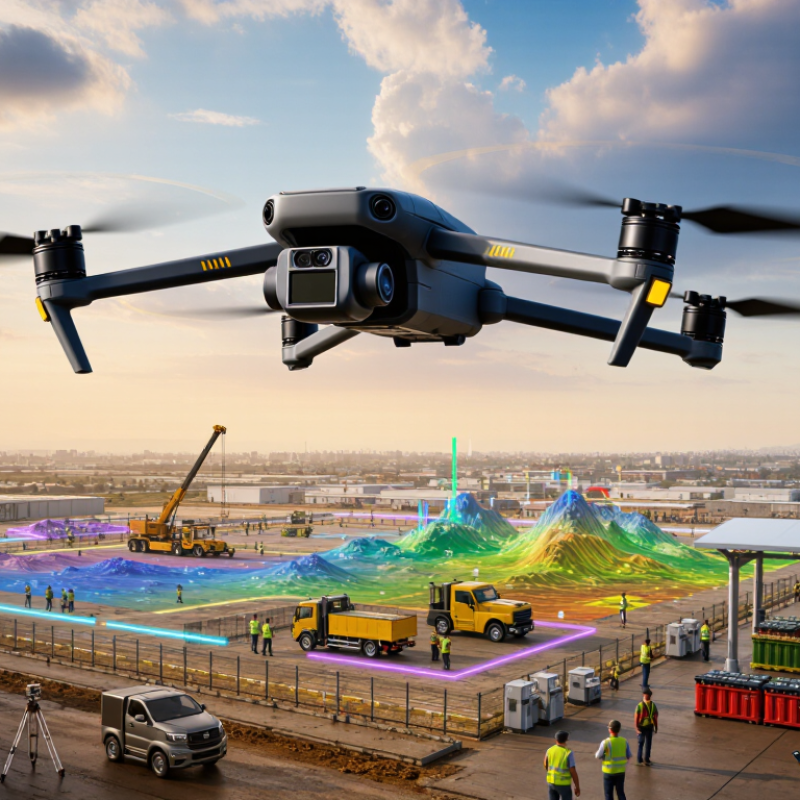
How to Choose Enterprise Grade Drones?

Define Enterprise Drone Requirements and Use Cases

Define the job before comparing aircraft. A utility team mapping power lines needs stable imagery, repeatable routes, and clear defect records. A construction crew may care more about rapid site models and reliable positioning. List the site area, required detail, flight time, payload, weather, and data format. Also map the full workflow: who flies, reviews, stores, and acts on each result. PwC’s 2016 Clarity from Above report estimated $127.3 billion in potential value across global infrastructure from drone-powered solutions. That historical estimate shows the scale of opportunity, not a guaranteed return for any project.

Translate each need into a testable requirement. For example, specify how much of a 20-hectare site must be captured per shift, or what image detail inspectors need to identify surface cracks. Check battery swaps, wind tolerance, positioning accuracy, sensor compatibility, and whether outputs fit existing mapping tools. Plan for launch space, trained operators, maintenance, and secure data handling. A polished specification can still miss a muddy access track or a weak handoff between field staff and analysts. That gap matters.

Tips: Run a short pilot over a representative site. Record usable coverage, setup time, and review effort—not just flight time. Ask operators what slowed them down. Their answers may expose requirements the planning team overlooked.

Evaluate Flight Performance, Payload Capacity, and Endurance

Enterprise drone selection should start with the work the aircraft must perform, not its advertised top speed. Review flight stability, climb rate, braking behavior, and control responsiveness under realistic conditions. A drone may handle a calm test field well but struggle when gusts push it off a planned line. Numbers can mislead. Arrange a supervised field trial using representative routes, takeoff surfaces, and weather conditions.

Payload capacity means more than the maximum weight listed on a specification sheet. Include the camera or sensor, mounting hardware, cables, and any protective housing in your estimate. Then check how the payload affects balance, handling, and image quality. A heavier load can shorten flight time and make turns less predictable. Ask operators to inspect the aircraft’s center of gravity and verify that the installed equipment remains secure during normal maneuvers.

Endurance should be measured with the actual payload and mission profile, not an empty aircraft hovering indoors. Record flight time across repeated runs, including takeoff, route changes, and landing. Leave a practical reserve for delays, wind, or a missed landing approach. Compare results across different temperatures, since battery performance can vary. Keep the test conditions in a flight log; otherwise, impressive figures are hard to verify. A little uncertainty is normal, but undocumented assumptions should not guide a purchase.

Assess Safety, Reliability, and Regulatory Compliance

An enterprise-grade drone earns trust through predictable behavior, not impressive specifications alone. Review its safety controls under realistic workloads. Check obstacle sensing, return-to-home behavior, emergency procedures, and how clearly the operator receives warnings. Test these functions with a trained crew in a controlled area. A brochure cannot reveal whether alerts are easy to understand in wind, glare, or a noisy field.

Reliability depends on the aircraft and the support system around it. Ask for documented maintenance intervals, component service life, battery handling guidance, and fault-reporting procedures. Examine flight logs after test missions, including aborted flights and sensor errors. Small inconsistencies matter. A drone that performs well on calm days may need different operating limits in gusts or cold weather. No checklist catches everything; update procedures when field experience exposes gaps.

Tips: Confirm which aviation rules apply to your location and mission before purchase. Keep pilot qualifications, operating approvals, maintenance records, and risk assessments current. Run a short acceptance test with the payload you actually plan to use. Record what failed, even if the result feels inconvenient. That record is useful.

How to Choose Enterprise-Grade Drones?

Assess safety, reliability, and regulatory compliance before selecting a drone for enterprise operations.

Maximum Operating Altitude in Selected Regulatory Categories

These limits are regulatory ceilings, not recommended flight altitudes or guarantees of approval. Actual operations may require additional permissions and must follow local rules. Evaluate reliability separately using documented flight hours, maintenance records, failure rates, and support arrangements.

Sources: U.S. 14 CFR §107.51; EU Regulation 2019/947; Canadian Aviation Regulations §901.25; UK Civil Aviation Authority drone guidance. Feet are converted to metres and rounded to the nearest metre.

Compare Data, Automation, and Fleet Management Capabilities

Choosing enterprise-grade drones means evaluating the work behind each flight, not just camera specifications. Data quality depends on consistent image capture, accurate timestamps, and clear sensor records. Ask whether teams can export original files, inspect location metadata, and connect results to existing asset systems. Small gaps matter. A missing timestamp can complicate a maintenance decision weeks later.

Automation should reduce repetitive steps without hiding important decisions. Look for repeatable flight plans, configurable safety checks, and alerts when weather or battery conditions change. Test a sample mission with realistic obstacles and handoffs. Does the system pause clearly, or leave operators guessing? Automation is useful, but not magic. Operators still need training and a way to review exceptions.

Fleet management becomes critical as aircraft and crews multiply. A strong platform should show battery health, firmware status, maintenance history, pilot assignments, and mission logs in one place. Check whether managers can compare utilization across sites and spot aircraft waiting for repairs. Then verify role permissions and data retention settings. These details can be tedious. They also prevent confusion during shift changes. Dashboards may look polished while workflows remain awkward, so let field staff test them before purchase.

Review Security, Support, Scalability, and Total Cost of Ownership

Enterprise-grade drones should be judged beyond flight range and camera resolution. Security begins with encrypted control links, signed firmware, role-based access, and detailed flight logs. Operators should know who changed a mission, when, and from which device. Data storage also needs clear retention rules and controlled access. A practical test is simple: attempt a simulated account failure before deployment. Weak recovery procedures often reveal bigger risks.

Support quality becomes visible during bad weather, not a sales demonstration. Ask whether technical help is available during operating hours, how quickly incidents are escalated, and whether replacement parts remain available for several years. Training should include maintenance checks, battery handling, software updates, and emergency landing procedures. We once underestimated the value of spare batteries. The aircraft worked, but field productivity dropped sharply after repeated short missions.

Scalability requires more than purchasing additional aircraft. The platform should manage multiple pilots, permissions, maintenance records, and data streams without creating manual spreadsheets. It should also connect with existing mapping, inspection, or asset-management systems through documented interfaces. Calculate total cost of ownership across five years. Include aircraft, sensors, batteries, charging equipment, insurance, training, storage, connectivity, repairs, and staff time. The cheapest quotation can become expensive after recurring software fees and unavailable components. Leave room for uncertain costs. Forecasts are useful, but field conditions rarely follow them perfectly.

FAQS

What should guide enterprise drone selection?

Start with the mission, not the advertised top speed. Test stability, climbing, braking, and control response on representative routes. Gusts matter.

How can teams assess flight performance fairly?

Arrange a supervised field trial using realistic takeoff surfaces and weather. A calm test field may hide problems in wind.

What counts toward payload capacity?

Include the camera or sensor, mounts, cables, and protective housing. Check balance and secure fittings. Heavy loads can shorten flight time.

How should endurance be measured?

Test with the actual payload and mission profile. Record takeoff, route changes, and landing across repeated flights. Leave a practical reserve.

Why keep a flight test log?

Record conditions such as temperature, wind, and equipment setup. Battery performance can vary. Numbers can mislead.

What security features should operators review?

Check encrypted control links, signed firmware, role-based access, and detailed flight logs. Test account recovery before deployment. Weak recovery deserves attention.

What should drone support and training include?

Ask about help during operating hours, incident escalation, and replacement parts. Training should cover maintenance, battery handling, updates, and emergency landings. Spare batteries matter.

What belongs in a five-year ownership estimate?

Include aircraft, sensors, batteries, charging gear, insurance, training, storage, connectivity, repairs, and staff time. Add recurring software fees. Forecasts are imperfect.

What makes a drone platform scalable?

It should manage pilots, permissions, maintenance records, and data streams without relying on manual spreadsheets. Documented interfaces help connect existing systems. Check fit carefully.

Conclusion

Choosing Enterprise-Grade Drones starts with clearly defining the work they need to perform, such as surveying, inspection, or monitoring, and matching the aircraft to those operational requirements. Compare flight performance, payload capacity, and endurance to ensure the drone can carry the necessary equipment and complete missions efficiently. Safety features, reliability, and compliance with applicable regulations are also essential considerations for dependable operations.

Beyond the aircraft itself, assess the quality of its data tools, automation options, and fleet management capabilities. These features can help teams plan missions, organize results, and coordinate multiple devices. Review available training, technical support, and opportunities to scale as needs evolve. Finally, compare the total cost of ownership, including equipment, maintenance, training, and ongoing operations, rather than focusing on the initial purchase price alone.


Charlotte

Charlotte

Charlotte is a seasoned marketing professional with a deep understanding of the company's portfolio and a passion for elevating its presence in the market. With a keen eye for detail and a commitment to excellence, she ensures that our professional blog is regularly updated with insightful articles......