Enterprise-grade aerial solutions configured for Korean high-density environments, search & rescue operations, and infrastructure mapping.
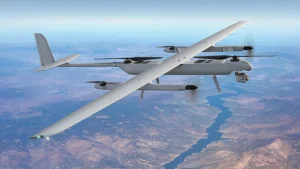
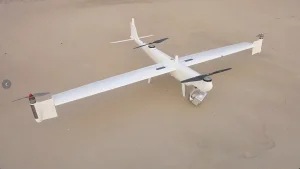
South Korea is rapidly positioning itself as a central hub for the global low-altitude economy. Directed by the Ministry of Land, Infrastructure and Transport (MOLIT), Korea's ambitious "K-Drone" initiatives demand robust, highly reliable, and regulatory-compliant unmanned aerial vehicle (UAV) systems. The market is shifting from experimental setups to massive industrial implementation in smart city modeling, structural power grid health tracking, and maritime safety surveillance.
Navigating the South Korean market presents unique operational and technological hurdles. Demands for Korea Certification (KC) for all radio elements, compliance with strict geofencing zones due to national security regulations, and full alignment with Korea's Personal Information Protection Act (PIPA) mean that drone hardware cannot be simply imported off-the-shelf. It requires deep customization, secure encrypted communications, and localized integration.
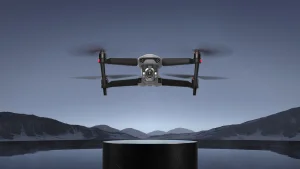
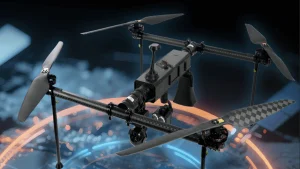
UUUFLY addresses these strict criteria by acting as a direct bridge between world-class manufacturing bases and Korean enterprise buyers. By leveraging advanced platforms, including Autel's robust EVO and Dragonfish families, alongside high-performance agricultural systems, we supply customized, integrated drone ecosystems certified for domestic deployment.
We guarantee full KC Certification compatibility across all wireless transmission boards, remote controllers, and RTK modules. Rest assured, your fleet complies with the Seoul Regional Aviation Administration guidelines.
Proximity to the Shenzhen/Guangzhou hardware core allows us to iterate customized payloads, thermal setups, and optical zoom integrations 60% faster than local distributors, ensuring a significant cost advantage.
To meet high-security Korean corporate standards, we implement AES-256 data links, private on-premise cloud servers, and proprietary software modifications to block external unauthorized tracking.
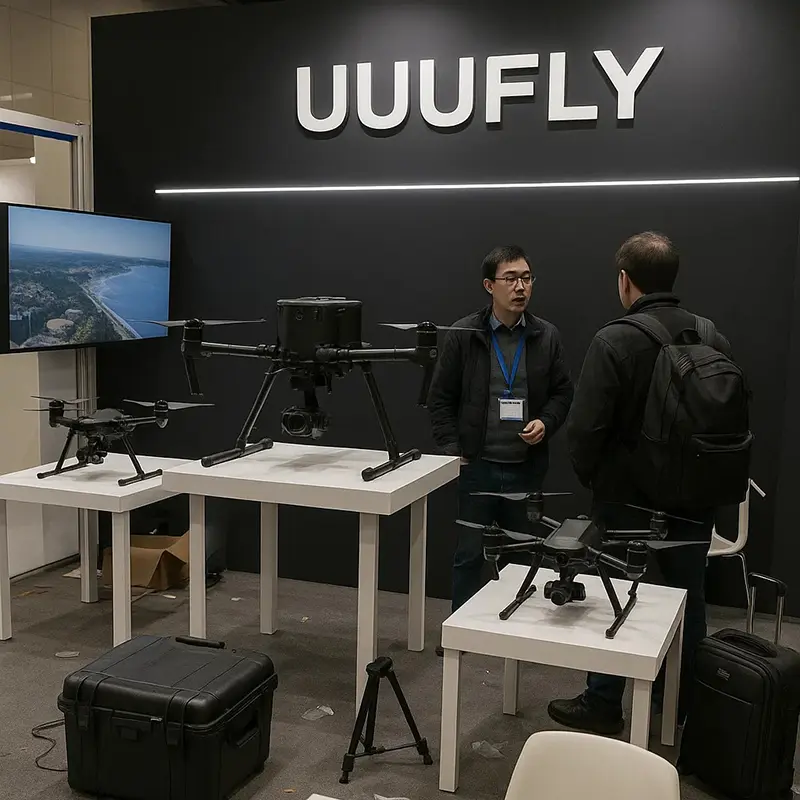
We turn drones from tools into infrastructure, enabling the global low‑altitude economy with engineering rigor and compliance.
UUUFLY builds repeatable, traceable and compliant UAV systems through integrated innovation across hardware, algorithms and data operations. We close the loop of Discover → Decide → Execute → Trace for power, agriculture and smart‑city customers, delivering measurable aerial productivity at scale.
Our infrastructure suite addresses critical operational pain points through high-level technologies:
Providing custom software layers and payload optimizations tailored to the unique regulatory and operational needs of South Korea.
With millimeter‑level positioning and encrypted video links, combined with dual‑spectrum defect detection and AI target recognition, defect discovery efficiency improves by about 40%. Autonomous patrols and emergency response remain reliable in complex environments. The fast‑charge system is compatible with mainstream fleets (80% in 30 minutes), and carbon‑fiber propellers with IP67 motors cover most models. In multiple grid pilots, defect detection reached 99.7%.
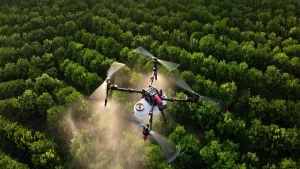
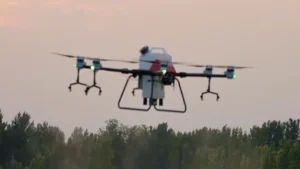
Multispectral payloads and AI analytics enable early diagnosis of pests and diseases (about 98% accuracy). Variable spraying reduces pesticide use by roughly 30%, while a 50Ah battery and corrosion‑resistant tank allow a single flight to cover 200+ mu (≈16 acres). At scale, farms typically see 20–30% lower operating costs.
Combining LiDAR with oblique photogrammetry delivers 0.05‑m 3D mapping, making modeling about 5× faster and reducing cost by 60%. With GDPR‑compliant encrypted transmission and 5G for real‑time cloud analytics, our data underpins urban planning and digital‑twin programs, boosting planning efficiency by around 300% in typical projects.
The platform provides autonomous routes, fleet scheduling, mission orchestration and an edge‑to‑cloud pipeline. Open APIs and message buses integrate seamlessly with enterprise systems to build a secure, observable low‑altitude network.
Procuring unmanned aerial platforms for industrial use involves strict due diligence. UUUFLY is engineered to meet the high standards of global enterprise and municipal buyers:
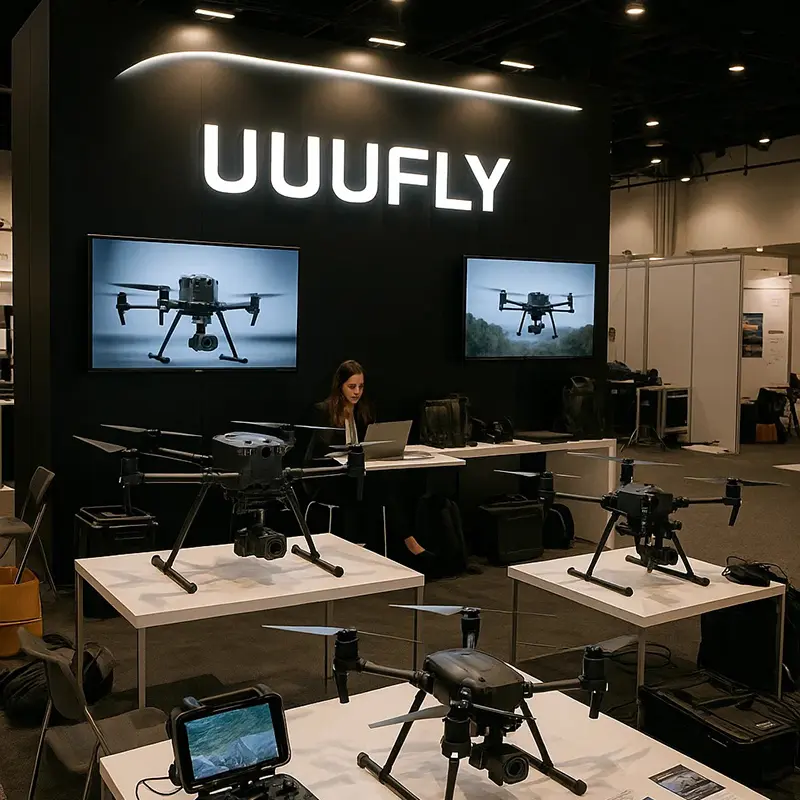
Combining aerospace engineering, computer vision, and large-scale operations to deliver certified low-altitude hardware platforms.
Former industrial UAV product lead; drives product architecture, standardization and ecosystem partnerships across mainland Asia and international target nodes.
Computer vision & autonomy specialist focusing on sensor fusion, target detection and mission decision systems for industrial payloads.
Drives localization, regulatory paperwork, and partner-led delivery across the Middle East, Pakistan, and Korea.
Aerospace & electrical engineer focusing on payload integration, EMC/EMI and reliability design under harsh environmental configurations.
Leads model training, automated asset labeling, and mission orchestration algorithms to optimize edge processing speeds.
Drives partner networks, trade show alignments, and localized marketing efforts for industrial UAV applications.
How our customized hardware configurations solve real-world problems under the strict operational landscape of Korea.
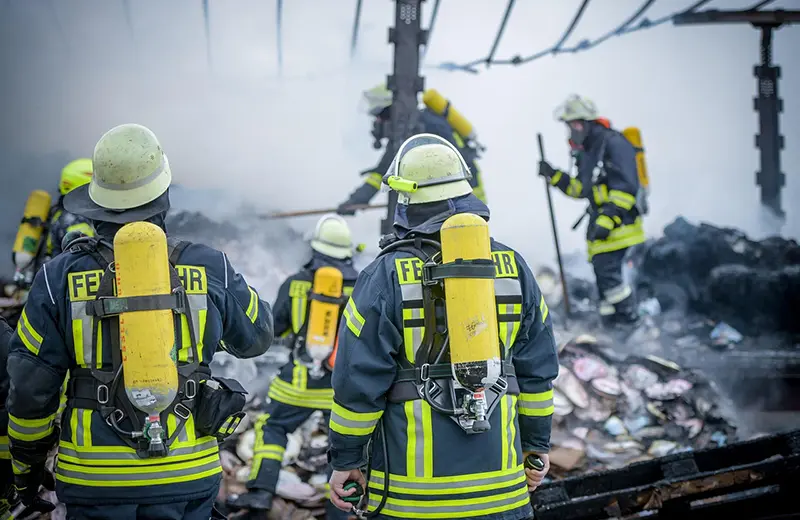
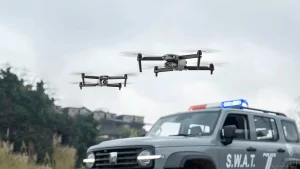
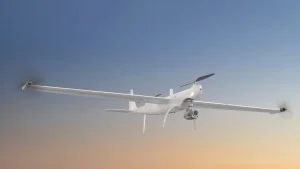
Deploying heavy eVTOL and thermal multirotors in Bukhansan National Park and mountainous areas of Gangwon Province. Our payloads pinpoint lost hikers using AI-driven thermal detection and coordinate with local fire departments via encrypted communications.
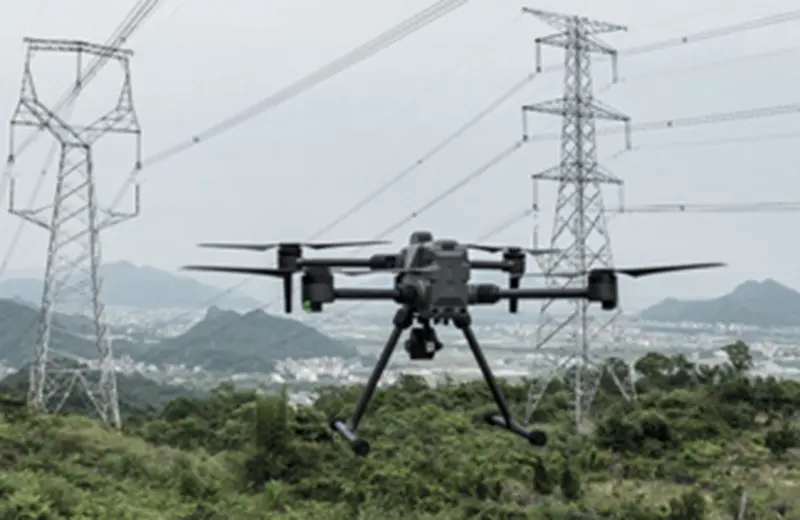
Assisting KEPCO inspectors with automated thermal and optical zoom flights along high-voltage lines. Our software mitigates electromagnetic interference, ensuring stable flights in heavy industrial corridors near Incheon and Busan.

Deploying LiDAR payloads for major constructors in the Gyeonggi Metropolitan Area. Providing high-density point clouds with 5cm accuracy to verify digital-twin models, reducing visual inspection overhead by 60%.
As South Korea scales its Smart City frameworks, our long-term trajectory aligns directly with green energy initiatives and next-generation telecom. We are currently piloting integrations with 5G networks (SKT, KT, LGU+) to achieve true Beyond Visual Line of Sight (BVLOS) operations, using local towers for telemetry fallback.
Furthermore, we are testing hydrogen fuel-cell variants of our modular drone series. By partnering with eco-friendly power providers, we aim to extend single flight times up to 180 minutes, supporting extended maritime patrols along South Korea's complex shorelines.
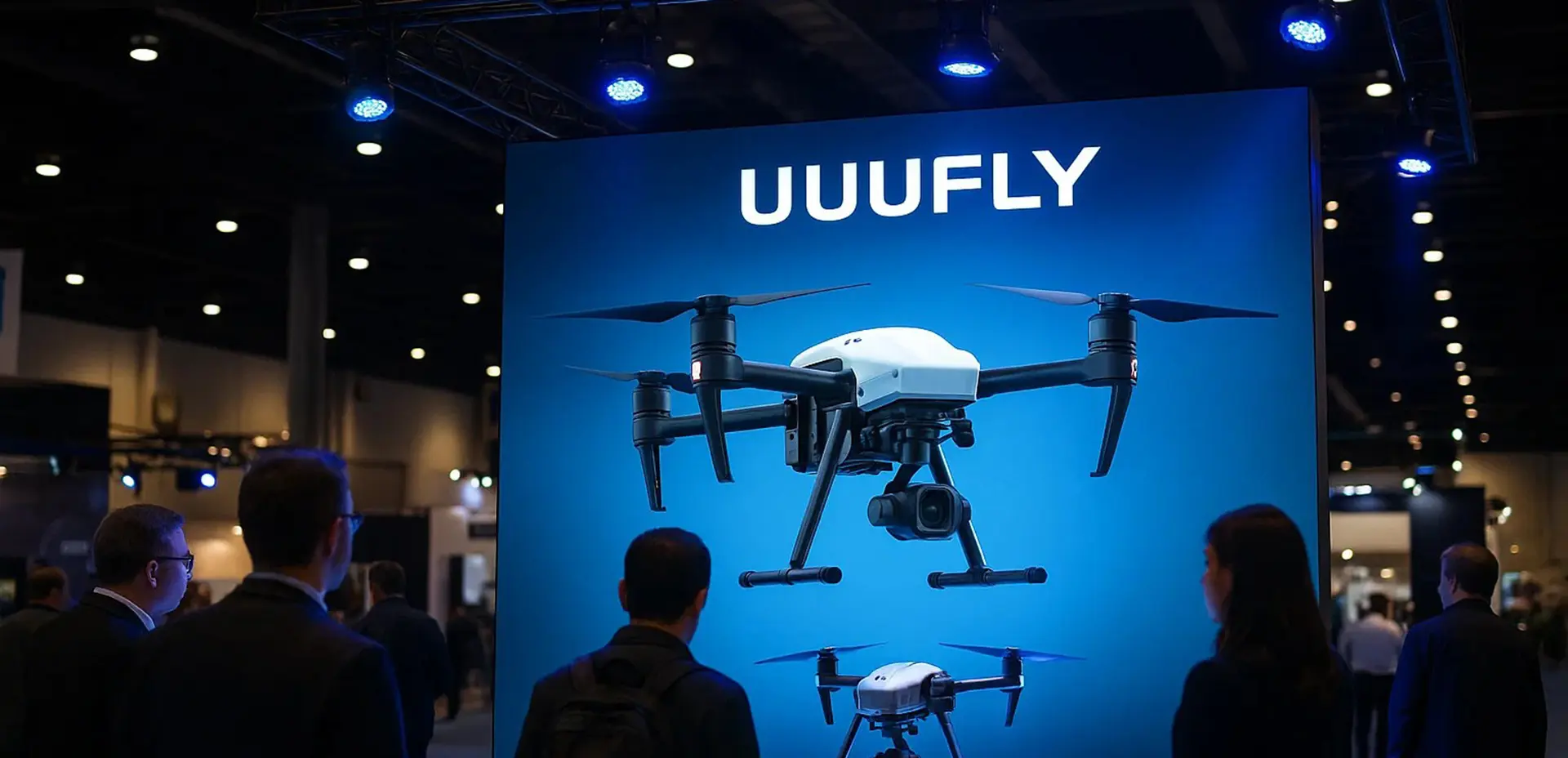
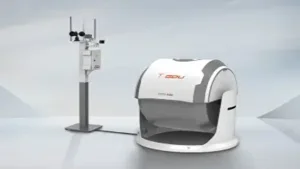
Explore our complete catalog of tactical UAVs, smart batteries, agricultural sprayers, and automatic charging docking stations.
Key technical answers regarding imports, certifications, operational security, and support protocols for Korean enterprises.
 UUUFLY