Direct manufacturer offerings featuring enterprise-grade hardware, high reliability, and integrated intelligent flight systems tailored for global crop protection, transport, and monitoring.
Agricultural unmanned aerial vehicles (UAVs) have evolved from novelty devices to essential agricultural infrastructure. Faced with rising labor costs, regulatory constraints on chemical drift, and shifting weather patterns, modern farmers and agricultural enterprises are leveraging UAVs to secure crop yields and optimize operational workflows.
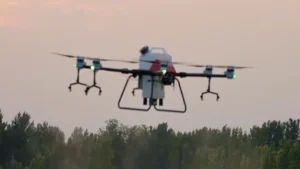
Globally, the integration of heavy-lift agricultural spraying drones and multispectral mapping units has enabled systemic crop care at scale. Operating at lower altitudes and higher precision than traditional crop dusters, UAVs offer a highly targeted approach that significantly minimizes soil compaction and chemical waste.
From broadacre grain farming in North America to steep terraced vineyards in Europe, the demand for reliable, field-tested unmanned aircraft is at an all-time high. Global distributors, state-backed agricultural extension services, and crop management agencies are looking to secure direct factory supplies that meet rigorous local compliance and operational benchmarks.
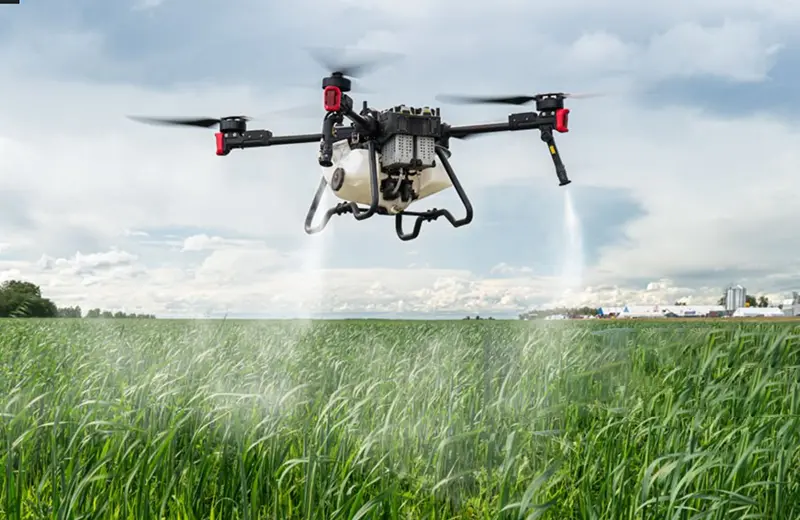
UAV systems perform uniquely depending on geography, topography, and crop geometry. Below are the primary localized applications where UUUFLY agricultural solutions excel.
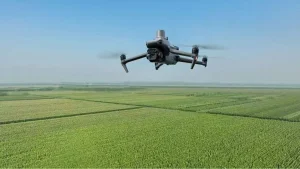
In large-scale wheat, corn, and soy cultivation across regions like the Midwestern United States, Brazil, and Australia, UAVs are deployed in multi-aircraft fleets. Swarm operations permit a single operator to command up to three high-capacity drones simultaneously. By coordinating automated flight paths mapped via RTK positioning, these fleets cover hundreds of hectares daily, distributing inputs with millimeter-level accuracy and minimal overlap.
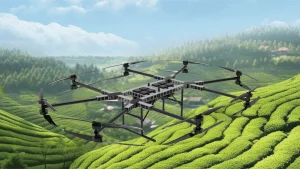
Traditional tractor-mounted sprayers struggle on steep-sloping fruit orchards in Southern Europe and Southeast Asia. UUUFLY drones use millimeter-wave radar arrays and oblique LiDAR-derived terrain maps to perform precise terrain-following maneuvers. By maintaining a constant altitude over the tree line, they generate a downward-directed slipstream that turns leaves and deposits active substances onto the undersides, where pests typically nest.
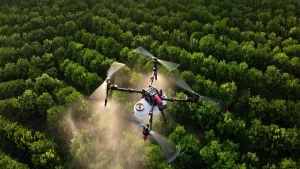
Integrating multispectral imagery with variable-rate spraying creates an intelligent operational loop. Drones mapped with multispectral cameras capture NDVI (Normalized Difference Vegetation Index) data. Our cloud analysis engines generate localized prescription maps. Heavy-lift spraying drones then apply inputs only to zones displaying nutrient stress or pest infestations, reducing pesticide consumption by roughly 30%.
How hardware innovation and software intelligence are shaping the next generation of precision flight operations.
Traditional pressure nozzles suffer from clogging and uneven droplet sizes. Our product trajectory focuses on high-speed dual centrifugal atomizers. By electronically adjusting the cup's rotation speed, operators can vary droplet sizes from 50 to 500 microns in real-time, matching the drift mitigation standards of different jurisdictions.
Current runtime limitations are the bottleneck of agricultural aviation. We are moving toward solid-state chemistry structures, yielding an energy density increase of up to 40%. Coupled with our quick-charge ground systems (80% in 30 minutes), this transition minimizes ground delays and maximizes operational windows.
Future iterations will feature real-time edge processing for obstacle avoidance and object classification. By running lightweight neural networks locally on the flight computer, the drone can recognize utility lines, wildlife, and changing wind patterns, dynamically recalculating safe routes without cloud latency.

Procuring agricultural drones requires a partner with access to an agile supply chain. China's industrial drone manufacturing sector benefits from unparalleled geographical clustering of components, design houses, and testing facilities.
This allows UUUFLY to source high-grade carbon fiber for airframes, heavy-duty brushless motors, specialized spray controllers, and high-discharge batteries within a single logistical corridor. The proximity of component manufacturers translates to shorter production cycles, rapid prototyping, and cost efficiencies that are passed directly to our customers.
Furthermore, this supply chain synergy guarantees a reliable flow of spare parts (rotors, landing gears, pumps, and ESCs), shielding international distributors and enterprise fleet operators from long-term project delays and equipment downtime.
Navigating airspace regulations and data storage protocols is essential for enterprise drone programs.
All UUUFLY hardware undergoes stress-testing for electromagnetics, vibration tolerance, and temperature resilience. Our products comply with CE, FCC, and RoHS standards, helping local operators secure flight permits and commercial operator exemptions from domestic civil aviation authorities.
Our links use AES-256 encryption to prevent unauthorized command interception. To assist regulated agricultural cooperatives and governmental agencies, we offer data sovereignty options, including on-premise cloud infrastructure deployments and localized server routing.
We provide 24/7 multilingual customer success across energy, agriculture, public safety, and urban programs. From troubleshooting hardware in the field to configuring fleet dispatch software, our teams provide support in English, Chinese, Japanese, Russian, French, Spanish, and Arabic.
We turn drones from tools into infrastructure, enabling the global low-altitude economy with engineering rigor and compliance.
UUUFLY builds repeatable, traceable and compliant UAV systems through integrated innovation across hardware, algorithms and data operations. We close the loop of Discover → Decide → Execute → Trace for power, agriculture and smart-city customers, delivering measurable aerial productivity at scale.
Core capabilities: dual-spectrum defect detection (power inspection), multispectral sensing & variable spraying (precision agriculture), 0.05-m 3D mapping (smart city), autonomous routes & fleet scheduling (scaled operations), and an end-to-end edge-to-cloud data pipeline (governance & compliance).
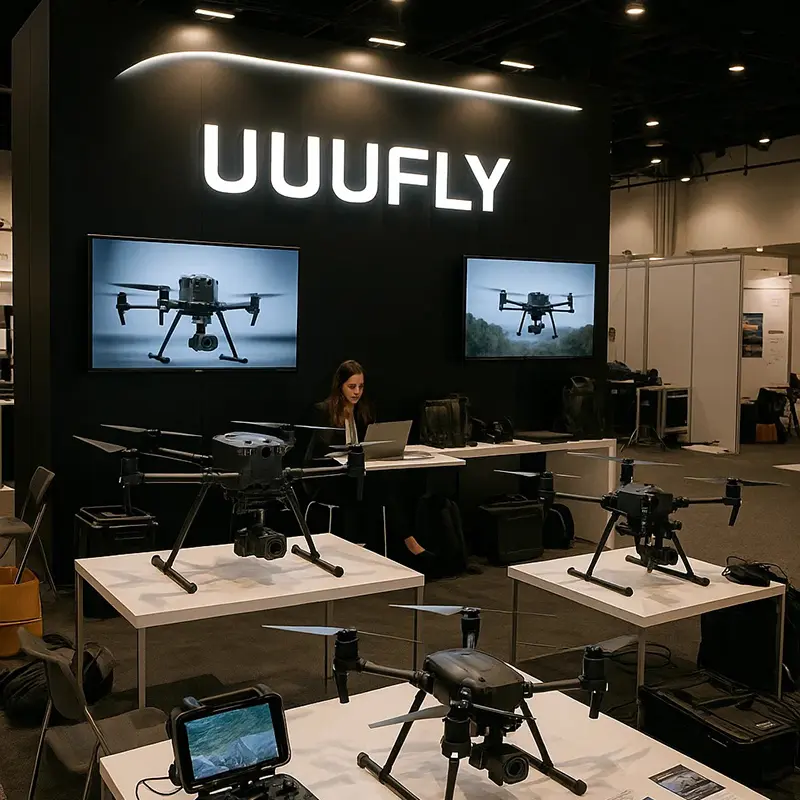
We leverage our flight platforms to service power transmission networks, farm systems, urban planning, and commercial dispatch networks.
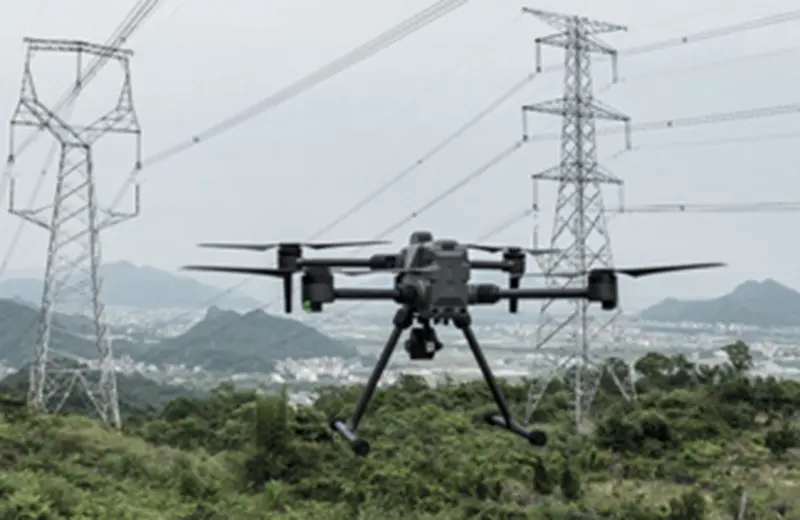
With millimeter-level positioning and encrypted video links, combined with dual-spectrum defect detection and AI target recognition, defect discovery efficiency improves by about 40%. Autonomous patrols and emergency response remain reliable in complex environments. The fast-charge system is compatible with mainstream fleets (80% in 30 minutes), and carbon-fiber propellers with IP67 motors cover most models. In multiple grid pilots, defect detection reached 99.7%.
Multispectral payloads and AI analytics enable early diagnosis of pests and diseases (about 98% accuracy). Variable spraying reduces pesticide use by roughly 30%, while a 50Ah battery and corrosion-resistant tank allow a single flight to cover 200+ mu (≈16 acres). At scale, farms typically see 20–30% lower operating costs.
Combining LiDAR with oblique photogrammetry delivers 0.05-m 3D mapping, making modeling about 5× faster and reducing cost by 60%. With GDPR-compliant encrypted transmission and 5G for real-time cloud analytics, our data underpins urban planning and digital-twin programs, boosting planning efficiency by around 300% in typical projects.
The platform provides autonomous routes, fleet scheduling, mission orchestration and an edge-to-cloud pipeline. Open APIs and message buses integrate seamlessly with enterprise systems to build a secure, observable low-altitude network.
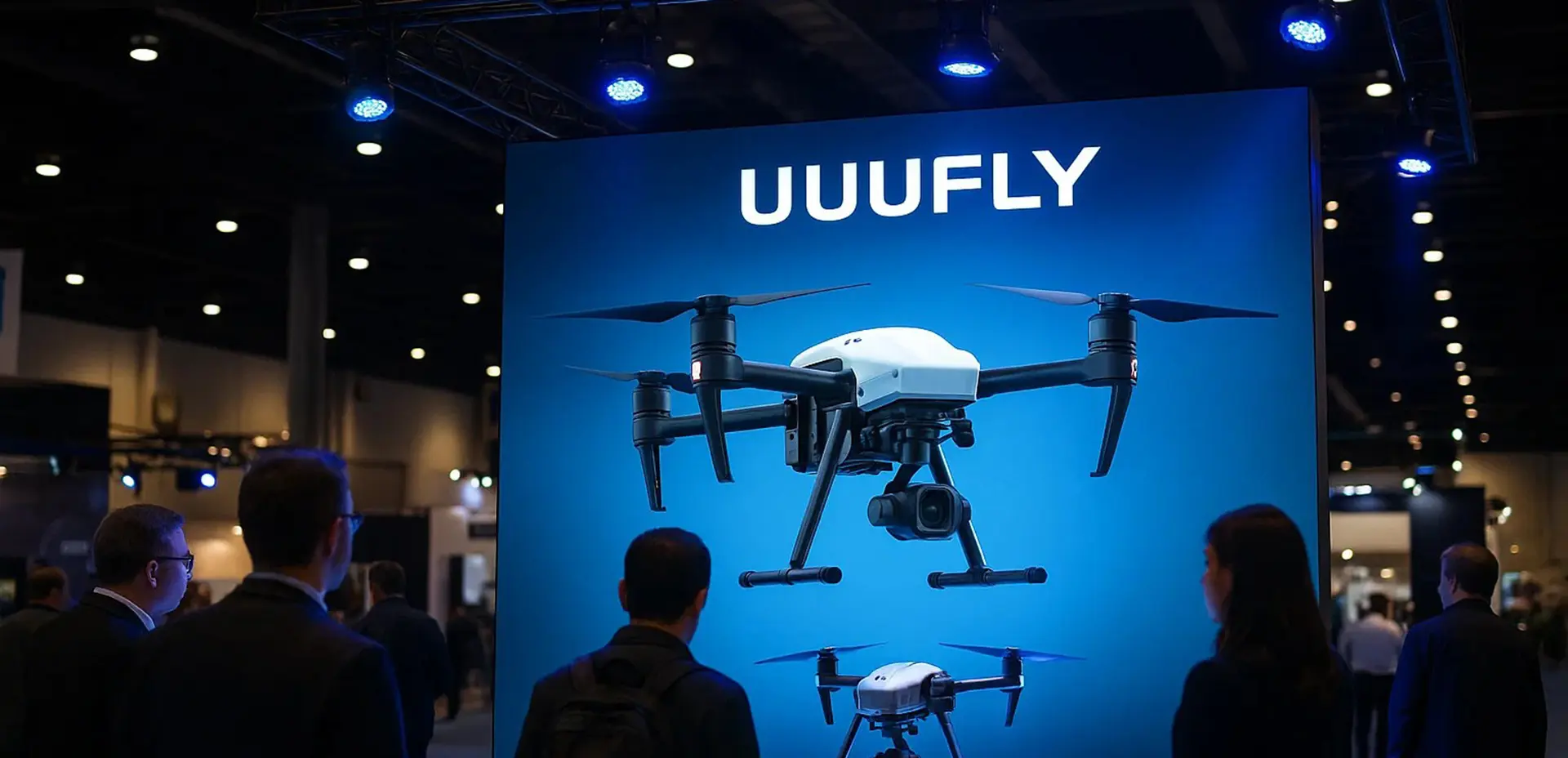
We combine aerospace engineering, embedded systems, computer vision and large-scale operations. We understand vehicles and payloads, and we understand the safety standards and compliance that keep missions trustworthy.
Beyond precision agriculture, our UAV platforms serve public safety, utility grids, and mapping frameworks worldwide.
Essential questions and expert answers regarding the procurement, integration, and utilization of industrial and agricultural UAV systems.
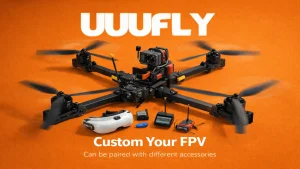
Standard accessories, heavy-lift drones, modular architectures, and high-drain power units engineered for industrial endurance and extended flight cycles.
 UUUFLY