Explore high-performance aerial vehicles, heavy-lift multirotors, and professional power supply solutions engineered for critical defense and industrial tasks.

Modern industrial automation is undergoing a massive paradigm shift. The separation between unmanned ground vehicles (UGVs) and unmanned aerial vehicles (UAVs) is fading fast. In today's critical infrastructure, agriculture, and municipal operations, these systems work together in automated, cross-domain networks.
Industrial ground vehicles are no longer just basic transport devices. They have evolved into mobile autonomous docking stations, telemetry hubs, and heavy-payload carriers. These vehicles are designed to launch, recover, and recharge drone fleets in remote fields. Buying high-quality ground vehicle systems from trusted suppliers is now essential for scaling industrial drone operations.
By using autonomous air-ground coordination, organizations can bypass the battery limits of small aircraft. An intelligent ground vehicle serves as a mobile command center, transporting high-capacity battery packs, liquid payload reserves, and secure computing servers right to the edge of the operations site.
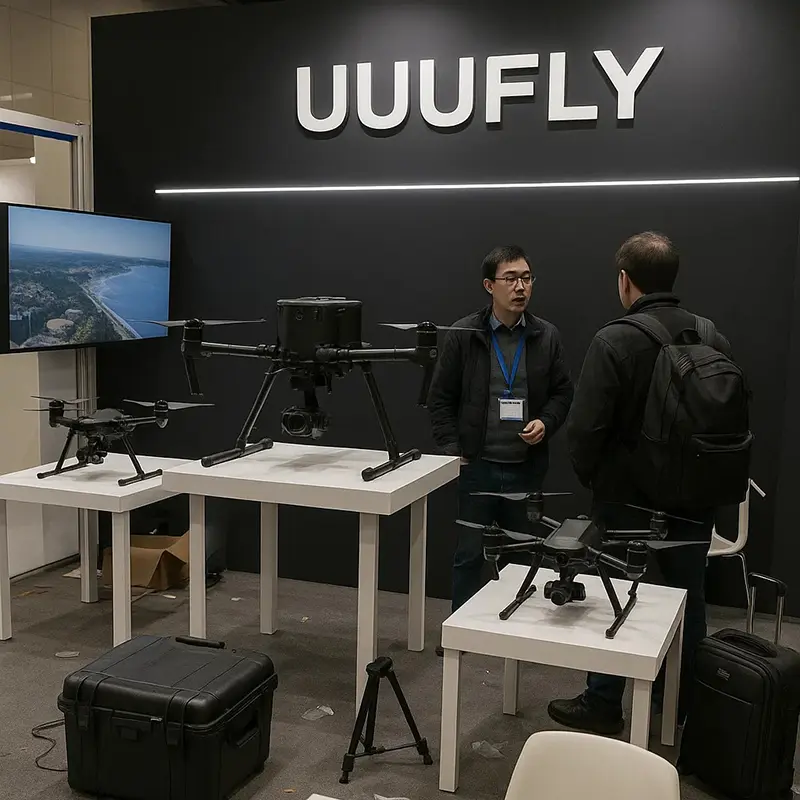
SEO Insight & Information Gain: When sourcing ground vehicles or aerial fleets, industrial buyers look for more than just hardware components. They require end-to-end data pipelines, certified radio frequencies (CE/FCC), robust hardware encryption (AES-256), and localized compliance assurance. Our platform bridges this gap by merging ground infrastructure with advanced low-altitude flight systems.
Moving from specialized flight tools to permanent, autonomous infrastructure.
UUUFLY builds repeatable, traceable, and compliant UAV-UGV systems through integrated innovation across hardware, algorithms, and data operations. We close the operational loop of Discover → Decide → Execute → Trace for power grid, agriculture, and smart-city customers, delivering measurable productivity at scale.
We provide advanced technologies, including dual-spectrum defect detection for power lines, multispectral sensing and variable spraying for precision farming, 0.05-meter 3D mapping for smart cities, autonomous routes and fleet scheduling, and an end-to-end edge-to-cloud data pipeline to ensure complete regulatory compliance.
Proven industrial solutions optimized for efficiency, safety, and scalable deployment.
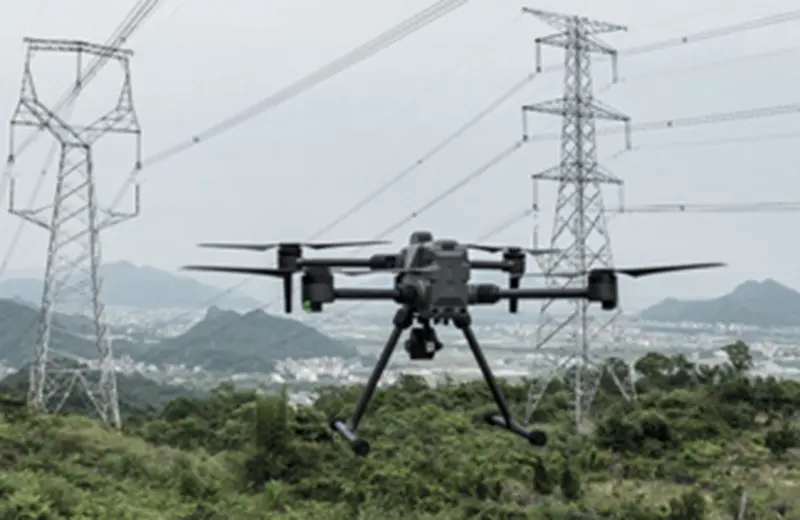
Utilizing millimeter-level RTK positioning and encrypted video links alongside dual-spectrum sensor payloads. Our automated inspection routes improve defect detection efficiency by 40%, maintaining 99.7% detection rates in high-voltage grids. Features an IP67-rated motor system and fast-charging capabilities (80% in 30 minutes).
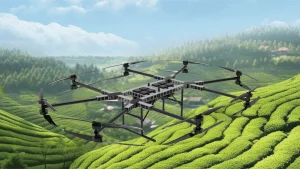
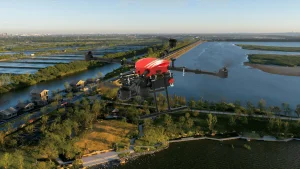
Driven by multispectral sensors and AI analytics, enabling plant illness diagnostics at 98% accuracy. Variable spraying systems reduce chemical waste by 30%. Outfitted with corrosion-resistant carbon fiber frames and 50Ah smart batteries, a single run covers 200+ mu (~16 acres), lowering overhead costs by up to 30%.
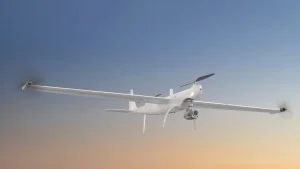
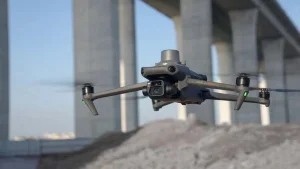
Combines airborne LiDAR with oblique photogrammetry to provide 0.05-meter 3D mapping. This process accelerates digital twin generation by 5 times while reducing survey costs by 60%. Fully GDPR-compliant data links transmit data over 5G networks, boosting planning project workflows by 300%.
A unified cloud-edge software control center that manages automated path planning, fleet dispatching, and live payload data streaming. Features standard REST APIs and message brokers that integrate smoothly with existing enterprise ERP and monitoring systems.
How global industries integrate automated ground stations and vehicles with aerial survey platforms.
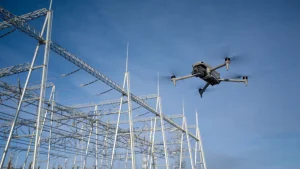
In regions like North America and the Middle East, electric substations are often located far from urban centers. Deploying human inspection crews is expensive and dangerous. Here, automated ground vehicles act as mobile, weather-proof hangars.
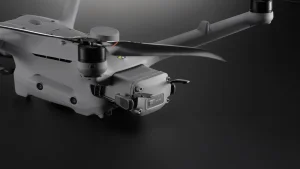
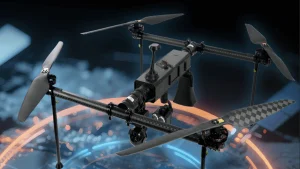
These ground units travel along pre-programmed paths around the substation, utilizing onboard thermal sensors to inspect transformers at ground level. At the same time, they launch small drones like the Keel Mini Quadcopter to scan overhead lines and high-voltage ceramic insulators.
When the drone's battery runs low, it lands back on the ground vehicle's automated dock. The vehicle swaps the battery or initiates fast-charging, keeping the entire system running without requiring staff on site.
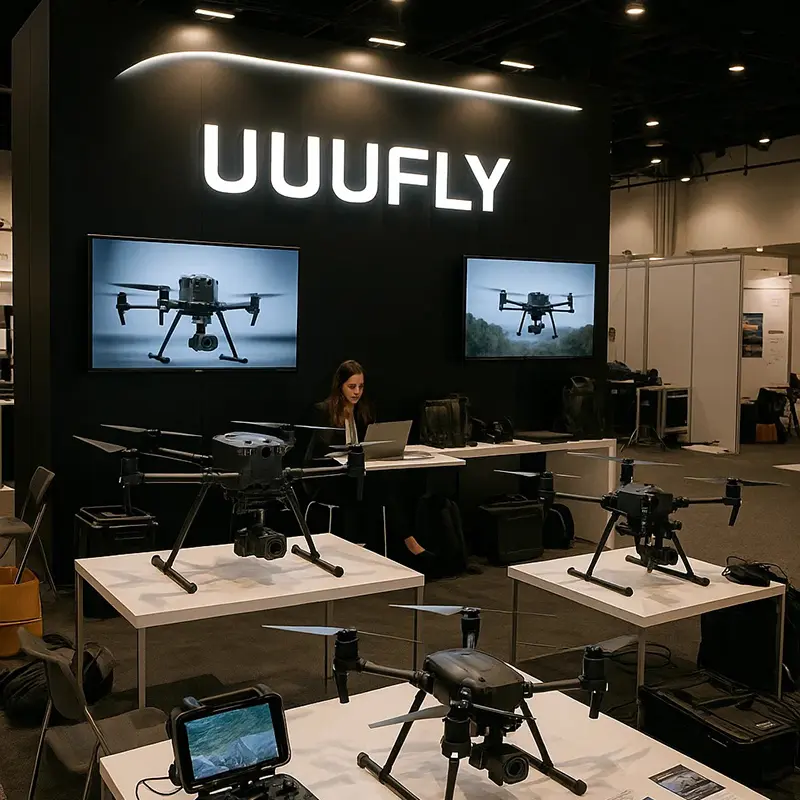
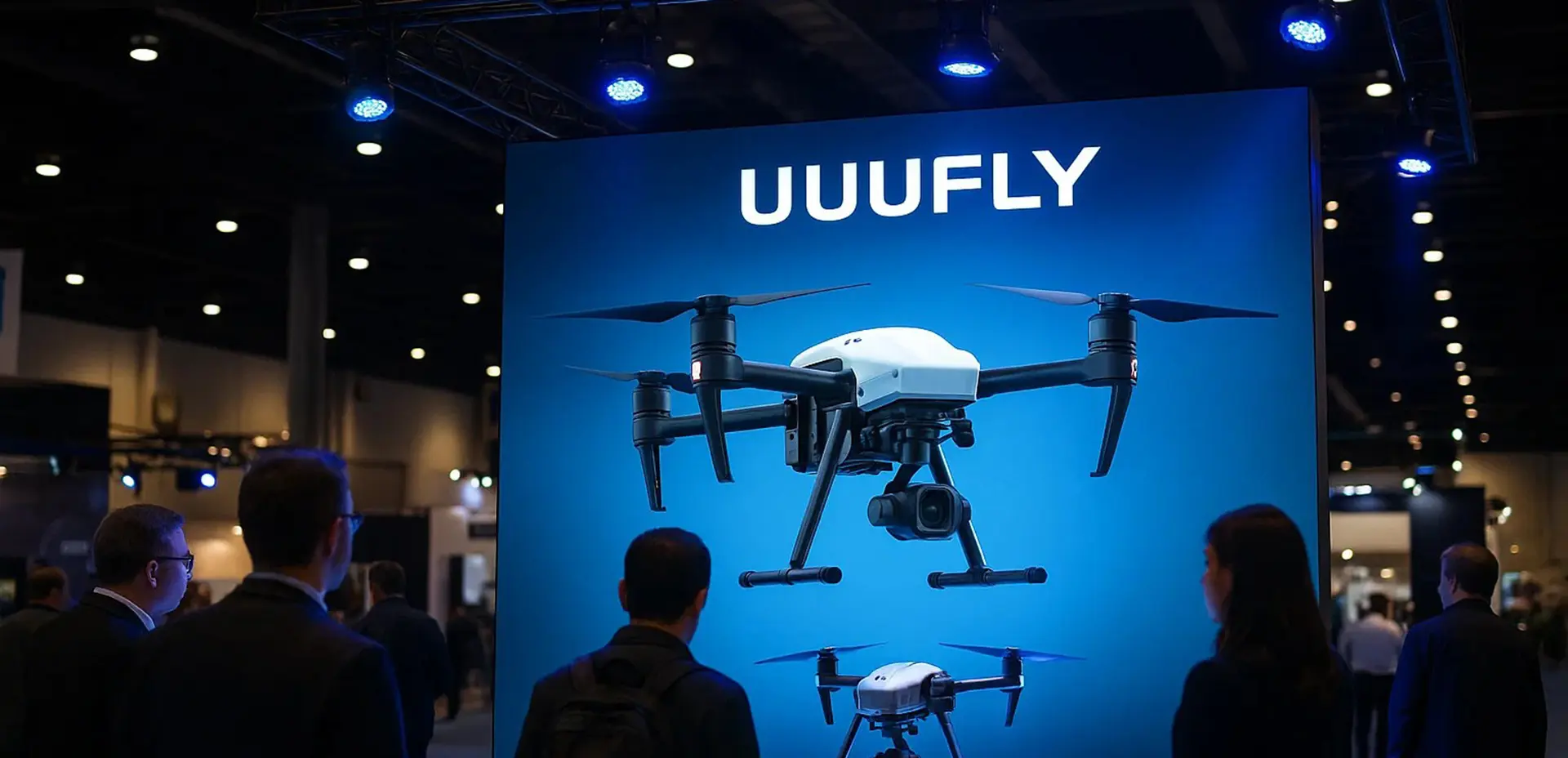
In large agricultural areas, heavy payload drones need constant refills of water, pesticide, and fuel. Ground support vehicles carry these materials directly to the field edge.
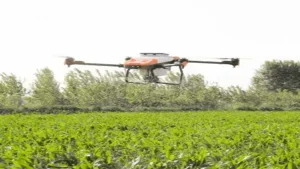
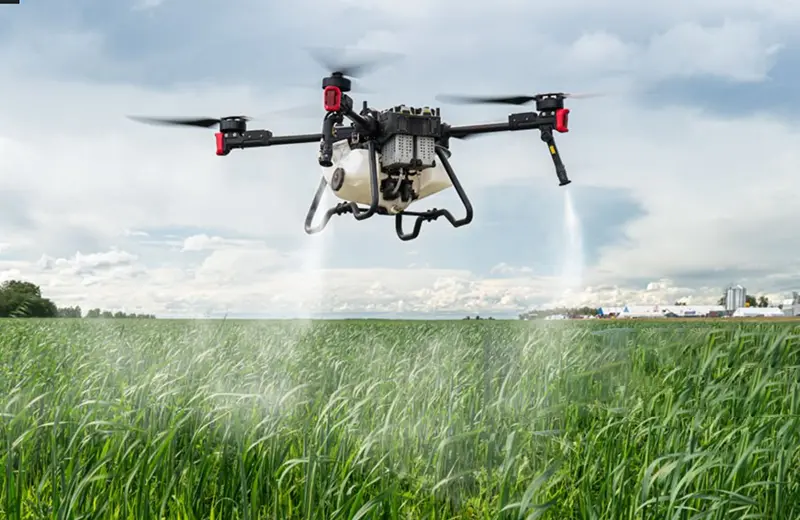
While the ground vehicle analyzes soil moisture and compaction levels, heavy drones like the Carbon Fiber AL4-20 Sprayer treat the crops. Our automated system syncs the ground vehicle's location with the flight controller, allowing the drone to calculate the shortest path back to the vehicle for refills, saving time and energy.
The engineering path toward solid-state power systems, hydrogen-electric powertrains, and Edge-AI navigation.
Why China's manufacturing ecosystem provides unmatched quality, speed, and cost efficiency for global buyers.
Our factory in Shenzhen has direct access to the entire component supply chain, from raw carbon fiber to advanced motor controllers. This allows us to move from prototype designs to final, certified production units in weeks rather than months.
Every ground station and aerial system undergoes strict quality control. This includes environmental chamber tests (from -20°C to 60°C), electromagnetic interference (EMC/EMI) testing, and multi-axis vibration testing to ensure reliable operation in demanding field conditions.
We handle all aspects of international shipping and regulatory compliance. Our products are fully certified (CE, FCC, RoHS) and feature AES-256 data encryption to satisfy local safety and security standards.
Combining aerospace engineering, autonomous navigation systems, and global support operations.
Former industrial UAV product lead; drives product architecture, standardization, and ecosystem partnerships.
Computer vision & autonomy specialist focusing on sensor fusion, target detection, and mission decision systems.
Drives localization and partner-led delivery across the Middle East, Pakistan, and Central Europe.
Aerospace & electrical engineer focusing on payload integration, EMC/EMI, and structural reliability testing.
Leads model training and mission orchestration to optimize detection accuracy and autonomous flight strategies.
Manages regional marketing, compliance certification, and partner networks across LATAM & MENA.
Providing secure, reliable systems designed for regulated industries worldwide.
All our autonomous hardware systems, batteries, and charging stations are fully certified under CE, FCC, and RoHS. Systems undergo rigorous testing to ensure safe operation around high-voltage power lines and sensitive municipal infrastructure.
We use AES-256 encryption for all remote control and telemetry data links. For projects with strict privacy requirements, we offer on-premise cloud server options to keep all collected data completely within local borders.
Tailored systems built to meet the specific operational demands of diverse sectors.


Common questions regarding system deployment, telemetry integration, and purchasing options.
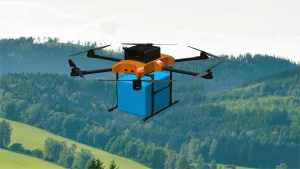
Explore our heavy-lift logistics systems, modular quadcopters, and high-efficiency agricultural spraying drones.
 UUUFLY