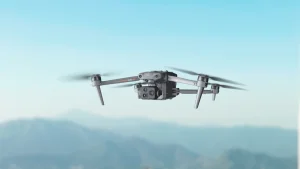
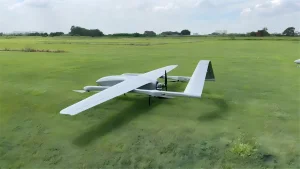
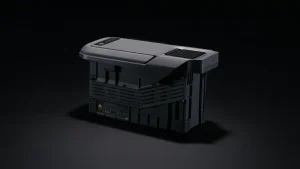
Discover industrial-grade drones, heavy-lift platforms, multispectral systems, and modular components designed for high-density agricultural and commercial spray applications.
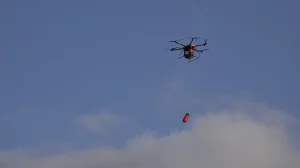
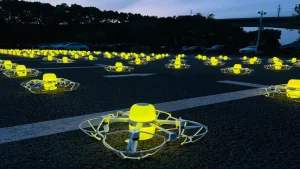
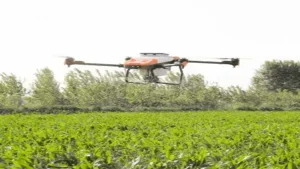
We turn drones from tools into infrastructure, enabling the global low‑altitude economy with engineering rigor and compliance.
At UUUFLY, we recognize that the future of agricultural productivity, industrial inspection, and emergency response relies on robust, scalable, and autonomous robotic solutions. We bridge the gap between high-level software intelligence and field-proven hardware reliability. Our systems are engineered to withstand extreme environmental challenges, providing international enterprises and government contractors with consistent operational stability.
Core Components Shipped
Enterprise Customers
Global Cities Deployed
Patrol Defect Accuracy

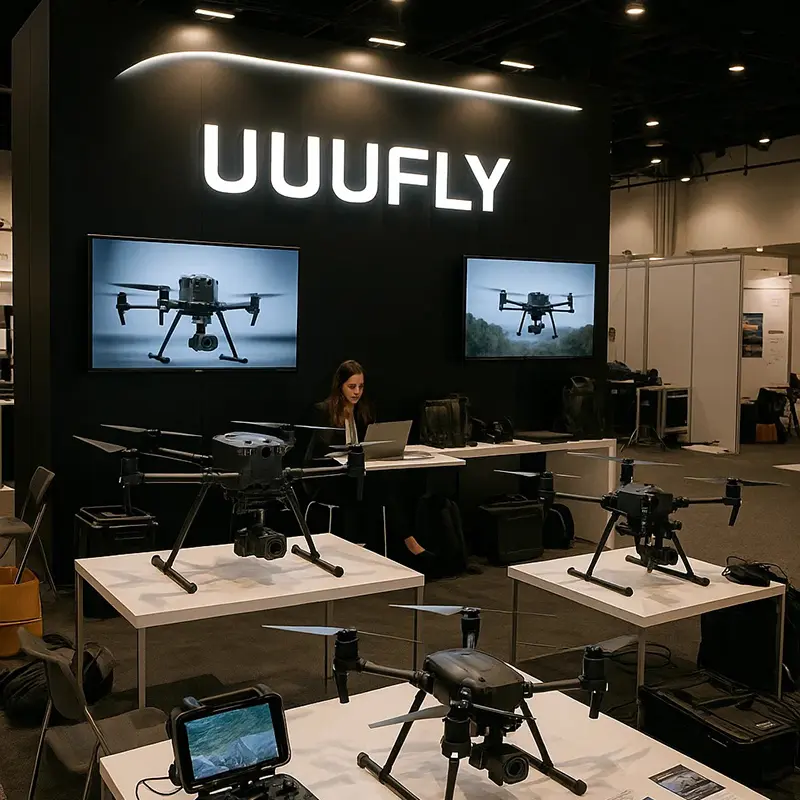
UUUFLY builds repeatable, traceable, and compliant UAV systems through integrated innovation across hardware, algorithms, and data operations. We close the loop of Discover → Decide → Execute → Trace for power, agriculture, and smart‑city customers, delivering measurable aerial productivity at scale.
Optimized low-altitude hardware tailored for specific industrial pain points, delivering field-tested efficiency and compliance.
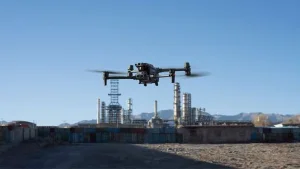
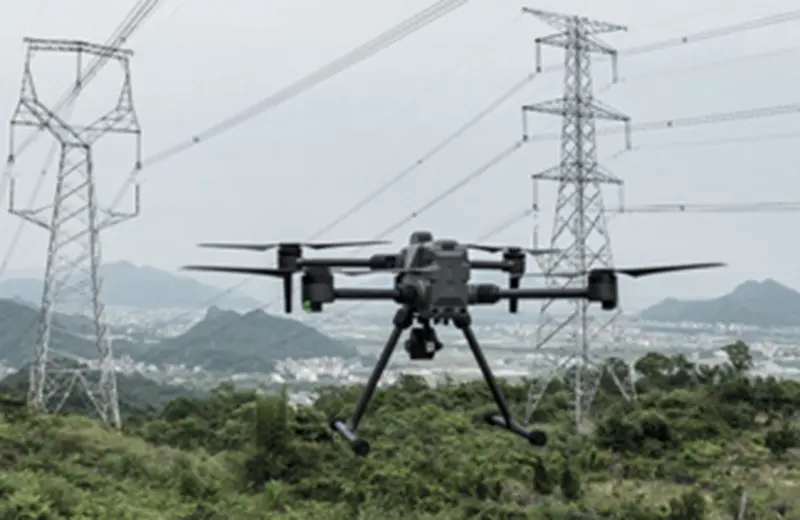
With millimeter‑level positioning and encrypted video links, combined with dual‑spectrum defect detection and AI target recognition, defect discovery efficiency improves by about 40%. Autonomous patrols and emergency response remain reliable in complex environments. The fast‑charge system is compatible with mainstream fleets (80% in 30 minutes), and carbon‑fiber propellers with IP67 motors cover most models. In multiple grid pilots, defect detection reached 99.7%.
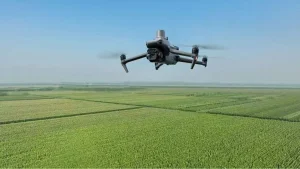
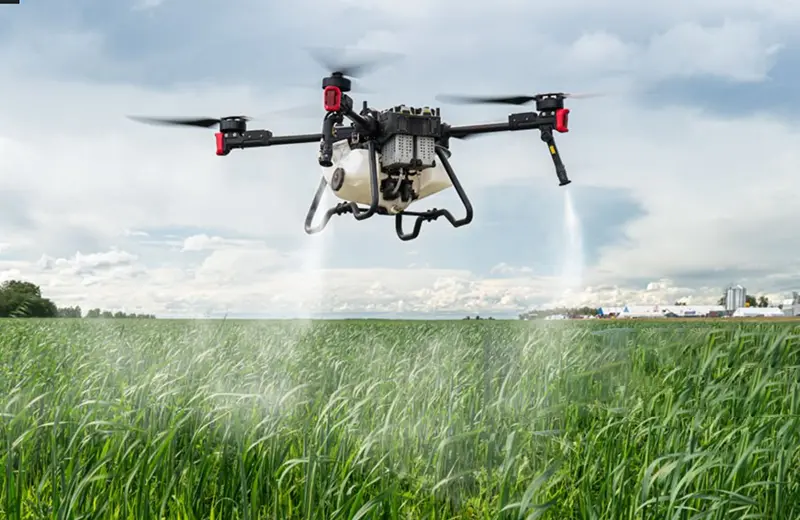
Multispectral payloads and AI analytics enable early diagnosis of pests and diseases (about 98% accuracy). Variable spraying reduces pesticide use by roughly 30%, while a 50Ah battery and corrosion‑resistant tank allow a single flight to cover 200+ mu (≈16 acres). At scale, farms typically see 20–30% lower operating costs, maximizing return on investment across massive agricultural properties.
Combining LiDAR with oblique photogrammetry delivers 0.05‑m 3D mapping, making modeling about 5× faster and reducing cost by 60%. With GDPR‑compliant encrypted transmission and 5G for real‑time cloud analytics, our data underpins urban planning and digital‑twin programs, boosting planning efficiency by around 300% in typical projects.
Industrial agricultural operations require a fundamental shift from hobbyist hardware to heavy-duty, field-repairable spray platforms. When enterprise farm management organizations, national agricultural ministries, and pesticide distribution syndicates purchase agrispray drones, they evaluate parameters beyond basic payload capacity. Key metrics include drone chassis durability, continuous duty cycle capacity, and ease of parts replacement.
Modern agrispray operations demand platforms that can withstand high levels of structural fatigue. Utilizing high-efficiency carbon fiber constructs, such as the AL4-20 and AL4-50 agricultural sprayer systems, guarantees high strength-to-weight ratios. Carbon fiber structures not only optimize payload-to-weight ratios but also provide essential corrosion resistance against aggressive chemical formulations, liquid fertilizers, and extreme climatic humidity.
Enterprise operators look for advanced pump technologies—specifically brushless impellers or high-pressure diaphragm pumps—capable of handling high viscosity liquids without clogging. Combined with centrifugal atomizing nozzles, sprayers can alter droplet sizes dynamically (from 50 to 300 microns) depending on crop density and target crop pathology. This prevents chemical drift in high-wind conditions and ensures deep canopy penetration for dense row crops like maize, sugarcane, and orchards.
Deploying agricultural drones successfully requires integrating flight hardware with systemic software pipelines. The operational workflow relies on multispectral crop reconnaissance, automated prescription mapping, and variable rate application.
The agricultural UAV sector is transitioning towards fully autonomous, energy-dense, and cloud-integrated systems. Key technological trends driving research and development over the next 3 to 5 years include:
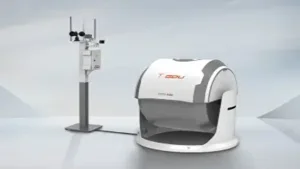
Relying on manual field crews to swap batteries every 20 minutes restricts the scaling potential of agricultural operations. Future ecosystems will rely on autonomous docking systems, similar to the GUD K01 Dock Kit, which automate the battery-charging cycle. These enclosed stations protect drones, run automatic self-diagnostic tests, and swap batteries in less than 3 minutes, enabling continuous operation.
While lithium-based battery tech (like the high-capacity TB100 Smart Flight Battery) continues to lead the market, hydrogen fuel cell propulsion offers longer flight times. Hydrogen-powered industrial platforms can extend mission times to over 2 hours under load, drastically reducing charging intervals and logistics footprints for large remote farmlands.
By combining millimeter-wave radar, LiDAR, and binocular vision systems, agrispray drones can navigate challenging terrain, follow steep slopes, and avoid utility lines. This allows safe, low-altitude flights down to 1.5 meters above the crop canopy, even in dust-heavy environments.
A comparative overview of our enterprise certifications, security protocols, and operational parameters.
Over 500,000 core components shipped globally, serving 300+ enterprise customers. Our products are actively deployed in more than 30 cities worldwide, demonstrating a high repeat purchase rate from leading agricultural service corporations.
Data transmission uses AES-256 encryption alongside advanced frequency-hopping systems to prevent signal interference. We offer hybrid cloud deployment models and on-premise setups to meet localized data sovereignty regulations.
All hardware holds CE, FCC, and RoHS certifications. We maintain a 24/7 multilingual technical support network (CN/EN/JP/RU/FR/ES/AR) to assist distributors, industrial fleets, and public safety teams globally.
Aerospace engineering, computer vision, and global operations expertise driving low-altitude economic infrastructure.
Former industrial UAV product lead; drives product architecture, standardization and ecosystem partnerships.
Computer vision & autonomy specialist focusing on sensor fusion, target detection and mission decision systems.
Drives localization and partner-led delivery across the Middle East, Pakistan, and Russia.
Aerospace & electrical engineer focusing on payload integration, EMC/EMI and reliability design.
Leads model training and mission orchestration to optimize detection accuracy and decision strategies.
Drives localization and partner‑led delivery across LATAM & MENA regions.
Explore how UUUFLY drone architectures serve diverse global markets and complex field tasks.
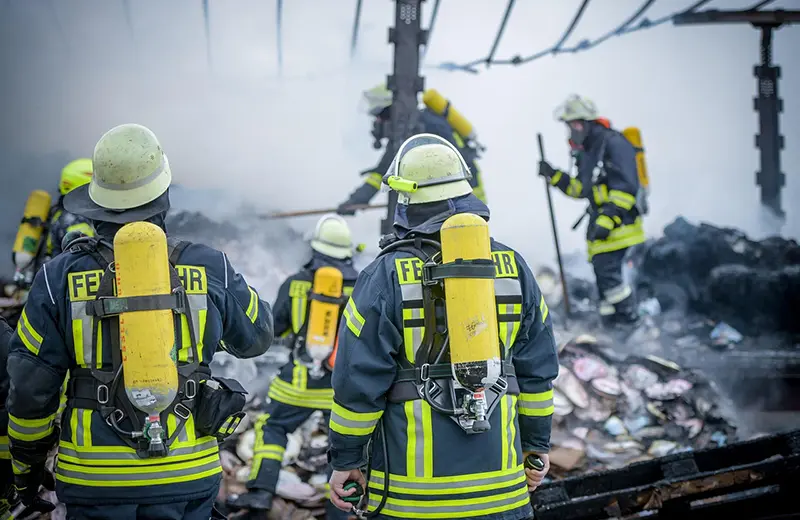

How we align with international regulations to ensure compliant, secure, and sustainable flight operations.
Deploying commercial unmanned aerial vehicles requires strict adherence to localized aviation policies and data governance frameworks. UUUFLY prioritizes regulatory compliance throughout the design and manufacturing stages, ensuring our global partners can deploy fleets with minimal administrative friction.
Our drone designs are certified to meet international criteria, including FCC Part 15 (North America), CE marking (European Economic Area), and RoHS compliance. Equipment undergoes testing for electromagnetic compatibility (EMC/EMI) to prevent interference with power transmission infrastructure, agricultural communication hubs, or military radar installations.
Agricultural and infrastructure data can be sensitive. We use AES-256 encryption for flight control links and video feeds. For telemetry data, clients can select regional cloud configurations (complying with EU GDPR or US HIPAA frameworks) or secure, on-premise local server setups. This ensures that third parties cannot access flight paths, crop health patterns, or industrial asset records.
As a leading developer, UUUFLY provides customizable hardware and software interfaces. Our standard drone designs support payload integrations through open SDKs, allowing operators to swap spraying tanks for multispectral cameras, LiDAR systems, or custom payload options. We support global distributors and agricultural service cooperatives through dedicated regional support contacts in Latin America, Europe, the Middle East, and Asia.
Technical and procurement answers for enterprise buyers and agricultural operators.
We offer a 12-month warranty on structural components, including the carbon-fiber frame and landing gear. Smart battery setups (like the TB100 series) are warrantied for up to 400 charging cycles. We suggest a standard inspection every 100 flight hours to check motor bearings, clean nozzle valves, and update onboard firmware.
By importing NDVI data maps into the flight controller, the drone reads coordinate-specific prescription values. Using integrated flow meters and variable-voltage pumps, the flight software dynamically adjusts pump output based on flight speed and localized requirements. This approach reduces overall chemical volume by 30% compared to traditional flat-rate spraying.
Yes, our onboard GNSS RTK modules support standard RTCM 3.X protocols. This allows our drones to connect to third-party RTK networks or base stations, ensuring centimeter-level positioning accuracy during flight operations.
For standard fleet configurations, lead times range from 15 to 30 days depending on order size. Custom OEM/ODM requests—such as specialized spray setups, particular chassis materials, or custom software integrations—typically require 45 to 60 days from technical sign-off to product dispatch.
Our platforms utilize a dual-band frequency-hopping system (operating on both 2.4GHz and 5.8GHz) along with directional antennas. This ensures stable telemetry and video links in challenging environments, such as high-voltage transmission lines or industrial facilities.
We offer comprehensive training materials, simulator software, and on-site support through regional partner networks. Distributors and large enterprise customers can also access customized training certifications for their flight crews.
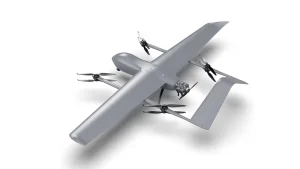
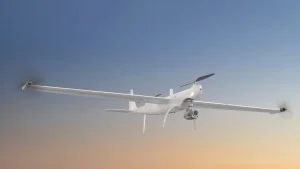
Explore our specialized heavy-payload vehicles, long-range vertical take-off platforms, and smart power modules.
 UUUFLY