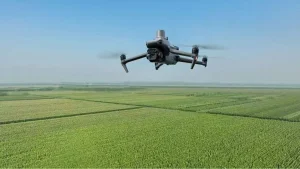
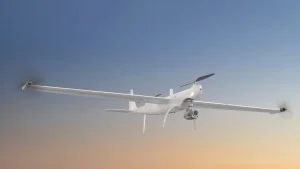
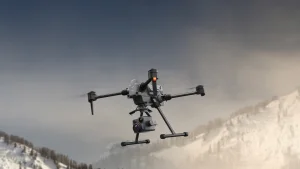
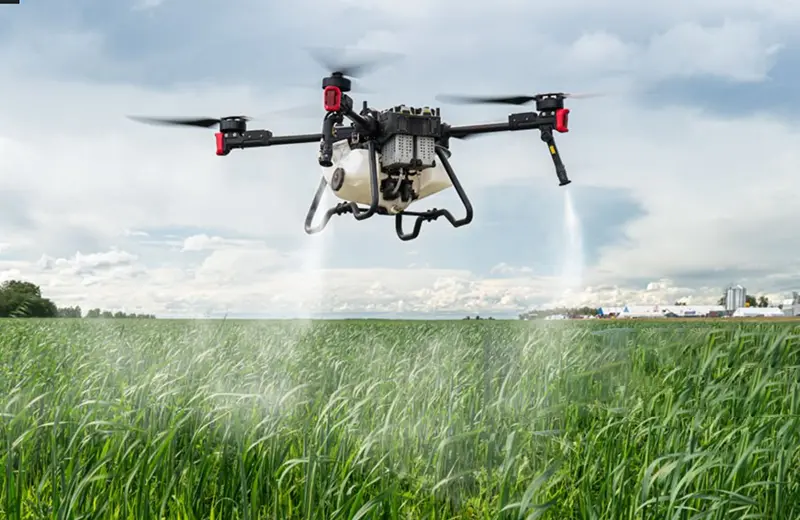
Explore our top-tier drone systems featuring helicopter-grade powerplants, multispectral capabilities, and long endurance, designed for agricultural safety and heavy-lift applications.
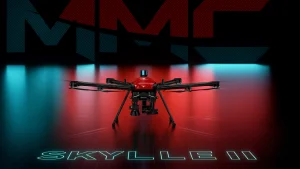
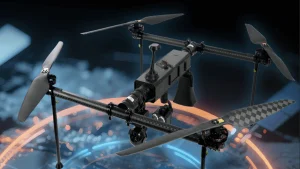
Evaluating the paradigm shift from manual spraying programs to automated, multispectral agricultural infrastructure.
The global agricultural sector faces unprecedented challenges: acute labor shortages, strict drift mitigation laws, and the pressing need to reduce chemical inputs. Pest control drones have matured from experimental technology into essential low-altitude infrastructure. Modern aerial systems leverage multi-frequency GNSS RTK, centrifugal atomization, and targeted AI recognition pipelines to minimize operation costs and maximize yields.
By shifting from uniform broadacre spraying to variable-rate application (VRA) powered by multispectral indices (like NDVI and NDRE), farm managers can target weeds, insects, and fungal outbreaks at the plant-by-plant scale. According to agronomist audits, using advanced UAV sprayers reduces overall pesticide volume by approximately 30% while boosting efficiency over traditional tractor operations by more than 10-fold, especially on sloped terrain and wet soils where ground machinery cannot operate.
"For modern agricultural service providers and global distributors, selecting the right drone supplier requires evaluating more than just tank size. It demands strict verification of electromagnetic compatibility (EMC/EMI), structural resilience against corrosive agents, fail-safe links, and certified component supply chains."
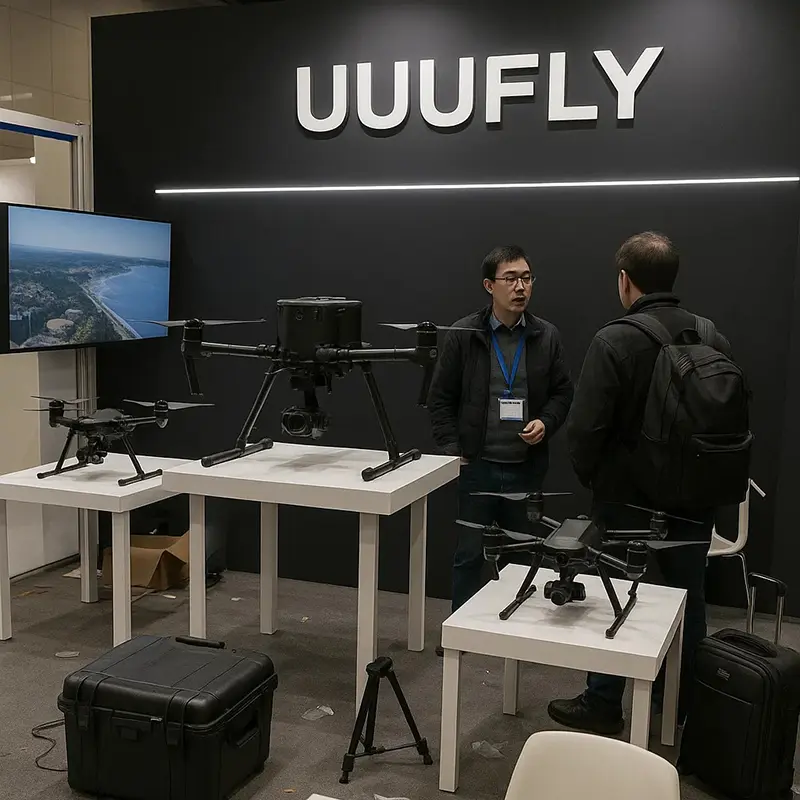
We turn drones from tools into infrastructure, enabling the global low‑altitude economy with engineering rigor and compliance.
UUUFLY builds repeatable, traceable, and compliant UAV systems through integrated innovation across hardware, algorithms, and data operations. We close the loop of Discover → Decide → Execute → Trace for power, agriculture, and smart‑city customers, delivering measurable aerial productivity at scale.
Our core capabilities include dual‑spectrum defect detection (power inspection), multispectral sensing & variable spraying (precision agriculture), 0.05‑m 3D mapping (smart city), autonomous routes & fleet scheduling (scaled operations), and an end‑to‑end edge‑to‑cloud data pipeline (governance & compliance).
Our modular architecture supports diverse enterprise operations, balancing flight performance with strict data and link security standards.
Multispectral payloads and AI analytics enable early diagnosis of pests and diseases with 98% accuracy. Variable spraying reduces pesticide use by roughly 30%, while our 50Ah battery systems and corrosion-resistant tanks allow a single flight to cover over 200+ mu (~16 acres). Farms reduce total operating costs by 20-30%.
Featuring millimeter-level positioning and AES-256 encrypted video links. Dual-spectrum defect detection and AI target recognition improve efficiency by 40%. The fast-charge power module reaches 80% charge in 30 minutes. Carbon-fiber components and IP67-rated motors secure a 99.7% defect detection rate under harsh conditions.
Integrating LiDAR with oblique photogrammetry delivers high-accuracy 0.05-meter 3D mapping, making spatial modeling 5x faster at 60% lower costs. GDPR-compliant transmission via secure 5G networks allows real-time cloud data pipelines that boost municipal planning and digital-twin construction speed by up to 300%.
How localized manufacturing clusters and vertical component integration drive quality, speed, and cost efficiency for B2B buyers.
Sourcing commercial-grade pest control drones directly from established Chinese factories provides significant operational advantages. As the global epicenter for consumer and industrial electronics, China's drone ecosystem—centered in Shenzhen and the wider Guangdong region—hosts a vertically integrated supply chain where specialized component makers are co-located.
This geographic density drastically reduces lead times for complex bills of materials (BOMs). From high-grade T300 carbon fiber frames to specialized high-torque brushless motors and precision-machined ESCs, every part is optimized for durability. For wholesale procurement partners, this translates to rapid iteration speeds, customized payload integrations, and a guaranteed supply of spare parts.
Deploying agricultural UAV systems across diverse terrain types and regulatory landscapes demands adaptable operational parameters.
Pest control requirements shift rapidly based on topography and crop profiles:
UUUFLY prioritizes compliance and local support networks to simplify international operations:
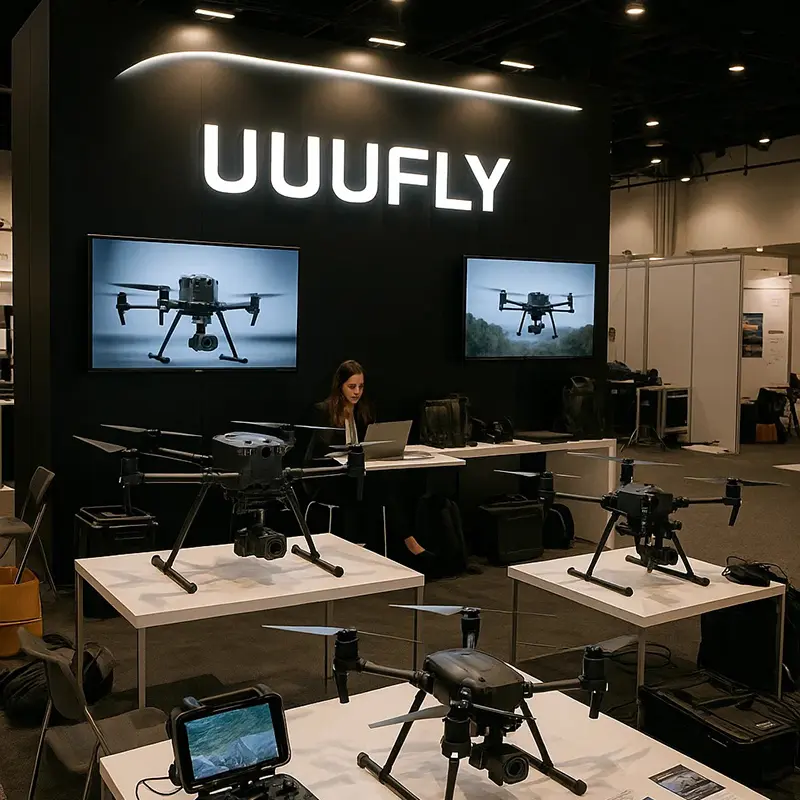
We combine aerospace engineering, embedded systems, computer vision, and large-scale operations to build dependable platforms for the low-altitude economy.
Where agricultural robotics is headed in the next 3 to 5 years, highlighting safety, efficiency, and autonomous coordination.
To extend commercial flight times, manufacturers are integrating hydrogen fuel cell technology. This allows heavy-duty spraying drones to operate for up to 2 hours per fill, reducing the reliance on lithium battery charging stations in remote crop zones.
Electrostatic spraying charges spray droplets as they leave the nozzle, making them adhere more effectively to crop leaves. This minimizes chemical drift, reduces soil runoff, and improves treatment efficacy on the undersides of dense foliage.
Using high-bandwidth 5G and RTK, multiple drones can fly cooperative missions. A single operator can manage a fleet of 3 to 5 aircraft, coordinating flight paths automatically to survey and treat large agricultural sites in parallel.
Answering essential questions on components, configuration, compliance, and custom B2B sourcing requirements.
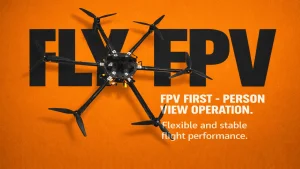
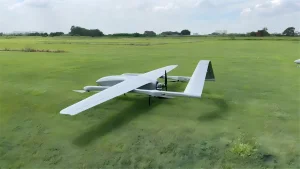
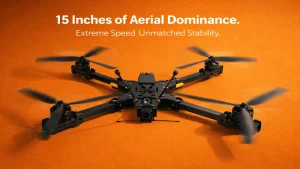
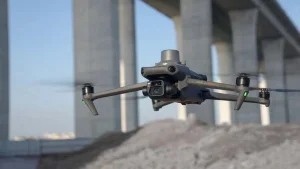
Select from high-payload VTOLs, mapping quadcopters, and customizable FPV platforms manufactured for demanding field operations.
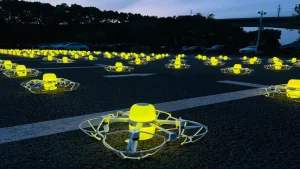
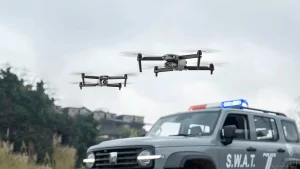
Deploying unmanned aerial platforms across diverse vertical industries with targeted payload systems.
 UUUFLY