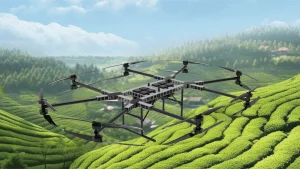
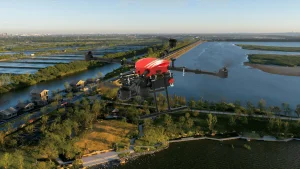
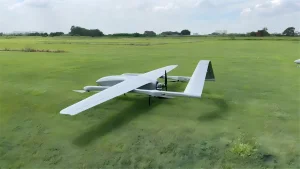
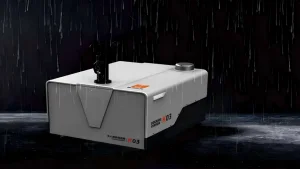
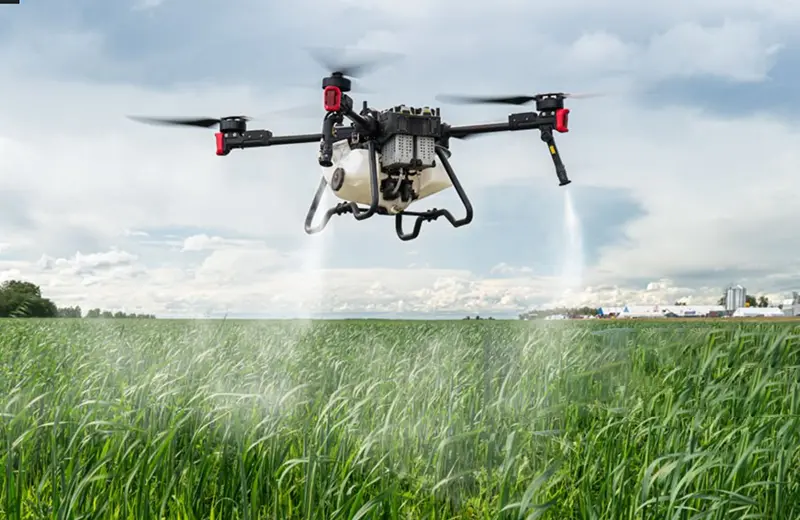
Our flagships, manufactured under strict international certifications, deployed dynamically for Mumbai's dense urban environments, port infrastructure, and regional forestry.
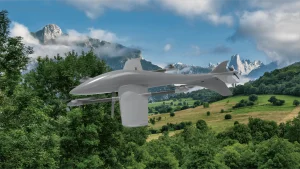
As the financial heartbeat of India, Mumbai and its surrounding metropolitan region—stretching through Navi Mumbai, the industrial zones of Thane, Belapur, Taloja, and down the economic corridor to Pune—are undergoing a massive transformation. Driven by the Government of India's liberalized Drone Rules and the Digital Sky initiative, industrial operations are transitioning from traditional manual monitoring to intelligent, autonomous UAV workflows.
Deploying drones in Mumbai poses highly unique challenges. High-rise density, marine and coastal saline environments, complex atmospheric winds from the Arabian Sea, and intense monsoon seasons require UAV systems built with supreme physical resilience. The SKY NEXT manufacturing initiative focuses directly on these environmental and spatial demands, developing chassis with IP67 water and dust ingress protection, anti-corrosive treatments, and advanced electromagnetic shielding to prevent interference in high-voltage industrial zones.
By localizing assembly, calibration, and support in Mumbai, SKY NEXT ensures that Indian enterprises have immediate access to high-performance assets compliant with DGCA (Directorate General of Civil Aviation) type certifications and NPNT (No Permission, No Takeoff) protocol baselines. This localized presence bridges the gap between state-of-the-art engineering and on-the-ground operational viability.
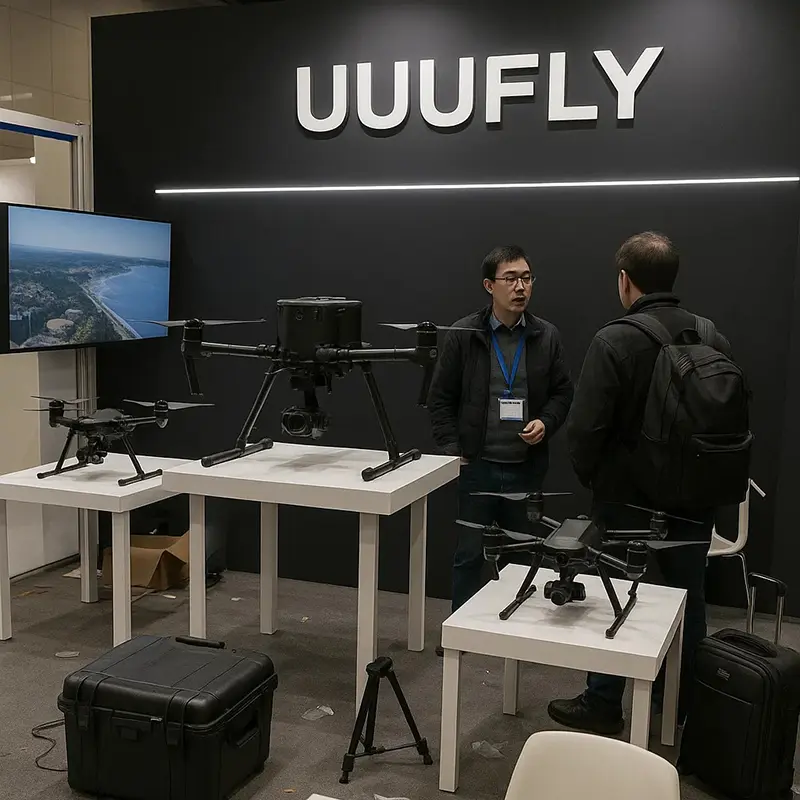
We turn drones from simple tools into critical infrastructure, enabling the global low‑altitude economy with engineering rigor, compliance, and localized support.
UUUFLY builds repeatable, traceable, and compliant UAV systems through integrated innovation across hardware, control algorithms, and cloud data operations. We close the loop of Discover → Decide → Execute → Trace for power utilities, modern agriculture, and smart‑city projects, delivering measurable aerial productivity at scale.
Our core capabilities cover a wide spectrum of technological frontiers: dual‑spectrum thermal and visual defect detection for high-voltage power lines, multispectral sensing & variable-rate spraying for precision farming, 0.05-meter accuracy 3D mapping via LiDAR integration, autonomous routes & fleet scheduling for wide-area operations, and an end-to-end edge-to-cloud data pipeline that guarantees local data sovereignty and security compliance.
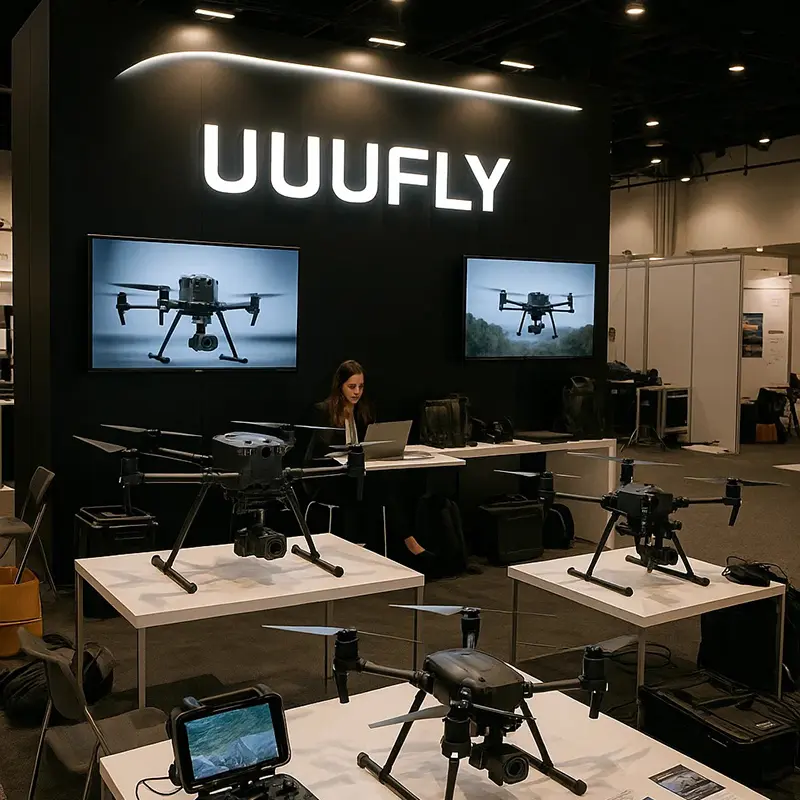
Through technical mastery and understanding of operational requirements, we deliver specific efficiency gains across four critical industries.
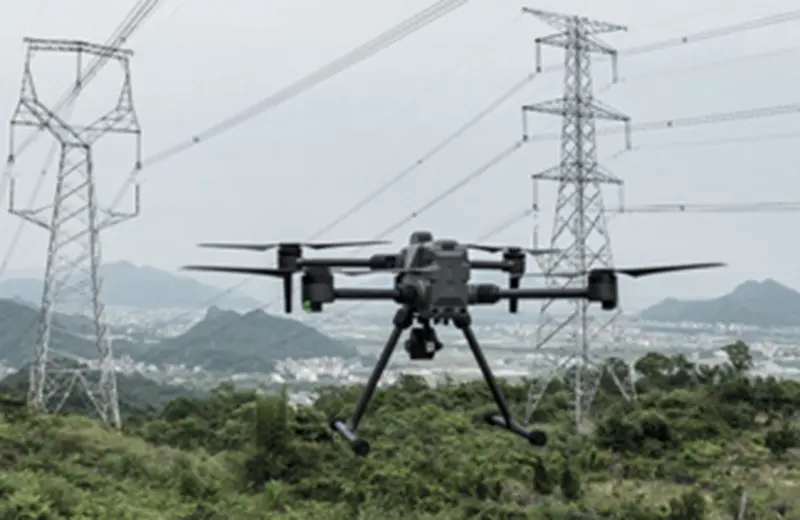
Equipped with millimeter-level RTK positioning and encrypted real-time video links, our drones utilize dual-spectrum sensor arrays and on-board AI edge computing to spot defects instantly. With this system, detection efficiency of insulators, pylons, and substations is improved by approximately 40%. Our fast-charging hub powers flight packs from 20% to 80% in just 30 minutes, keeping operations active. Custom carbon-fiber structural elements and IP67-rated brushless motors ensure reliability in high-voltage electromagnetic fields, proven by a 99.7% detection accuracy in multiple electrical grid pilots.
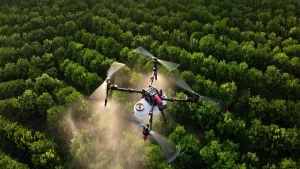
Using high-resolution multispectral payloads, our drones map crop health indices to diagnose pest outbreaks and nutritional deficiencies with 98% accuracy. By communicating directly with variable-rate nozzle systems, chemical usage is lowered by up to 30%. Supported by high-density 50Ah battery modules and highly durable chemical reservoirs, a single crop-spraying UAV manages up to 200+ mu (~16 hectares) per flight. Agricultural operations employing this model report an average decrease of 20% to 30% in seasonal maintenance expenses.
Integrating advanced LiDAR sensors with multi-angle oblique photogrammetry cameras, we generate digital twins with 0.05-meter spatial accuracy. This workflow speeds up urban modeling cycles up to five times, reducing operational expenses by 60% compared to traditional mapping aircraft. Telemetry is routed via high-speed 5G networks, utilizing AES-256 encryption. This pipeline supports modern municipal registries and port security networks (such as JNPT near Mumbai), resulting in planning efficiency improvements of around 300%.
The low-altitude economy depends on centralized, observable coordination. Our enterprise platform provides autonomous path planning, automated hangar management, multi-drone scheduling, and an integrated edge-to-cloud telemetry data stream. With open API standard architectures, organizations can link our flight management systems directly into their ERPs, monitoring real-time flight telemetry, weather data, and video feeds within a single control console.
Blending the production speed of Chinese electronic clusters with local customization and compliance testing in Mumbai.
Building high-tier industrial UAVs requires access to both component manufacturing hubs and professional field-testing and customization resources. The SKY NEXT Mumbai facility is strategically configured to leverage this global supply chain model. Core electronic components, precise electronic speed controllers (ESCs), optical and thermal sensor modules, and structural carbon-fiber chassis are sourced directly from top-tier supply chains in Shenzhen and Guangzhou. This connection ensures high material quality, component traceability, and cost efficiency.
Once these components arrive at the SKY NEXT Mumbai facility, local engineers take over. This phase involves local DGCA compliance adjustments, the installation of India-specific NPNT (No Permission, No Takeoff) tracking modules, and firmware optimization for high humidity and temperature profiles. The Mumbai plant handles final system integration, strict quality control testing, and localized warranty services. This configuration cuts down delivery lead times, offers local engineering and technical support, and protects clients against global logistics bottlenecks.
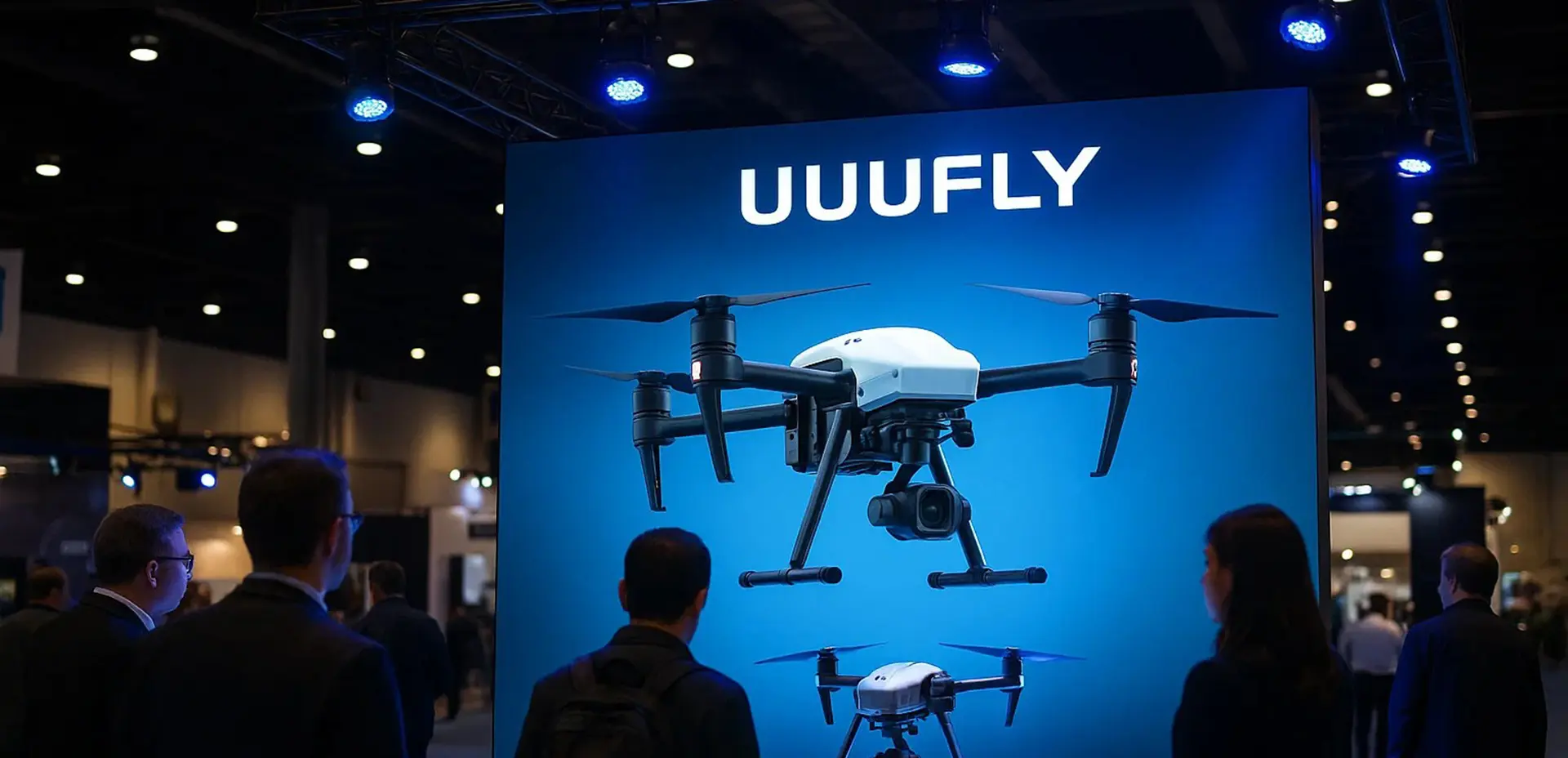
Our development pipeline focuses on long flight endurance, edge computing capability, and alternative energy systems.
To overcome the limits of lithium batteries, our roadmap includes hydrogen fuel cell integration for select vertical takeoff and landing (VTOL) designs. This is expected to push continuous flight times to over 4 hours, enabling long-range corridor monitoring of pipelines and railways across Western India.
By installing companion computer processors directly on the drone frame, next-generation payloads will process raw visual data locally. This architecture enables real-time threat detection, structural fatigue assessment, and crop damage alerts without relying on cloud bandwidth.
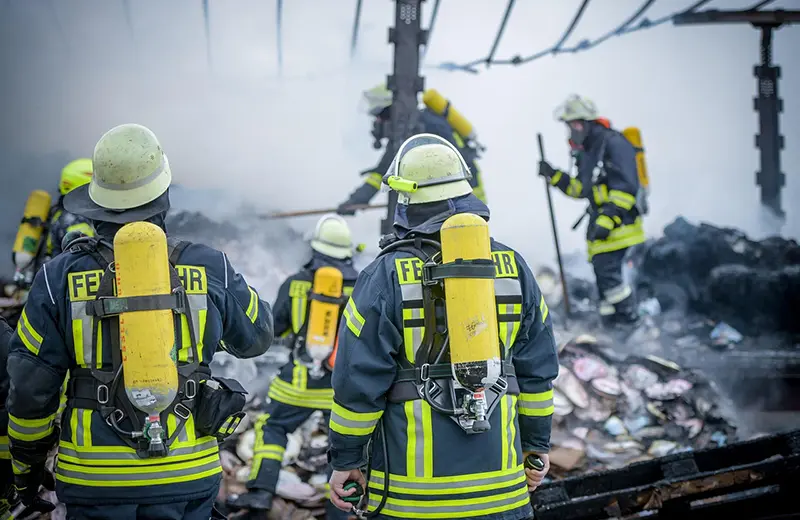
Integrating 5G and satellite failover links ensures uninterrupted telemetry in remote regions or dense urban settings. Mesh networking features will allow multiple drones to cooperate dynamically, adjusting search paths autonomously during large-scale rescue missions.
Explore our complete hardware lineup for industrial applications, public safety, and precision mapping projects across India.
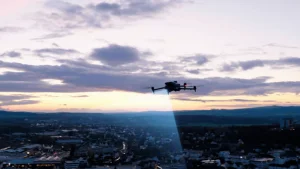
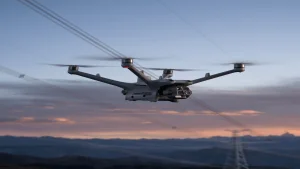
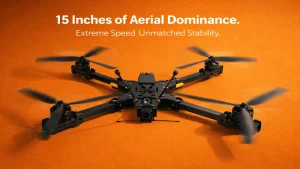
Our leadership team brings together decades of expertise in aerospace design, computer vision, local logistics compliance, and customer success.
Former industrial UAV product lead; coordinates product design, system standardization, and strategic partnerships.
Computer vision & autonomous flight researcher, specialized in sensor fusion, visual defect tracking, and decision engines.
Leads operational localization, flight academy certifications, and enterprise deployment across South Asia and MENA markets.
Aerospace structural and electrical engineer focusing on structural stress test standards, payload interfaces, and EMI shielding.
Focuses on model training and fleet flight orchestration to improve detection accuracy and target identification.
Manages regional marketing programs, partner relationships, and localized service networks in LATAM and South Asia.
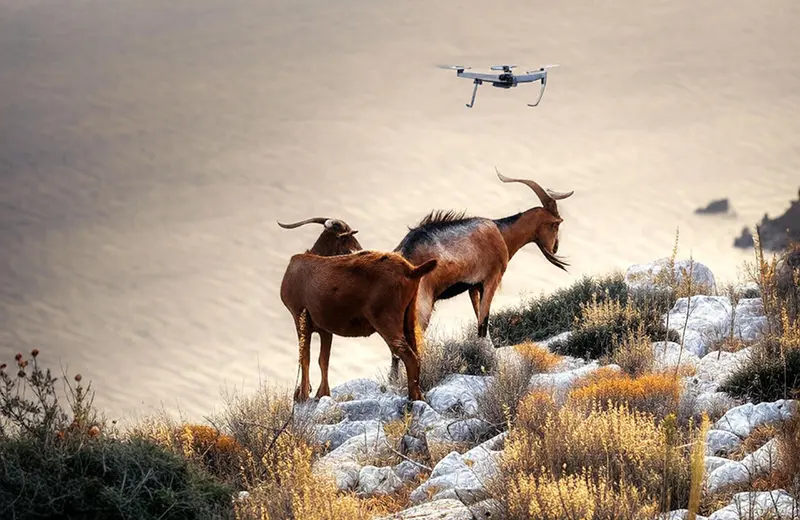
Our specialized divisions address target segments across public safety, agriculture, infrastructure inspection, and regional forestry.
Find answers to key technical, regulatory, and logistics questions about our Mumbai operations.
Discuss your specific project requirements, DGCA compliance configuration, or request a localized product demonstration with our engineering team in Mumbai.
Send Inquiry Now UUUFLY