Industrial components and UAV packages designed for professional mission execution and automation.
For agricultural conglomerates, precision spraying collectives, and industrial enterprise dealers, purchasing the Agras T50 represents a significant capital allocation. As one of the most advanced crop protection platforms in the global market, understanding the factory price dynamics, supply chain structures, and manufacturer integrations is critical to maximizing return on investment (ROI).
The price of the Agras T50 is not a singular retail figure. Rather, it is determined by a layered hierarchy of configurations, trade conditions, and regional support infrastructure. A standard procurement invoice from direct channels typically includes:
FOB (Free On Board) and CIF (Cost, Insurance, and Freight) pricing from original equipment manufacturing (OEM) clusters in mainland China are influenced heavily by bulk volumes. Standard pricing models scale progressively: single demo unit trials sit at standard retail pricing, while container-load volumes of 10 to 50 units unlock wholesale margins reserved for domestic factory direct distributors.
We turn drones from tools into infrastructure, enabling the global low‑altitude economy with engineering rigor and compliance.
UUUFLY builds repeatable, traceable, and compliant UAV systems through integrated innovation across hardware, algorithms, and data operations. We close the loop of Discover → Decide → Execute → Trace for power, agriculture, and smart‑city customers, delivering measurable aerial productivity at scale.

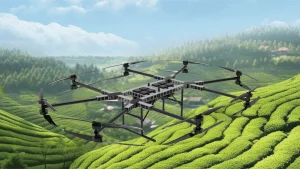
The technical architecture of the Agras T50 pushes the envelope of modern agricultural aviation engineering. Designed to address the limitations of prior generations, the T50 integrates advanced electronics, materials science, and fluid dynamics into a unified payload-delivery ecosystem.
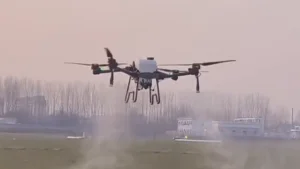
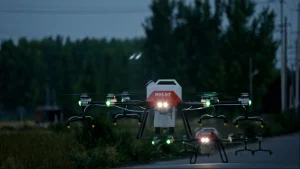
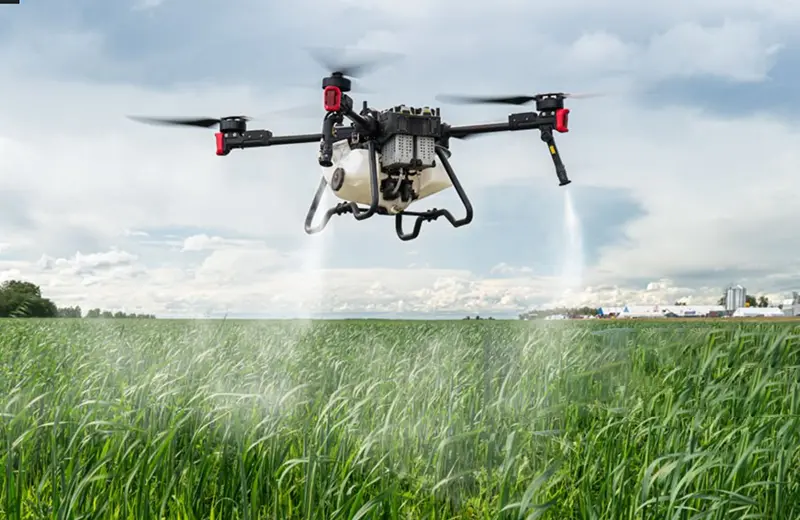
The Agras T50 features a coaxial twin-rotor design, which generates an optimized downwash wind field. This aerodynamic force ensures that droplets are pushed deep into the crop canopy, maximizing coverage on the undersides of leaves and reducing drift. The dual centrifugal atomization system offers real-time adjustment of droplet size (from 50 to 500 microns), allowing operators to switch seamlessly between herbicides, fungicides, and foliar fertilizers depending on the exact botanical profile of the target field.
The sensor package on the Agras T50 represents the pinnacle of civilian UAV safety systems. Utilizing a dual-radar arrangement consisting of an Active Phased Array Radar at the front and a rear-facing radar, combined with binocular vision sensors, the T50 constructs a real-time 3D spatial map of its environment. This system enables precise terrain following on slopes of up to 50 degrees and dynamic obstacle avoidance, bypassing utility poles, trees, and guide wires without operator intervention.
To scale these capabilities, UUUFLY's technology roadmap integrates platforms like the Agras T50 with proprietary cloud scheduling pipelines. Our core capabilities include: dual‑spectrum defect detection (power inspection), multispectral sensing & variable spraying (precision agriculture), 0.05‑m 3D mapping (smart city), autonomous routes & fleet scheduling (scaled operations), and an end‑to‑end edge‑to‑cloud data pipeline (governance & compliance).
As the agricultural industry shifts towards fully autonomous operations, the future of the Agras series will lean heavily on edge-computing artificial intelligence and hydrogen hybrid energy platforms. Real-time weed identification models, processed directly on the drone's flight control computer, will enable spot-spraying down to the individual plant level, saving up to 80% on chemical usage. Furthermore, hydrogen fuel cell experiments show promise in extending flight times to several hours, effectively eliminating the current operational bottlenecks of battery cycling.
Enabling automated flight workflows, high-precision payloads, and robust edge data processing across industrial sectors.
With millimeter‑level positioning and encrypted video links, combined with dual‑spectrum defect detection and AI target recognition, defect discovery efficiency improves by about 40%. Defect detection reaches 99.7% in multiple grid pilots. Charging compatible to 80% in 30 minutes.
Multispectral payloads and AI analytics enable early diagnosis of pests and diseases with 98% accuracy. Variable spraying reduces pesticide use by roughly 30%. High-efficiency corrosion-resistant tanks cover 200+ mu (~16 acres) per flight, reducing overall operating costs by 20-30%.
Combining LiDAR with oblique photogrammetry delivers 0.05‑m 3D mapping, accelerating modeling 5× faster and reducing costs by 60%. Features GDPR-compliant encrypted transmission and 5G real-time analytics to boost urban planning efficiency by around 300%.
The platform provides autonomous routes, fleet scheduling, mission orchestration, and an edge‑to‑cloud pipeline. Open APIs and secure message buses integrate seamlessly with enterprise databases to build observable low‑altitude aerial networks.
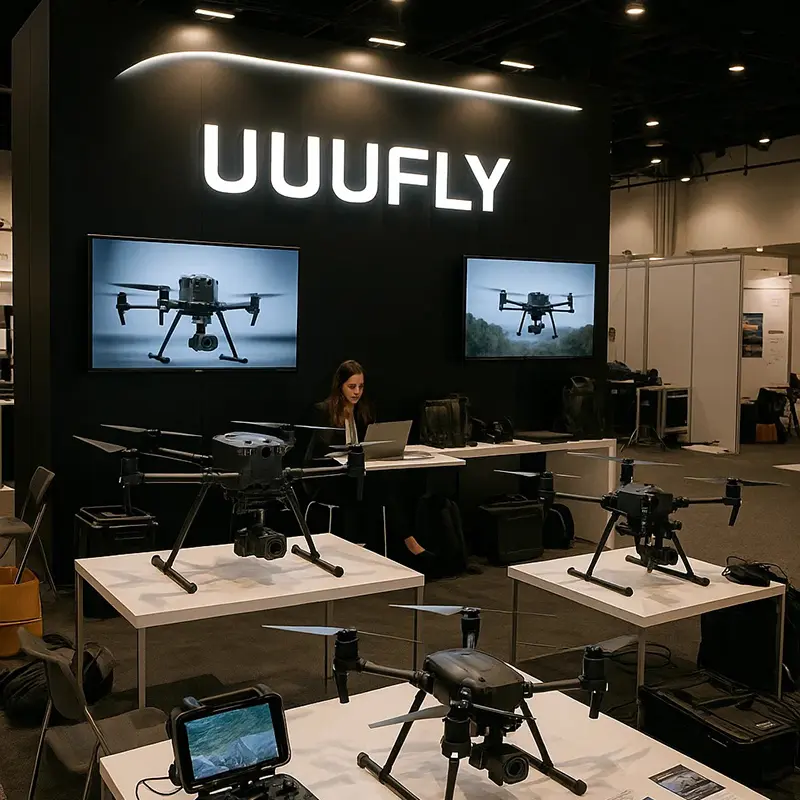
The manufacturing cluster located in the Guangdong-Hong Kong-Macao Greater Bay Area serves as the production epicenter for modern drone technology. Understanding why these factories dominate the market explains the price advantage available to global enterprises.
Unlike regional assembly operations in other parts of the world, Shenzhen and surrounding high-tech hubs house the entire drone supply chain within a 50-kilometer radius. Carbon fiber weave facilities, lithium-ion battery chemists, sensor fabricators, and microcircuit board printing shops work in tandem. This proximity reduces transit latency, optimizes material flow, and mitigates external logistics shocks.
Modern Chinese UAV factories utilize automated optical inspection (AOI) machines, computerized motor testing benches, and simulated climate chambers to stress-test airframes under extreme wind, moisture, and temperature fluctuations. The resulting component reliability is a primary reason why enterprise customers can depend on consistent field performance.
Acquiring agricultural drones at scale requires a clear understanding of international commerce pathways and system integrations. Large farming collectives, regional crop service franchises, and local government programs can optimize their purchasing procedures through systematic steps:
Google's Search Quality Rater Guidelines emphasize Experience, Expertise, Authoritativeness, and Trustworthiness (E-E-A-T). When sourcing Agras T50 fleets, verifying factory credentials through verifiable trade records, ISO certifications, and third-party safety assessments is essential. A reputable manufacturing source will provide extensive documentation, transparent component tracing, and robust data safety frameworks.
Bridging the gap between raw hardware manufacturing and compliant, localized enterprise deployment.
Over 500k+ core components shipped, 300+ enterprise customers, and active deployments in 30+ global cities with high contract renewal rates. Our systems are tested across diverse operational environments.
Aerospace-grade structural design, EMC/EMI shielding, redundant data link architectures, and physical components built to withstand prolonged industrial field operations under harsh weather patterns.
24/7 multilingual customer success departments (supporting English, Chinese, Japanese, Russian, French, Spanish, and Arabic) across diverse industry applications.
All hardware complies with CE, FCC, and RoHS standards. Operational and control channels are secured using AES‑256 encryption, complemented by local data storage structures to preserve sovereignty.
Open APIs, standard payload hardware interfaces, and direct integration options ensure that new fleets connect smoothly to existing corporate databases and fleet management software.
Bringing together aerospace design, advanced computer vision, and global operations expertise.
Former industrial UAV product lead; drives product architecture, standardization, and ecosystem partnerships.
Computer vision & autonomy specialist focusing on sensor fusion, target detection, and mission decision systems.
Drives localization, operational compliance, and partner-led delivery across the Middle East, Pakistan, and Central Asia.
Aerospace & electrical engineer focusing on payload structural integration, EMC/EMI shielding, and structural reliability design.
Leads deep learning model training and cloud-based mission orchestration to optimize detection accuracy.
Drives global localization, branding, and partner‑led implementation strategies across Latin America and MENA.
Deploying heavy agricultural unmanned aerial vehicles (UAVs) requires strict adherence to regional aviation regulations. The Agras T50, with its substantial payload capacity and weight profile, must be managed with local rules in mind:
In many regions (such as the FAA under Part 107 in the United States, or EASA regulations in Europe), drones weighing over 25 kilograms require specific operational waivers or exemptions. Factory suppliers must provide the necessary technical data, structural test certificates, and telemetry layouts to support local regulatory applications.
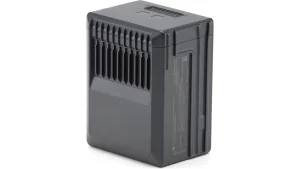
The DB1560 intelligent flight batteries are classified as Class 9 Dangerous Goods under international transport guidelines. Sourcing these batteries from overseas factories requires certified UN38.3 test packaging, ocean freight logistics expertise, and compliance with local customs requirements. Choosing a partner with a structured logistics network helps prevent delays at port facilities.
Modern farming systems generate detailed field maps, yield records, and thermal signatures. For state-managed agricultural initiatives or defense-adjacent installations, keeping data within local borders is critical. UUUFLY provides options for on-premises server installations and encrypted local data storage to ensure security and compliance.
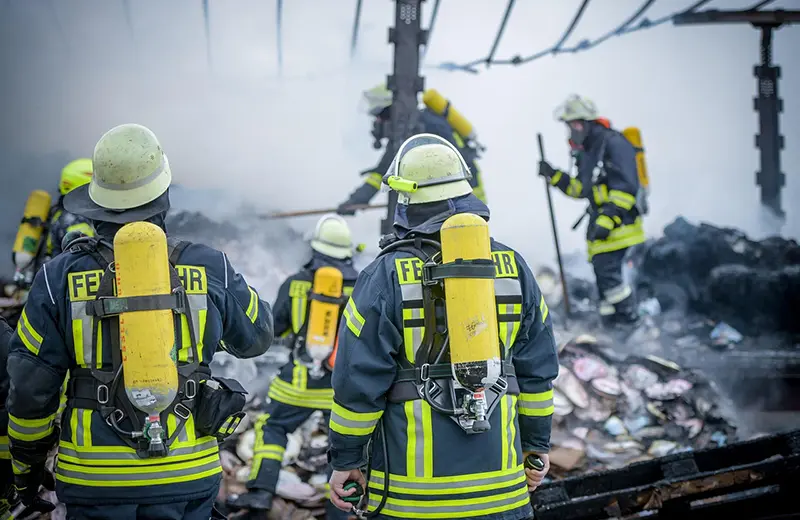
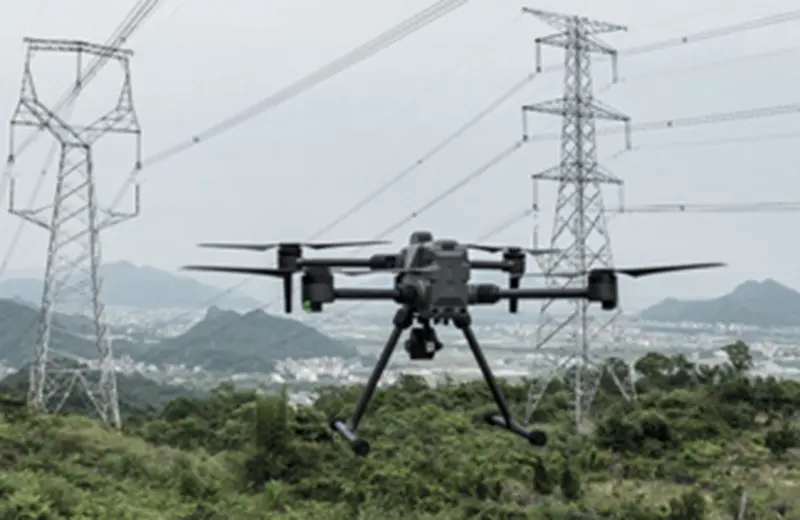
Providing specialized solutions across public safety, power grids, construction, conservation, and agriculture.

Expert answers addressing the primary concerns of enterprise agricultural drone buyers.
High-efficiency flight platforms, docking stations, and charging systems for specialized operations.
 UUUFLY