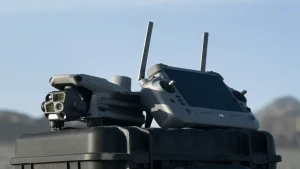
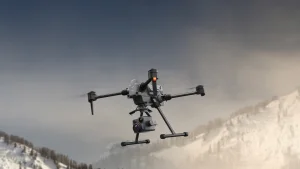
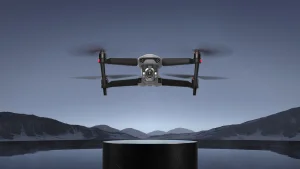
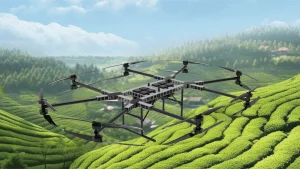
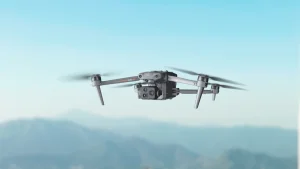
Deploy industry-vetted airframes configured for high-performance optical and thermal surveillance.
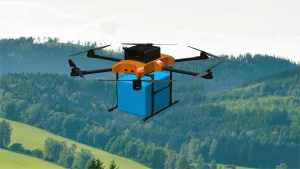
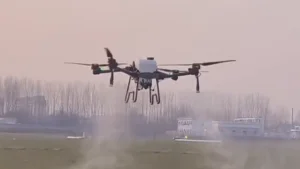
In the rapidly transforming low-altitude economy, unmanned aerial vehicles (UAVs) equipped with thermal infrared (IR) sensors are no longer novel accessories; they are vital, structural infrastructure. As global industries demand higher levels of operational safety, compliance, and speed, the integration of radiometric thermal imaging, uncooled microbolometers, and dual-spectrum sensors has emerged as the definitive path to automated asset management. Commercial enterprises and government entities utilize infrared-equipped UAVs to diagnose anomalies, conduct search and rescue operations, monitor structural failures, and run precision agricultural routines that are impossible with standard RGB cameras alone.
This whitepaper details the architectural, optical, and operational standards required to successfully deploy customizable thermal UAVs at scale. By examining the structural advantages of integrated component ecosystems, software compliance frameworks, and manufacturing pathways, procurement officers and technology directors can establish clear benchmarks for supplier evaluation and payload customization.
We turn drones from tools into infrastructure, enabling the global low-altitude economy with engineering rigor and compliance.
At UUUFLY, we build repeatable, traceable, and compliant UAV systems through integrated innovation across hardware, algorithms, and data operations. We close the operational loop of Discover → Decide → Execute → Trace for power grid operators, precision agricultural conglomerates, and smart-city stakeholders, delivering measurable aerial productivity at scale.
Our core engineering capabilities include:

Explore our custom integrations across four critical economic pillars.
Utilizing millimeter-level RTK positioning, encrypted dual-spectrum payloads, and edge AI target recognition, we enhance defect discovery rates by 40%. Our carbon-fiber reinforced bodies and IP67 propulsion systems deliver resilient, autonomous patrols, maintaining a verified 99.7% defect detection rate across power grids.
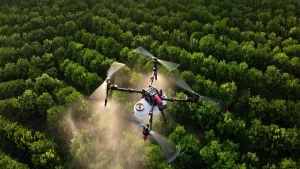
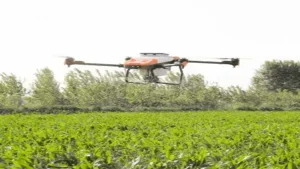
We deploy integrated multispectral payloads and intelligent analytics to achieve up to 98% accuracy in early pest detection. Our corrosion-resistant tanks, smart flow valves, and high-discharge 50Ah battery packs reduce chemical and fertilizer waste by 30%, treating over 200+ mu (~16 acres) per single charge.
Combining advanced LiDAR sensors with high-resolution oblique photogrammetry, our setups generate hyper-detailed 0.05-meter 3D models. The system increases processing speed by 5x and cuts collection costs by 60%. Equipped with 5G-linked hardware, all telemetry transmits via secure, GDPR-compliant routes.
Manage remote fleets with our unified ground control software, offering real-time mission orchestration, route plotting, and an automated edge-to-cloud data pipeline. Developers can integrate with custom ERP platforms using our standardized Webhook architecture and Open APIs.
Procuring custom infrared UAVs requires a reliable, agile supply chain that can quickly turn engineering designs into physical hardware. By partnering with UUUFLY, you gain access to the unmatched advantages of the world's most integrated UAV cluster located in China. This ecosystem consolidates components, manufacturing, and development within a highly localized area, reducing lead times and prototyping costs.
As governments and global institutions establish strict rules for low-altitude airspace, custom UAV systems must meet both high performance standards and rigorous regulatory requirements. UUUFLY builds and documents all aircraft with compliance at the core of our operations.
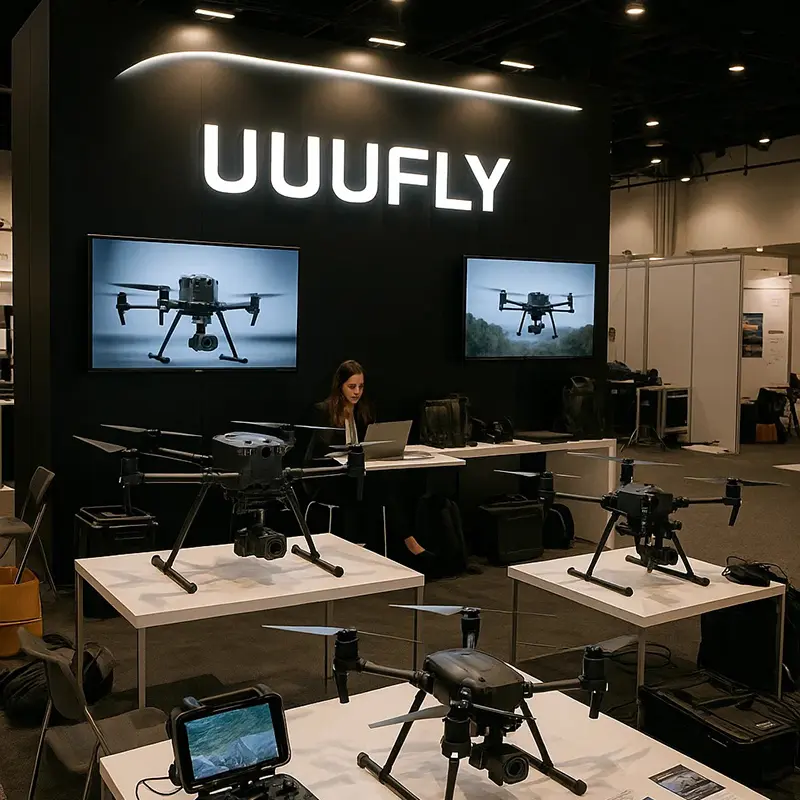
We provide a reliable platform for custom infrared and industrial UAV procurement, built on field-tested performance and engineering rigor.
Meet the engineers, software architects, and industry experts behind UUUFLY's technology platform.
Former industrial UAV product lead. Gordon drives UUUFLY's overall product architecture, global standard alignment, and strategic ecosystem partnerships.
Specialist in computer vision and machine autonomy. Dr. Li manages our sensor fusion programs, automatic target acquisition systems, and edge algorithms.
Ken oversees regional field engineering, localized systems training, and deployment operations throughout the Middle East, Central Asia, and Eastern Europe.
Aerospace and electrical engineer. Alex directs structural layout, carbon fiber composite testing, EMI/EMC compliance, and physical sensor integrations.
Dr. Zhao leads model training, deep neural network optimization, and target classification pipelines for real-time anomaly detection.
Ivy handles regional compliance, localization strategy, and customer success networks for our growing enterprise partner network in LATAM and MENA.
Explore our custom infrared and industrial UAV configurations deployed in real-world scenarios.
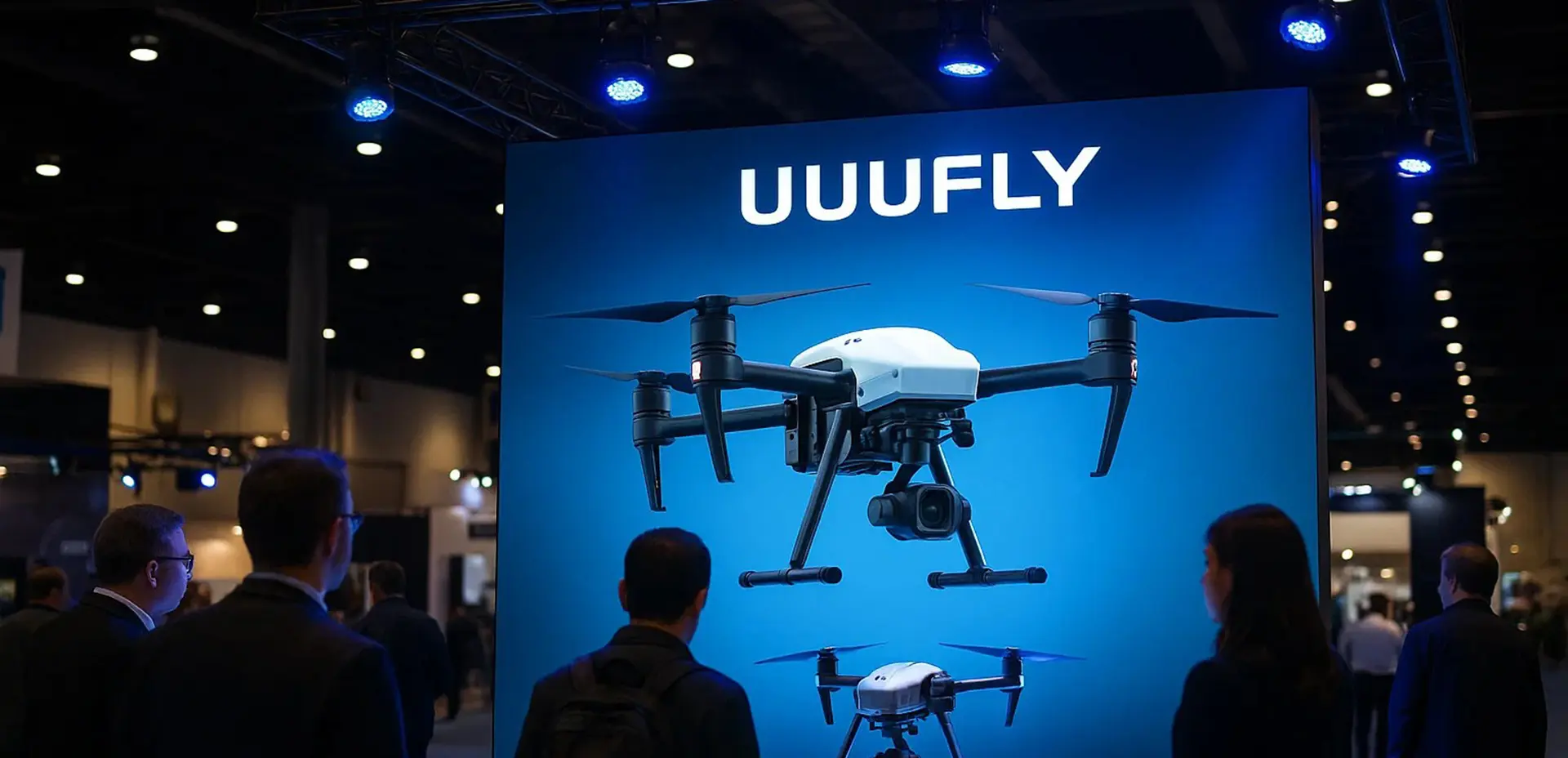

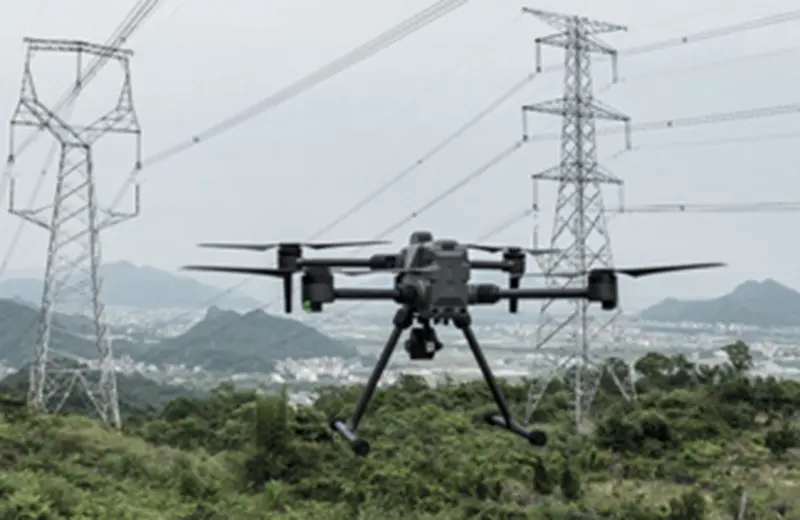

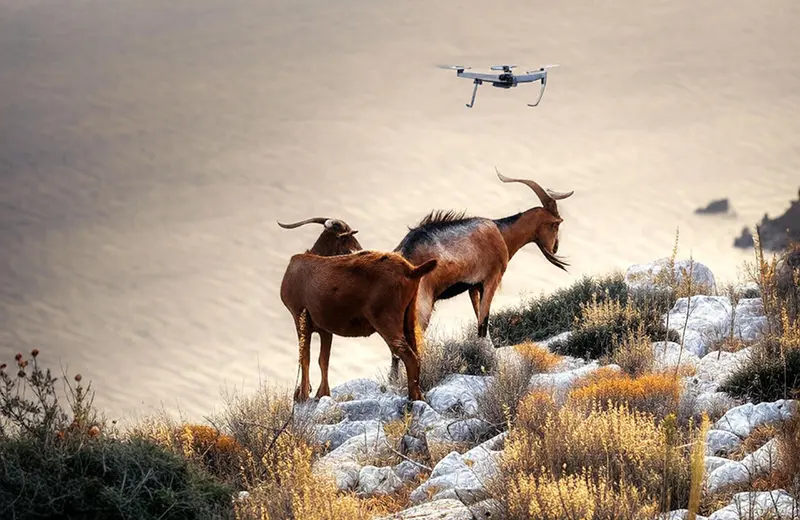
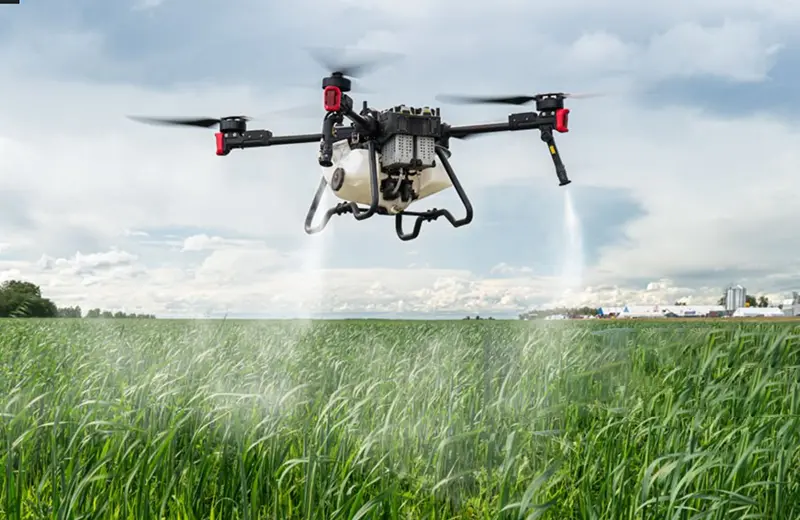
The technical standards for thermal UAVs are evolving quickly, driven by advancements in sensor resolution, machine learning integration, and localized aviation compliance frameworks. Organizations investing in high-end thermal imaging platforms must monitor these key developments to keep their fleets relevant for future missions:
1. Edge AI and Automated Thermal Diagnostics: Modern operations are moving away from manual post-flight review. Next-generation systems run real-time anomaly detection models directly on the aircraft's edge computer, immediately flagging hot spots on solar panels, damaged insulators on power lines, or heat signatures during search and rescue missions.
2. Multi-Sensor Payload Integration: The standard dual-spectrum payload (EO/IR) is expanding to include high-resolution LiDAR, gas detection sensors (such as OGI for methane leaks), and multispectral cameras. Standardized quick-release mounts allow operators to swap payloads in the field to match changing mission requirements.
3. Advanced Power and Extended Endurance: While lithium-polymer (LiPo) cells remain the standard for smaller aircraft, heavy-lift and long-range missions are shifting toward hybrid gas-electric engines and hydrogen fuel cells. These power systems extend flight times from 40 minutes to over 3 hours, enabling efficient large-scale grid inspections and broad-area search operations.
Common questions regarding customization, payload integrations, and logistics.
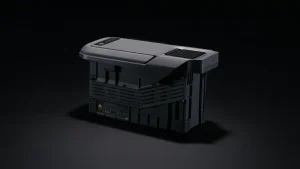
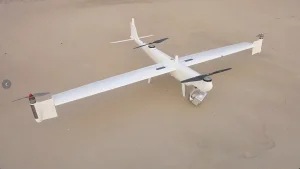
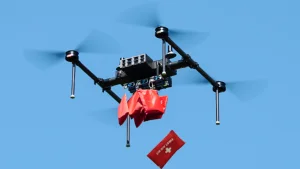
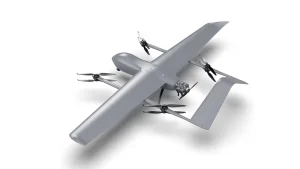
Deployable payload options, smart batteries, and modular commercial aircraft platforms.
 UUUFLY