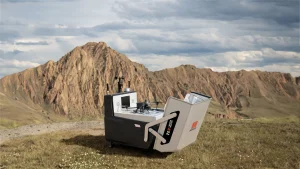
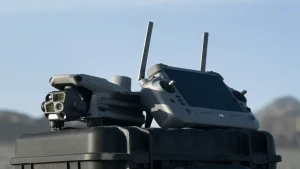
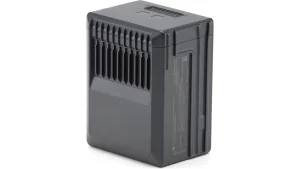
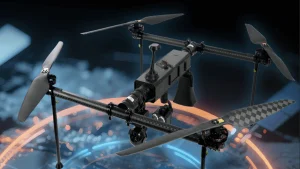
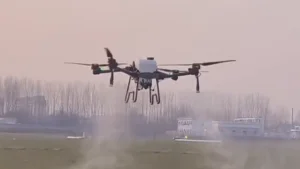
Explore our leading industrial drones, intelligent dock kits, specialized payload solutions, and enterprise flight battery components.
A technical analysis of payload architectures, heavy-duty configurations, and international integration protocols.
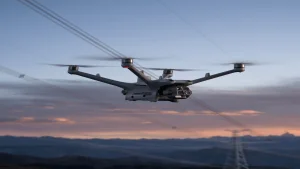
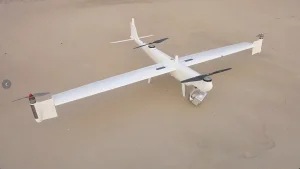
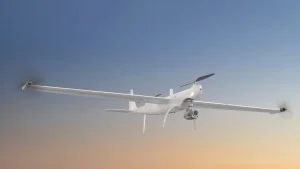
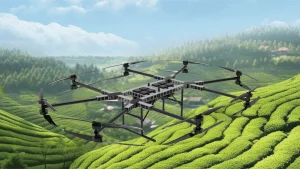
The global industrial drone sector is transitioning from light monitoring applications to heavy-payload execution systems. At the forefront of this shift is the R150 system architecture, which has emerged as the standard configuration for multi-rotor and hybrid VTOL unmanned aerial vehicles (UAVs) that require maximum stability and modular compatibility. Originally defined as a rigid, carbon-fiber reinforced structural chassis with a 1500mm-class motor wheelbase, the R150 platform now represents a comprehensive ecosystem of motor control systems, high-efficiency ESCs (Electronic Speed Controllers), and variable payload hubs.
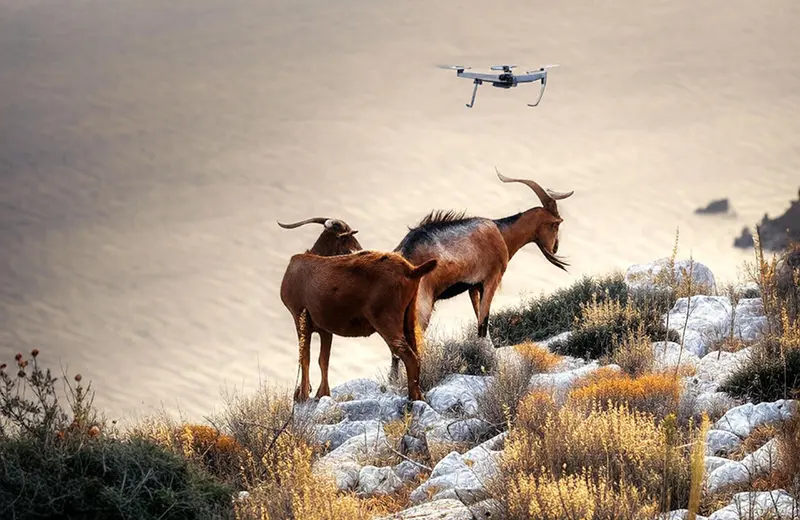
Worldwide, engineering and logistics consortia are adopting custom R150 platforms to carry high-weight sensors like thermal dual-spectrum payloads, oblique photogrammetry matrices, and airborne LiDAR. The strength of the R150 platform lies in its torque-to-weight optimization. With modern carbon-fiber composites and customized brushless DC motor setups, the R150 is capable of maintaining stable flight parameters even in wind speeds up to 15 m/s (Beaufort Scale 7), making it an indispensable asset in offshore wind inspections, critical mountain rescue operations, and high-altitude agricultural spraying campaigns.
Enterprise procurement teams in North America, Europe, and Asia face unique challenges when searching for reliable Custom R150 Suppliers and Factories. Navigating electromagnetic compatibility (EMC/EMI) certifications, export regulations, customs classification codes, and regional radio frequency (RF) standards requires deep expertise. Industrial clients no longer buy generic, off-the-shelf systems. They need customized telemetry links, secure communication protocols like AES-256 encryption, customized mounting brackets, and specialized landing gear configurations. Partnering with a factory that can provide engineering design for manufacturing (DFM) support is critical to long-term operational success.
China's drone manufacturing ecosystem, centered in the Guangdong-Hong Kong-Macao Greater Bay Area, provides unparalleled supply chain density. When producing the R150 drone platform, this density translates directly into speed and cost advantages.

We turn drones from tools into infrastructure, enabling the global low-altitude economy with engineering rigor and compliance.
UUUFLY builds repeatable, traceable, and compliant UAV systems through integrated innovation across hardware, algorithms, and data operations. We close the loop of Discover → Decide → Execute → Trace for power, agriculture, and smart-city customers, delivering measurable aerial productivity at scale.
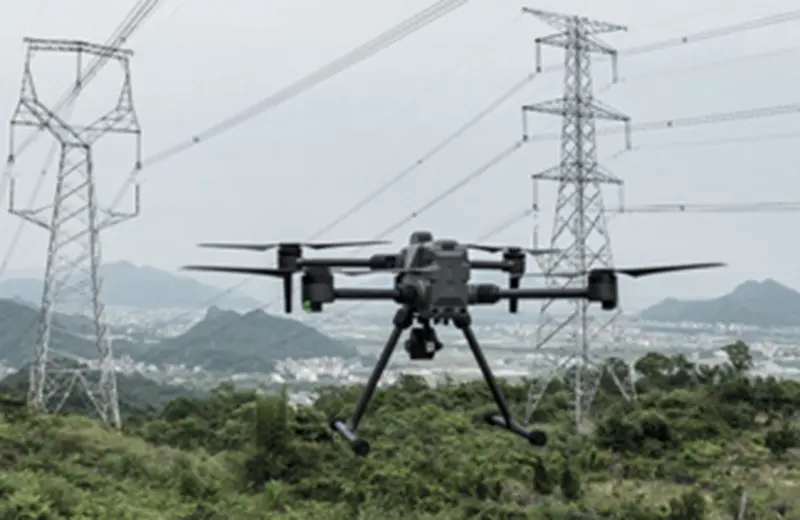
Our core capabilities include: dual-spectrum defect detection (power inspection), multispectral sensing & variable spraying (precision agriculture), 0.05-m 3D mapping (smart city), autonomous routes & fleet scheduling (scaled operations), and an end-to-end edge-to-cloud data pipeline (governance & compliance).
Millimeter-level positioning and encrypted video links combined with dual-spectrum defect detection and AI target recognition improve discovery efficiency by 40%. Fast-charge systems reach 80% in 30 minutes, while carbon-fiber components and IP67 motors guarantee reliability in complex grids, showing a 99.7% defect detection rate.
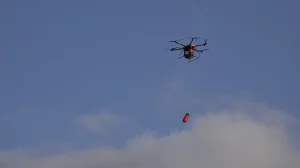
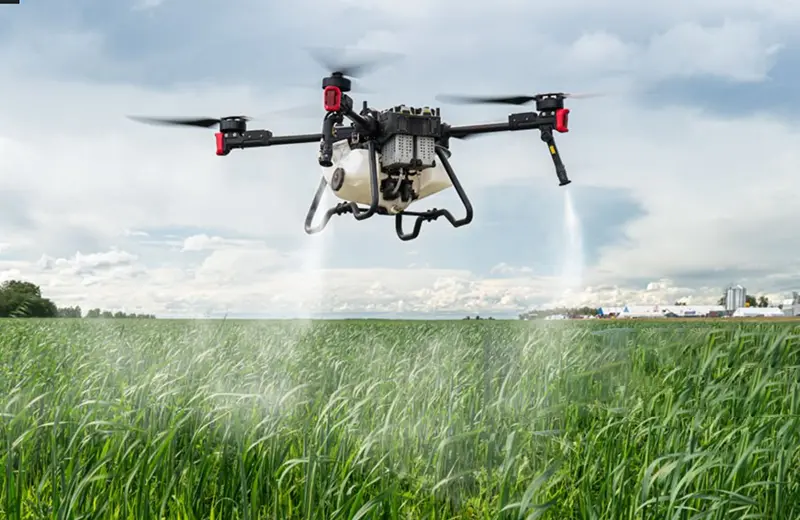
Multispectral payloads and AI analytics enable early pest and disease diagnosis with 98% accuracy. Variable spraying systems reduce chemical consumption by 30%. Equipped with 50Ah high-capacity batteries and corrosion-resistant tanks, single flights cover 200+ mu (≈16 acres), dropping operational costs by 20-30%.
Integrating LiDAR with oblique photogrammetry delivers 0.05-m 3D mapping, accelerating modeling speeds by 5x and reducing costs by 60%. Combined with GDPR-compliant transmission and 5G networks, our pipeline boosts municipal planning efficiency by 300%.
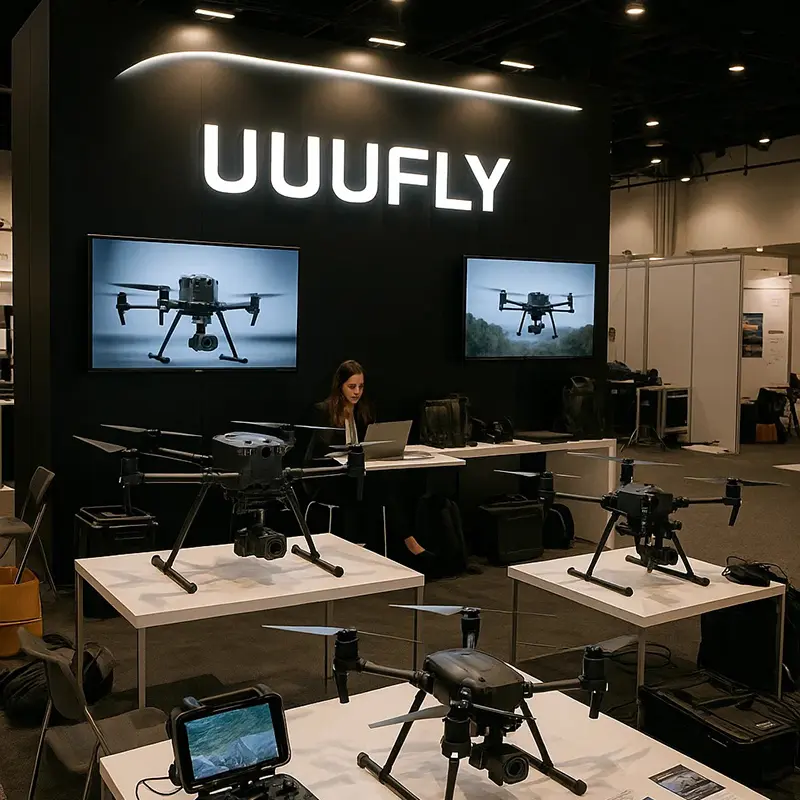
Combining aerospace engineering, computer vision, and global operations to design compliant UAV infrastructure.
Engineered for compliance and deployment across energy grids, forestry mapping, agricultural systems, and civil safety.


An authoritative look into AI Edge Compute, Solid-State Energy, and 5G Mesh Communication networks.
The industrial UAV field is undergoing a massive transformation, driven by three major technological trends. First is the transition to solid-state battery chemistry, which is gradually replacing traditional Lithium-Polymer (LiPo) configurations. Solid-state packs provide up to 40% higher energy density per unit weight, extending the flight window of R150 platform systems from 45 minutes to over 75 minutes under load. Second is the integration of 5G mesh networks, enabling real-time command routing that bypasses localized radio interference. Finally, AI Edge Computing empowers payloads to identify structural and thermal issues instantly on-device, uploading only validated targets rather than gigabytes of raw, redundant video.
Furthermore, the push for environmental sustainability is accelerating the testing of hydrogen fuel cells. These hybrid energy systems combine hydrogen compression modules with battery packs to offer unparalleled flight ranges, paving the way for autonomous green logistics networks in isolated terrains.
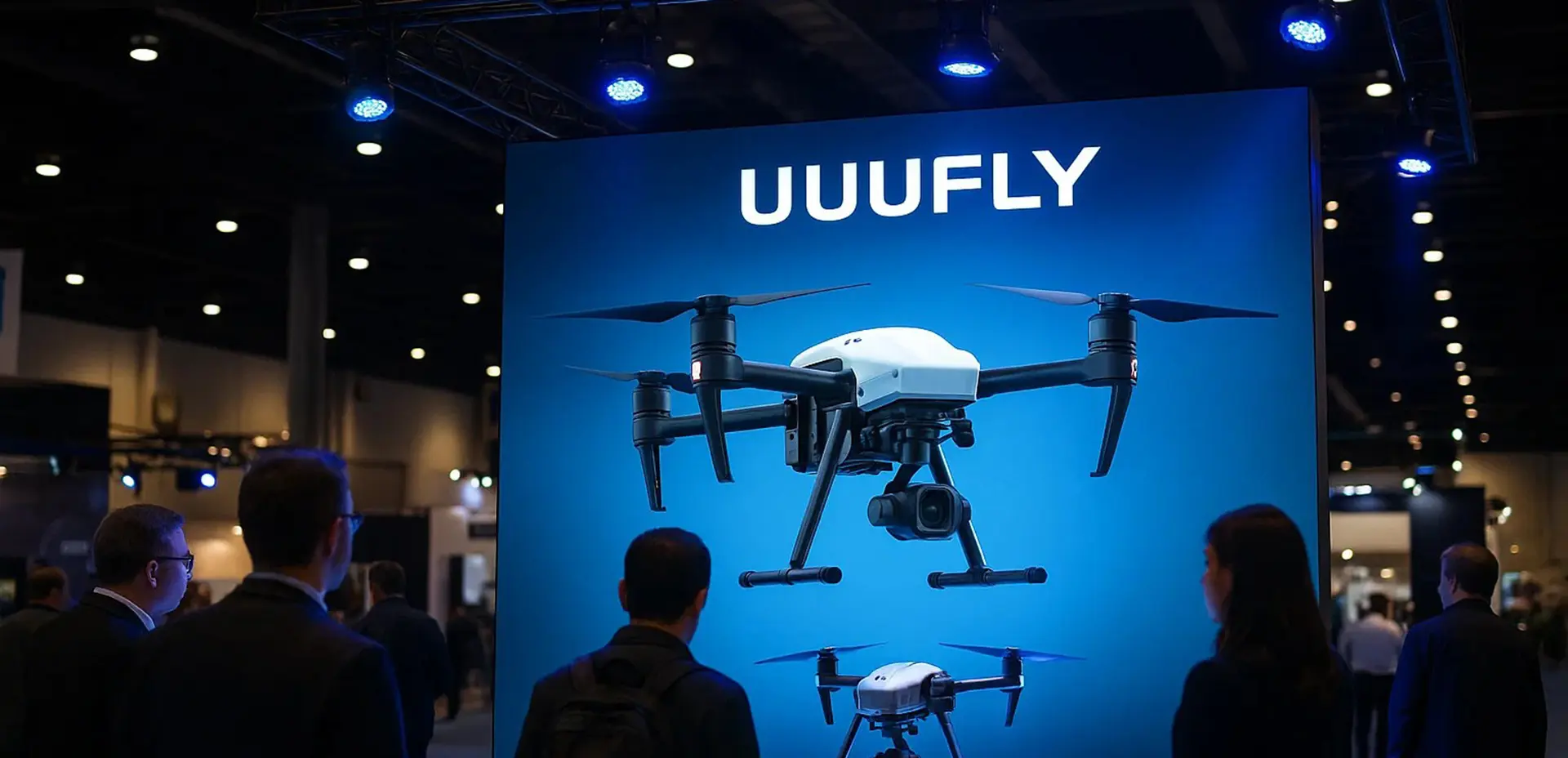
To become the core infrastructure provider for the global low-altitude economy. We will keep integrating 5G, AI and hydrogen energy to drive standardized, intelligent and green aerial operations, ensuring our customers always benefit from cutting-edge developments in vertical aircraft structural efficiency and system reliability.
Direct technical answers addressing the core questions of enterprise UAV engineering directors and procurement officers.
Explore our multi-mission eVTOL configurations, carbon-fiber sprayers, and advanced drone platforms.
 UUUFLY