Engineered for high-duty cycles, extreme marine winds, and sub-zero temperatures typical of British winter operations.

Navigating CAP 722 guidelines, CAA regulations, and harsh maritime climates with premium UAV integrations.
The UK low-altitude economy is undergoing a massive transformation, driven by the Civil Aviation Authority's (CAA) push towards BVLOS (Beyond Visual Line of Sight) flights and standard flight clearances under CAP 722 regulatory frameworks. High-stakes industrial applications—ranging from offshore wind turbine inspections in the turbulent North Sea to railway corridor mapping in Scotland—demand drone accessories that exceed base consumer specifications.
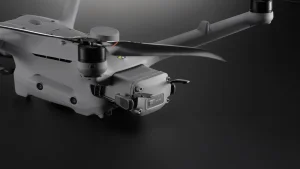
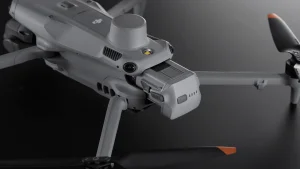
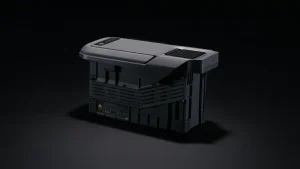
Operational reality in the UK is characterized by high humidity, low-temperature operations, and strict data sovereignty rules under the UK GDPR. Standard commercial drone equipment often struggles under these demanding conditions. Our engineering team designs customized DJI-compatible intelligent flight batteries (such as replacement units for the Matrice series and advanced docking hubs) that feature active thermal self-heating, IP67-rated ingress protection, and reinforced safety circuits.
By optimizing battery chemistry and enclosure design, we enable UK operators to maximize their flight windows in sub-zero highland winters and coastal storms, ensuring absolute operational continuity when performing critical infrastructure inspections.

Turning drones from simple tools into critical industrial infrastructure for the UK and global economies.
We turn drones from tools into infrastructure, enabling the global low‑altitude economy with engineering rigor and compliance.
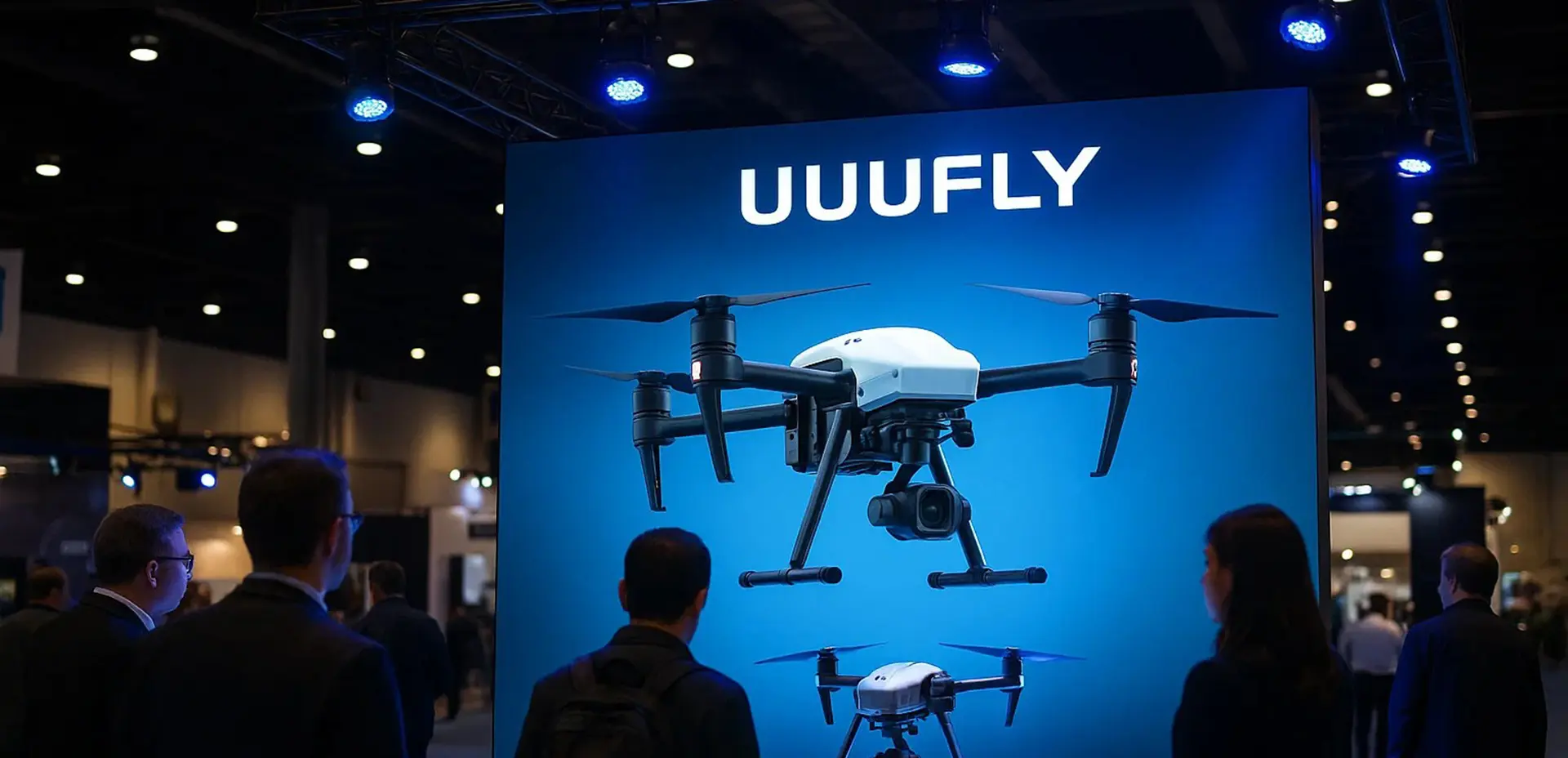
UUUFLY builds repeatable, traceable, and compliant UAV systems through integrated innovation across hardware, algorithms, and data operations. We close the loop of Discover → Decide → Execute → Trace for power, agriculture, and smart‑city customers, delivering measurable aerial productivity at scale.
Engineered for high-voltage power line inspection. High-contrast thermal imaging paired with visual cameras resolves structural and thermal anomalies instantly.
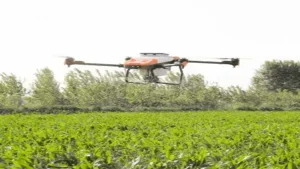
Supports multispectral payload integration for modern precision agriculture and forestry management, enabling high-resolution vegetation indexing.
Real-time telemetry, automated pathing, and secure payload pipelines linking field drone platforms to corporate dispatch networks.
Operational metrics and case scenarios utilizing customized hardware in British industries.
Equipped with millimeter‑level positioning and encrypted video links, combined with dual‑spectrum defect detection and AI target recognition, defect discovery efficiency improves by about 40%. Autonomous patrols and emergency response remain reliable in complex environments. Our fast‑charge system is compatible with mainstream fleets (80% in 30 minutes), and carbon‑fiber propellers with IP67 motors cover most models. In multiple grid pilots, defect detection reached 99.7%.
UK Application: Used by transmission system operators for substation thermal scanning and powerline structural analysis across England, Wales, and Scotland, bypassing heavy rain interferences.
Multispectral payloads and AI analytics enable early diagnosis of pests and diseases (about 98% accuracy). Variable spraying reduces pesticide use by roughly 30%, while a 50Ah battery and corrosion‑resistant tank allow a single flight to cover 200+ mu (≈16 acres). At scale, farms typically see 20–30% lower operating costs.
UK Application: Tailored for the expansive arable farms in East Anglia and Lincolnshire, optimizing fertilizer application rates amidst strict environmental regulations.
Combining LiDAR with oblique photogrammetry delivers 0.05‑m 3D mapping, making modeling about 5× faster and reducing cost by 60%. With GDPR‑compliant encrypted transmission and 5G for real‑time cloud analytics, our data underpins urban planning and digital‑twin programs, boosting planning efficiency by around 300% in typical projects.
UK Application: Local council land-surveying, redevelopment planning, and municipal asset management utilizing highly accurate point clouds.
The platform provides autonomous routes, fleet scheduling, mission orchestration, and an edge‑to‑cloud pipeline. Open APIs and message buses integrate seamlessly with enterprise systems to build a secure, observable low‑altitude network.
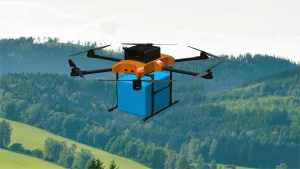
UK Application: Coastal monitoring, search and rescue support in rugged territories, and automated delivery networks operating under CAA trial corridors.

As a leading DJI accessories manufacturer, our production facility harnesses the full power of the Shenzhen-Dongguan electronics cluster. This allows us to maintain a completely secure, highly adaptable supply chain that guarantees consistent performance and product longevity.
Key advantages of our manufacturing integration include:
Core Components Shipped
Enterprise Customers
Global Cities Deployed
Inspection Accuracy
Combining structural safety, local data sovereignty, and strict manufacturing standards.
Our UAV hardware, battery structural designs, and RF communication modules undergo severe testing routines. Designed to mitigate EMC/EMI issues near high-voltage lines and telecommunications masts, they deliver reliable telemetry in challenging airspace.
We recognize the security requirements of our UK public sector and corporate clients. Our system elements are fully certified under CE, FCC, and RoHS, and we are working toward complete UKCA verification. Data routing relies on robust AES-256 encryption, supporting secure on-premises cloud infrastructure setups.
Operational applications spanning public safety, energy asset management, agriculture, and construction.

Thermal and optical search systems assisting Mountain Rescue and incident commanders in remote terrains.
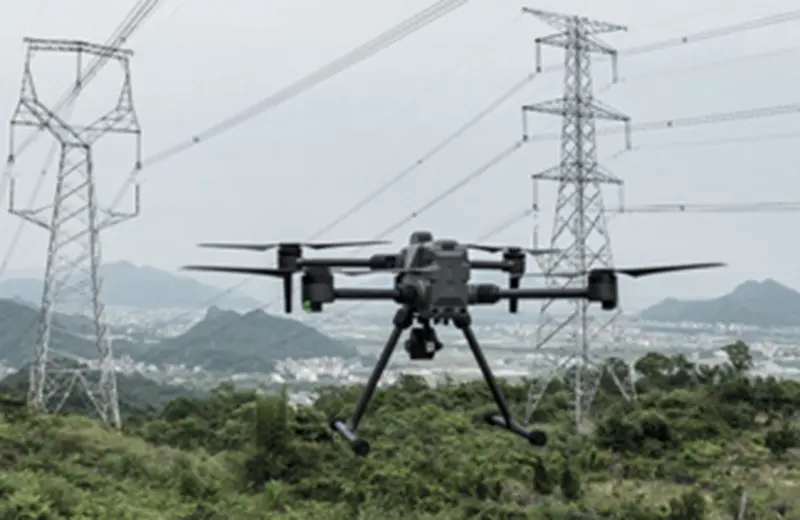
High-voltage power substation safety scanners and wind turbine inspection tools for remote operations.

LiDAR integration and thermal imaging targeting urban development programs and ecological management.
Where advanced material science meets autonomous UAV operation systems.
Our long-term development focuses on resolving the energy limitations and autonomous flight needs of commercial drones. By integrating advanced chemistry and networking protocols, we are actively shaping the future of drone operations in the UK and worldwide.
Combining expertise in aerospace engineering, machine learning, and global supply chains.
Former industrial UAV product lead; drives product architecture, standardization, and ecosystem partnerships.
Computer vision & autonomy specialist focusing on sensor fusion, target detection, and mission decision systems.
Drives localization and partner-led delivery across the Middle East, UK, and European regions.
Aerospace & electrical engineer focusing on payload integration, EMC/EMI, and structural reliability design.
Leads deep learning model training and mission orchestration to optimize detection accuracy and edge decisions.
Drives localization, trade regulatory compliance, and distributor network expansion across the UK and European markets.
Addressing common queries regarding custom DJI batteries, compliance, and industrial integration.
No. Our custom smart batteries (including replacement TB65 and Matrice series batteries) feature custom-engineered BMS units that interface seamlessly with DJI's native flight controllers. They transmit complete telemetry data—including cell health, temperature, and cycle counts—without triggering firmware mismatch errors.
Our batteries are built with integrated resistive heating elements. When ambient temperatures drop below 10°C, the internal heating circuit activates (using external charger power or minimal cell capacity) to warm the battery to its optimal operating temperature of 20°C before takeoff, maintaining stable voltage discharge curves.
Yes. All products developed for the UK market adhere to safety, health, and environmental requirements and undergo certifications including CE, RoHS, and FCC. We also provide full documentation to assist our customers with their CAA operational authorization applications under CAP 722.
Standard design configurations are processed and shipped within 15–20 business days. For specialized ODM designs (custom battery footprints, alternative connectors, or high-capacity casing), structural and electrical prototyping takes about 3–4 weeks, followed by certified safety testing.
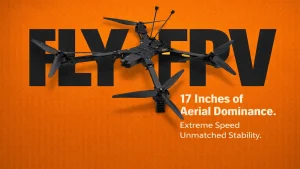
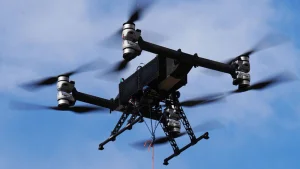
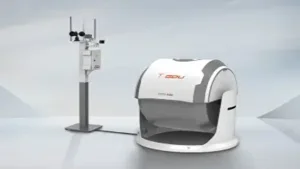
Explore our advanced agricultural drones, custom multirotors, and autonomous docking kits.
 UUUFLY