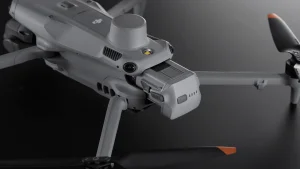
As Japan accelerates its integration of UAVs into the national skyways, the Osaka metropolitan zone and the wider Kansai region have emerged as primary proving grounds for next-generation drone logistics. Driven by the mandates of the Civil Aeronautics Act updates and preparations for high-density smart-city environments like Yumeshima Island, the requirement for robust, reliable, and compliant drone components has escalated dramatically.
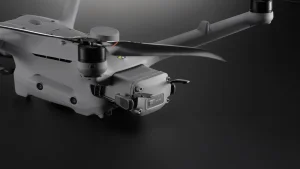
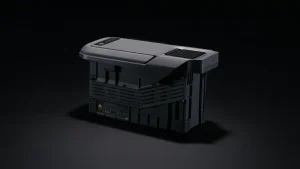
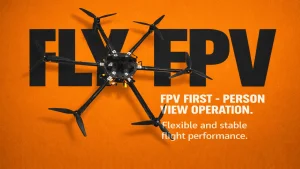
UUUFLY bridges the technology gap by delivering custom-engineered industrial batteries, high-efficiency autonomous docks, and specific-use payloads tailored to withstand Kansai's maritime atmospheric conditions. Our enterprise-grade solutions ensure that DJI fleets deployed for Osaka Bay logistics, infrastructure health checks, and municipal emergency responses maintain maximum flight time, zero link degradation, and bulletproof security.
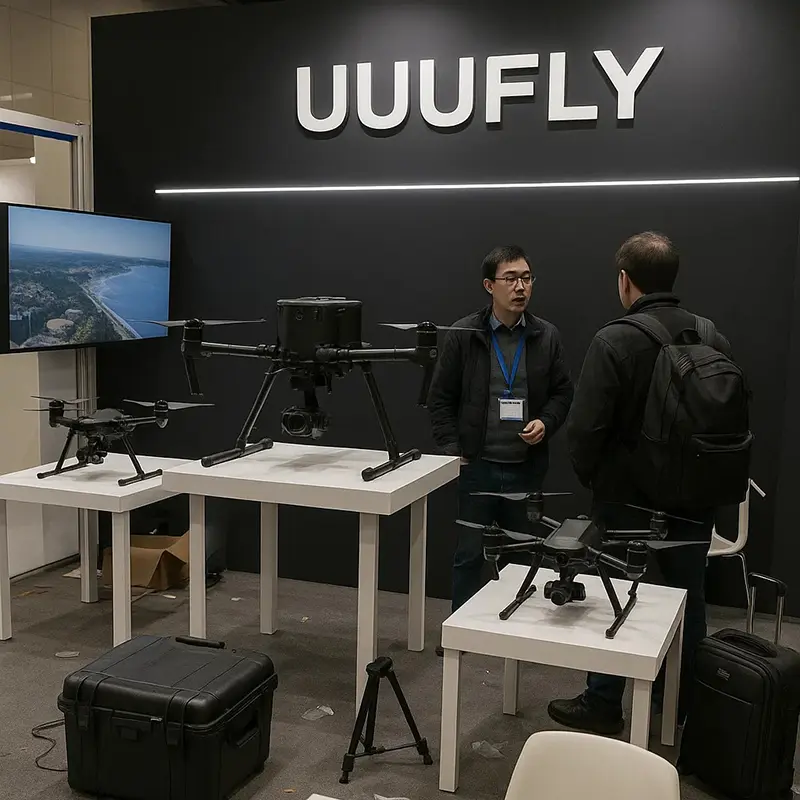
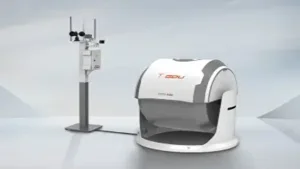
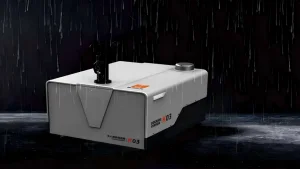
Continuous automated patrols over Osaka Port container yards. Utilizing our K03 autonomous docking stations, commercial operators maintain continuous airspace monitoring with automated battery swapping, ensuring zero blind spots.
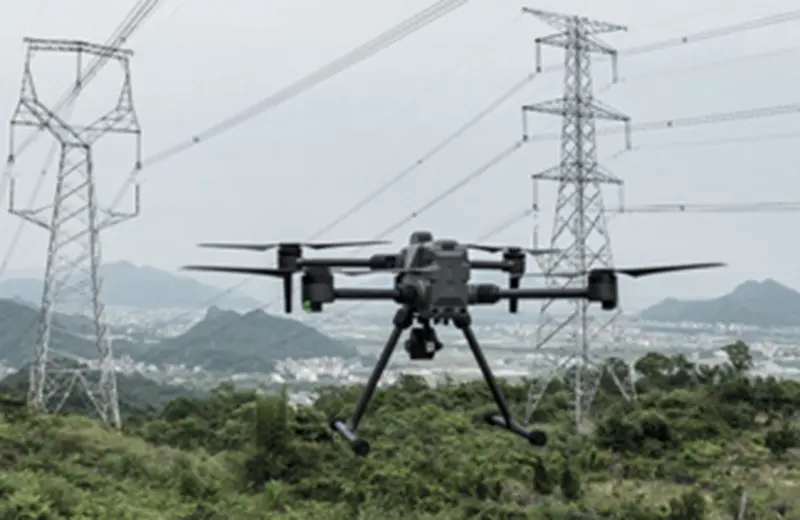
Navigating the dense electromagnetic fields of the Hanshin Industrial Zone. Our custom DJI-compatible battery modules feature high EMC shielding to prevent link degradation during high-voltage transformer and pylon scans.
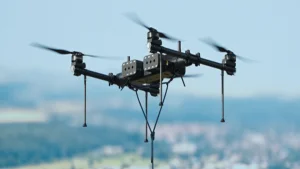
Enabling rapid mobilization during typhoons and seismic emergencies. Our heavy-payload systems and sub-zero resilient batteries ensure emergency responders can map storm damage across Osaka Prefecture without delayed startup times.
Powering the mapping drone fleets compiling centimeter-level 3D spatial models. Longer battery runtimes reduce overall mission times by up to 35% in highly restricted metropolitan airspace.
We turn drones from tools into infrastructure, enabling the global low‑altitude economy with engineering rigor and compliance.
UUUFLY builds repeatable, traceable and compliant UAV systems through integrated innovation across hardware, algorithms and data operations. We close the loop of Discover → Decide → Execute → Trace for power, agriculture and smart‑city customers, delivering measurable aerial productivity at scale.
Our core capabilities include: dual‑spectrum defect detection (power inspection), multispectral sensing & variable spraying (precision agriculture), 0.05‑m 3D mapping (smart city), autonomous routes & fleet scheduling (scaled operations), and an end‑to‑end edge‑to‑cloud data pipeline (governance & compliance).
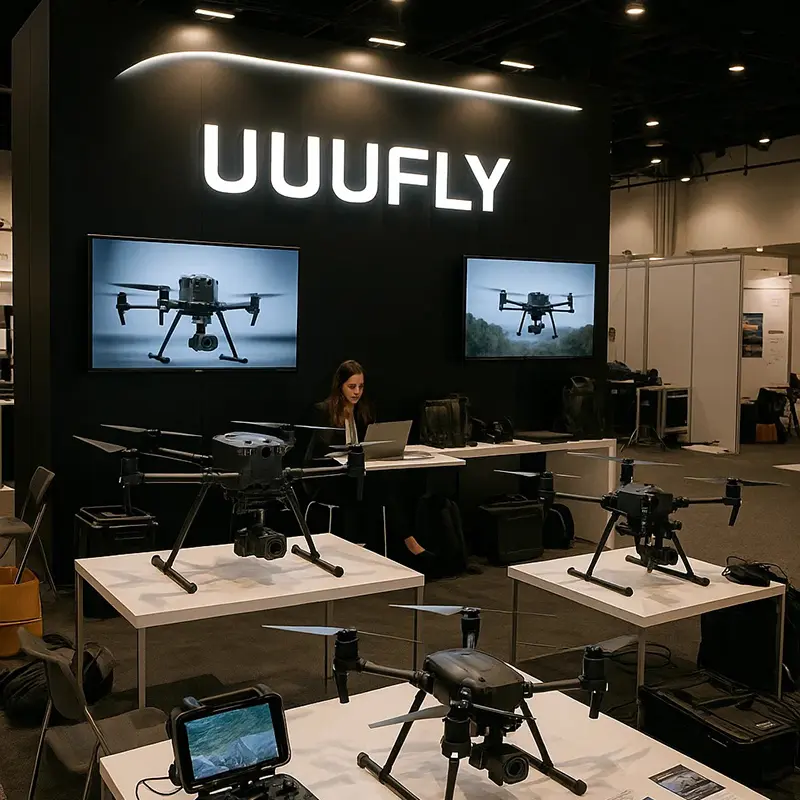
With millimeter‑level positioning and encrypted video links, combined with dual‑spectrum defect detection and AI target recognition, defect discovery efficiency improves by about 40%. Autonomous patrols and emergency response remain reliable in complex environments. The fast‑charge system is compatible with mainstream fleets (80% in 30 minutes), and carbon‑fiber propellers with IP67 motors cover most models. In multiple grid pilots, defect detection reached 99.7%.
Our solutions for Osaka utilities include temperature-resilient battery packs and heavy-duty rotor systems designed specifically to prevent galvanic corrosion when operating close to salty marine winds along Osaka Prefecture’s power grid nodes.
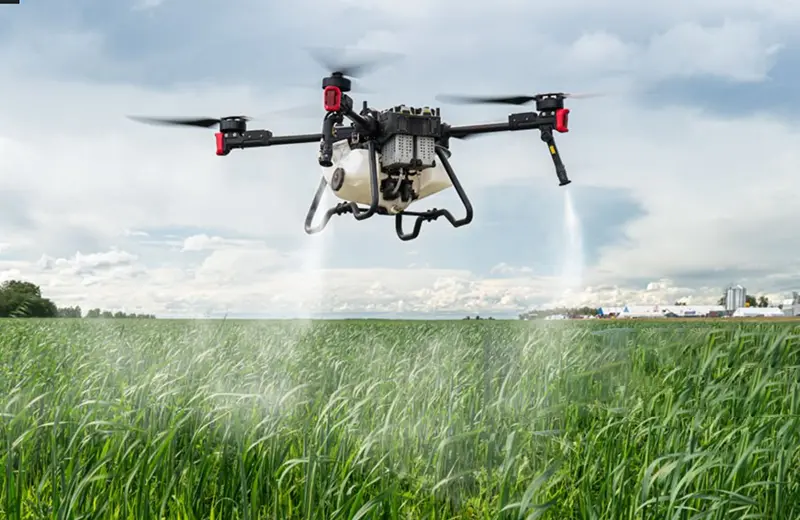
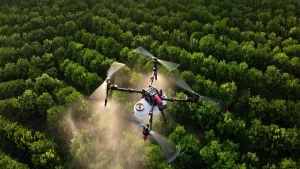
Multispectral payloads and AI analytics enable early diagnosis of pests and diseases (about 98% accuracy). Variable spraying reduces pesticide use by roughly 30%, while a 50Ah battery and corrosion‑resistant tank allow a single flight to cover 200+ mu (≈16 acres). At scale, farms typically see 20–30% lower operating costs.
In rural pockets bordering Osaka Prefecture, such as Minamikawachi, these technologies optimize vineyard management and regional crop health while respecting tight flight windows and strict noise containment guidelines.
Combining LiDAR with oblique photogrammetry delivers 0.05‑m 3D mapping, making modeling about 5× faster and reducing cost by 60%. With GDPR‑compliant encrypted transmission and 5G for real‑time cloud analytics, our data underpins urban planning and digital‑twin programs, boosting planning efficiency by around 300% in typical projects.
For the historical reconstruction and structural health monitoring of municipal landmarks in Osaka, this non-invasive digital scanning offers unparalleled resolution with complete spatial fidelity.
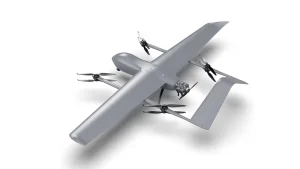
The platform provides autonomous routes, fleet scheduling, mission orchestration and an edge‑to‑cloud pipeline. Open APIs and message buses integrate seamlessly with enterprise systems to build a secure, observable low‑altitude network.
Operations are customized to match domestic Japanese server storage protocols, assuring government agencies of regional sovereignty over telemetry logs and high-definition video archives.
Our direct access to the world’s most integrated hardware supply chain in Shenzhen allows UUUFLY to translate custom customer feedback into functional production samples in record time. For Osaka-based purchasers, this means immediate access to leading-edge raw components, premium cylindrical cells, and custom carbon composite moldings.
By enforcing a strict zero-fault quality assurance paradigm directly within our manufacturing facilities, every custom battery casing, autonomous docking station, and replacement DJI-series rotor arm meets the rigorous standards expected by Japanese procurement managers.
As we transition into an era dominated by smart cities and high-density air traffic networks, the integration of cutting-edge technologies remains our primary focus. We are aggressively testing and scaling solid-state battery technology, which promises up to a 45% increase in energy density compared to traditional Li-Po cells. For Osaka's maritime shipping operators, this directly translates to extended range and enhanced payload capacities under challenging marine wind conditions.
Furthermore, our engineering teams are developing next-generation hydrogen fuel-cell power packs designed for larger industrial systems. Supported by 5G edge computing, our vision is to establish a secure, automated, and green aerial ecosystem that aligns with Japan's "Society 5.0" national initiative.
To become the core infrastructure provider for the global low‑altitude economy. We will keep integrating 5G, AI and hydrogen energy to drive standardized, intelligent and green aerial operations.
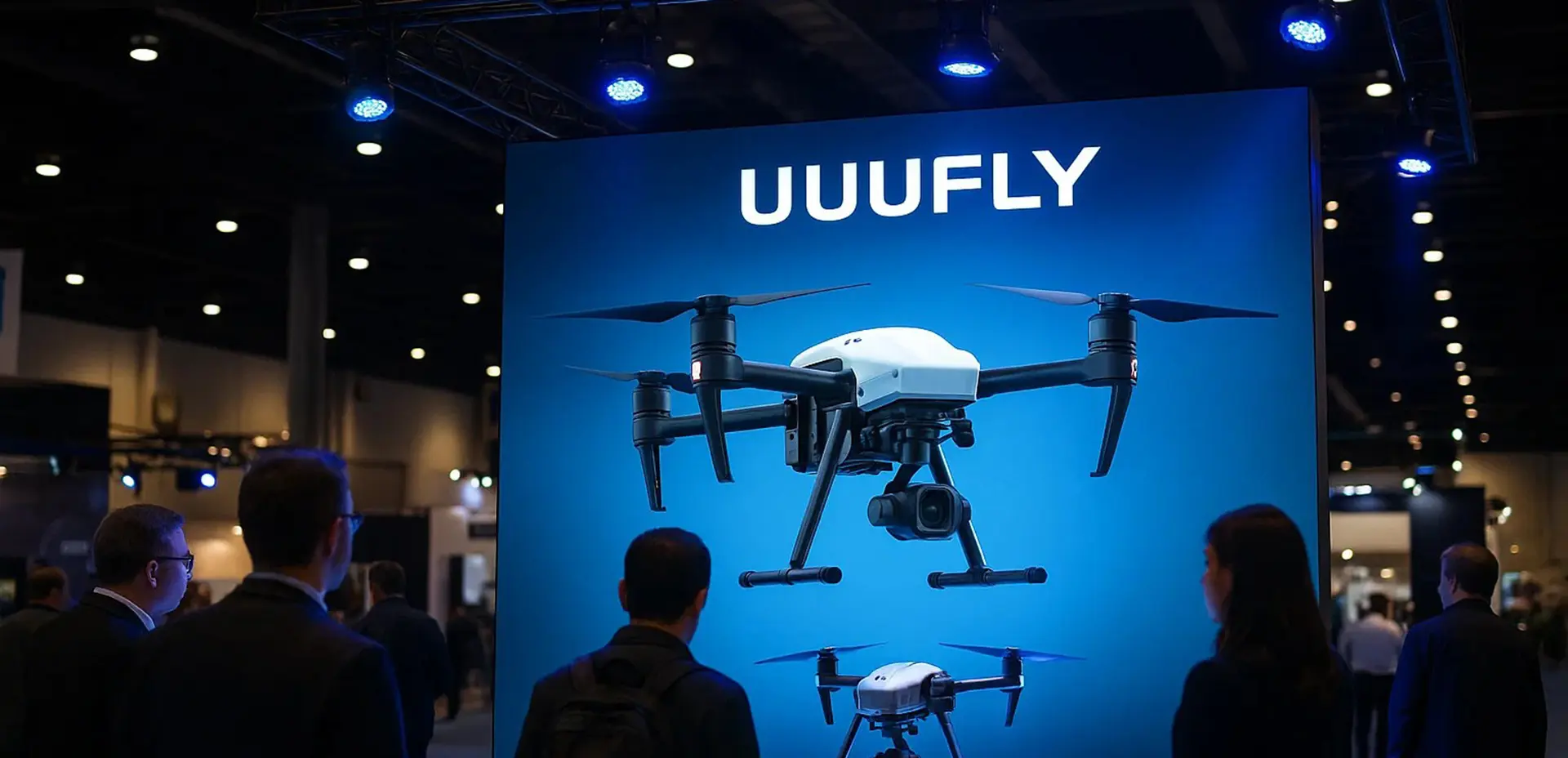

Every battery subsystem shipped to the Osaka and broader Japanese market is engineered to satisfy the rigorous criteria of METI (Ministry of Economy, Trade and Industry). We utilize premium-grade cells with integrated thermal management microchips. Telemetry systems align with Japan's Radio Law frequency requirements, ensuring complete compatibility without violating national communication protocols.
For standardized orders, such as equivalent TB65 or TB100 series batteries, our close integration with shipping channels allows for air freight transit from Shenzhen/Guangzhou directly to Kansai International Airport (KIX) within 3 to 5 business days. Custom mold adjustments or specialized electrical integrations undergo a 2 to 3 week R&D cycle before shipping.
No, our autonomous docking systems are pre-calibrated for standard RTK coordinate feeds. During installation, our localized partners in Japan assist with site calibration and physical anchoring, ensuring seamless compatibility with domestic base station configurations.
All data interfaces and communication channels leverage AES-256 standard encryption algorithms. Telemetry channels are designed to function locally, preventing data leakage to external global servers. We offer options to deploy on-premise cloud monitoring to guarantee total data sovereignty.
 UUUFLY