 UUUFLY
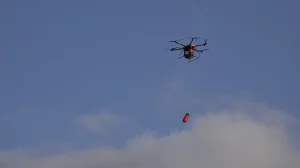
Mercury X110 Oman Rapid-Response Firefighting Drone
Heavy-lift dual-battery frame engineered for localized structural fire suppression, industrial facility defense, and high-altitude emergency response.
Engineered for high-intensity commercial deployments, these state-of-the-art UAV platforms deliver operational continuity across Oman's challenging environments.
Heavy-lift dual-battery frame engineered for localized structural fire suppression, industrial facility defense, and high-altitude emergency response.
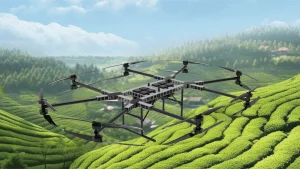
Multi-rotor tactical cargo platform designed for deep desert logistics, remote site supply chains, and emergency equipment transport.
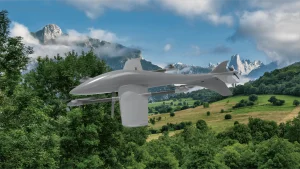
An all-terrain long-endurance guardian platform configured for rugged border patrol, coastal monitoring, and ecosystem preservation.
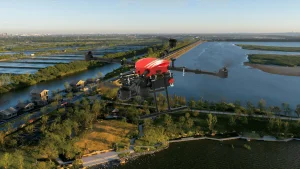
High-stability multi-functional drone optimized for sub-centimeter power line inspection, multispectral analysis, and sensor deployment.
Evaluating the integration of autonomous flight systems within Oman's industrial matrix and the global shift toward unmanned operational workflows.
Unmanned Aerial Systems (UAS) have evolved from tactical edge tools into structural assets capable of transforming national logistics and industrial data pipelines. Globally, the convergence of RTK-GNSS positioning, edge-computing AI visual arrays, and high-energy-density hybrid power units has redefined return on investment (ROI) calculations for energy grids, agricultural consortia, and emergency response frameworks. SKY NEXT, powered by UUUFLY, is at the forefront of this shift, translating aerospace engineering into traceable, repeatable productivity gains.
The Sultanate of Oman is executing a comprehensive economic diversification strategy via Oman Vision 2040. Central to this vision is the digitization of core infrastructure, optimization of the oil and gas sector (e.g., Petroleum Development Oman - PDO installations), conservation of protected biodiversity zones, and development of smart cities like Duqm and Muscat. However, Oman's geographic landscape presents significant environmental hurdles for standard drone operations:
SKY NEXT's dedicated Oman-certified products integrate hardware modifications customized specifically to operate reliably in high-salinity and high-thermal desert environments, ensuring zero thermal throttling during midday critical inspections.
By closing the operational loop—Discover, Decide, Execute, Trace—SKY NEXT delivers comprehensive vertical programs:
Power & Utility Inspection: Autonomous grid patrols rely on dual-spectrum payloads. Millimeter-level RTK positioning allows flight lines within close proximity to 400kV high-voltage lines, securing 99.7% anomaly detection rates without operational shutdowns.
Precision Agriculture: Leveraging multispectral sensing and variable-rate agricultural spraying reduces chemical usage by 30%, addressing date palm cultivation and arid-zone crop irrigation challenges in the Batinah and Dahirah regions.
Our hardware systems and software algorithms undergo rigorous field validation to perform under extreme ambient pressure and interference.
In accordance with Oman's Civil Aviation Authority (CAA) regulations and local digital security mandates, SKY NEXT operations emphasize complete data residency compliance. Enterprise data links utilize AES-256 military-grade encryption, and we offer on-premise cloud infrastructure deployment options to safeguard sensitive telemetry and industrial spatial mapping outputs.
Select from our targeted inventory of specialized drone configurations, each designed to meet precise civil defense, agricultural, and surveying mandates.
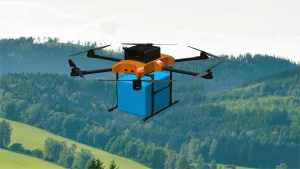
An agile multirotor platform ideal for urban security, logistics corridors, and localized surveillance tasks across regional metropolitan hubs.
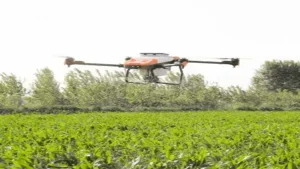
High-tensile carbon fiber construction optimized for liquid dispersion and localized crop monitoring in harsh agricultural regions.
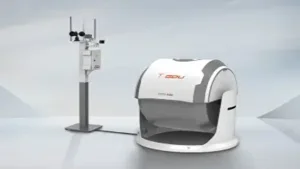
Weatherproof, sealed docking infrastructure facilitating scheduled, operator-free automated battery hot-swaps for continuous aerial coverage.
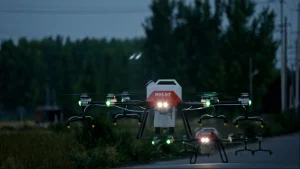
Featuring a robust helicopter-grade propulsion unit, specifically designed to withstand high winds while treating dense date palm canopies.
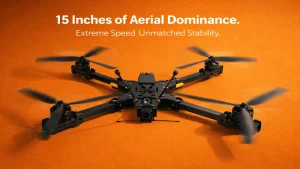
Low-latency, high-agility FPV frame suited for swift target tracking, search & rescue maneuvers, and structural damage inspection.
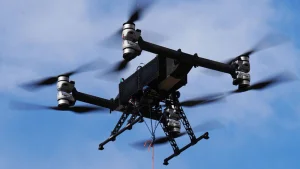
Customizable heavy-lift system optimized for transporting drilling equipment, remote sensors, and industrial spares across desert dunes.
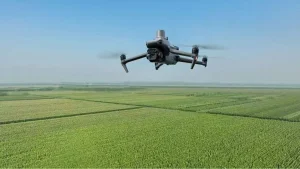
Portable multispectral mapping system designed for vegetative stress profiling, moisture mapping, and soil classification in arid zones.
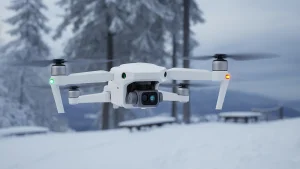
Eight-rotor enterprise drone carrying dual 4K visual & radiometric thermal imaging payloads, tailored for petrochemical pipeline monitoring.
Essential components and supplementary systems ensuring maximum operational readiness and sustained flight envelopes in extreme climates.
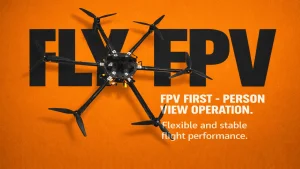
High-aspect-ratio tactical frame delivering extended range and payload capacity for custom camera payloads and thermal imaging kits.

High-discharge lithium-ion battery system containing internal self-heating and advanced temperature monitoring circuits for hot deserts.
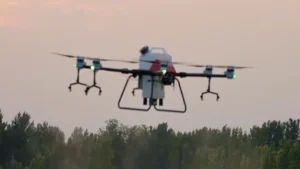
Reinforced multi-rotor agricultural asset utilizing advanced telemetry for variable liquid deposition and precision autonomous route mapping.
Custom setups engineered for critical infrastructure protection, resource allocation, and municipal services across Oman.

Search & rescue, rapid fire suppression, and tactical support.
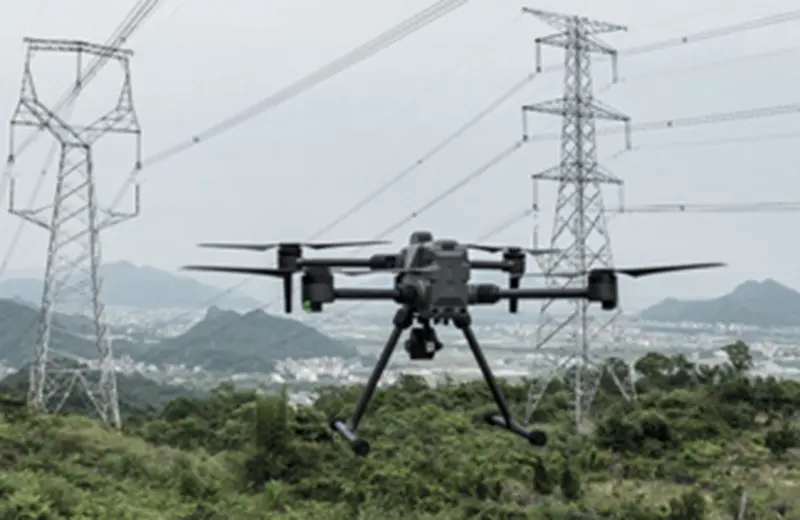
Sub-millimeter power line scans and offshore facility inspection.

LiDAR volumetric extraction and structural digital twin generation.
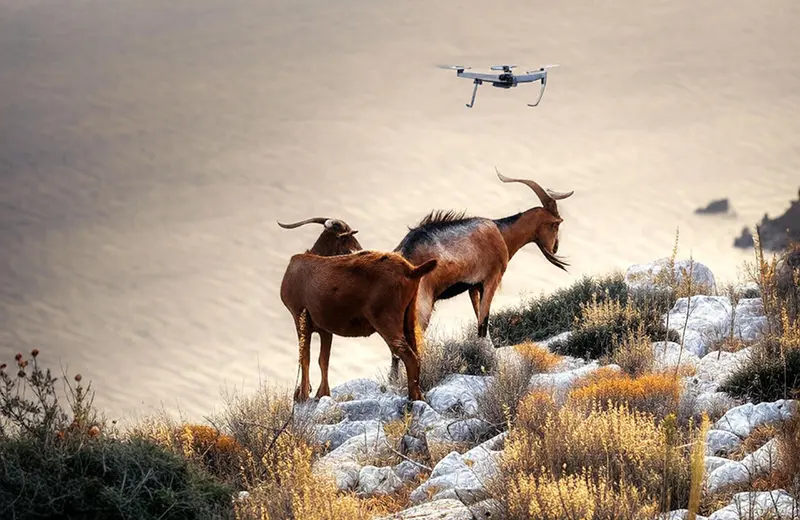
Coastal biosphere protection and anti-poaching monitoring.
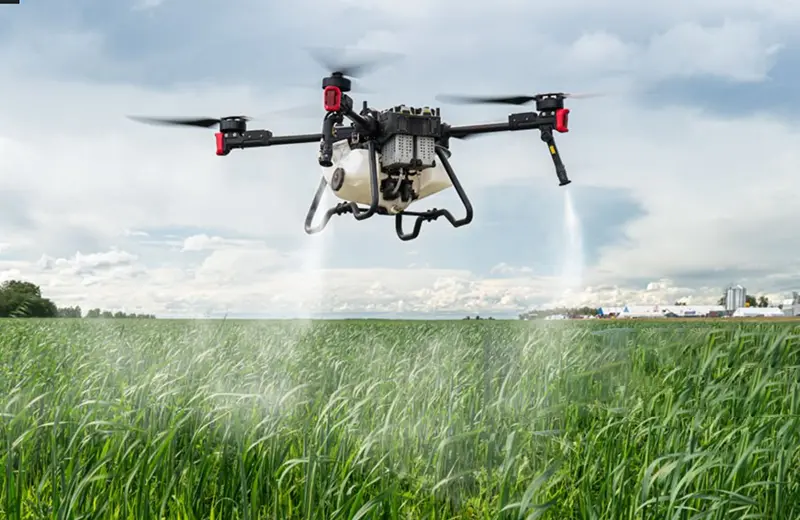
Autonomous variable spraying and crop health assessments.
SKY NEXT's research and development division integrates veterans of autonomous vehicle architecture and spatial AI systems.
Former industrial UAV product lead. Drives system modularity, industrial certification standards, and GCC ecosystem integrations.
Specialist in machine perception, active sensor fusion, automated visual navigation, and deep cloud deployment.
Manages localized program deliveries across the Middle East, ensuring compliance, field reliability, and pilot certification programs.
Electrical systems expert focusing on electromagnetic compatibility (EMC/EMI) and high-temperature power electronics.
Leads localized model training for defect detection, visual routing optimizations, and machine learning infrastructure operations.
Expands regional supply chains and oversees specialized sales networks across Latin America and the Middle East & Africa (MENA).
Developing next-generation UAS solutions to support clean energy grids, 5G mesh networking, and autonomous logistics across the GCC.
By 2026, SKY NEXT aims to deploy its first fleet of hydrogen-powered heavy-lift platforms in Oman, targeting continuous 4-hour flight envelopes over major pipeline networks.
Our long-term research focuses on four core technological milestones designed to optimize low-altitude infrastructure:
Expert answers regarding integration, compliance, and thermal performance within Omani airspace.
Our industrial units feature active heat-dissipation housings and specialized smart battery management systems (BMS) with high-temperature cut-offs. Critical electronics are thermally coupled to lightweight aluminum heatsinks exposed to prop-wash, preventing thermal throttling even during midday operations in central Oman.
All aircraft are CE, FCC, and RoHS certified. We provide comprehensive documentation packages—including structural reports, radio telemetry maps, and fail-safe designs—necessary to secure flight permits from Oman's Civil Aviation Authority (CAA).
Yes. We support custom cloud deployments using local data servers or on-premise setups for corporate and government clients, ensuring compliance with Oman's data sovereignty laws.
The GUD K01 Docking Station features an IP55 rated enclosure with an active climate control unit. Automatic shutter doors seal tightly during sandstorms, and internal air blowers purge dust from the swap bay before starting charging cycles.
The Mercury X110 is optimized for heavy payload operations, supporting configurations of up to 40 kg for firefighting liquid canisters or specialized industrial monitoring hardware while keeping flights stable.