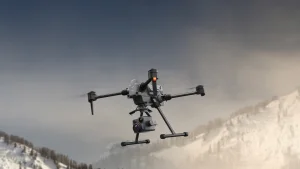
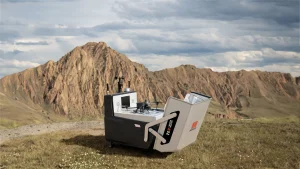
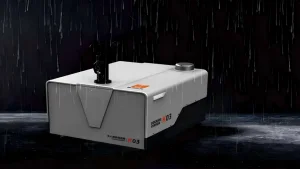
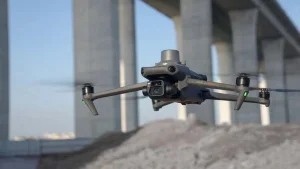
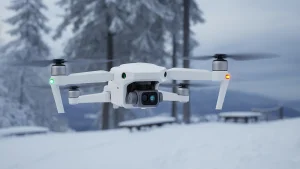
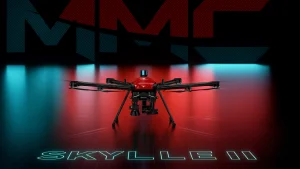
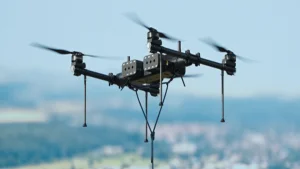
Premium intelligent industrial drone hardware integrated with state-of-the-art dual-camera setups and autonomous docking kits.
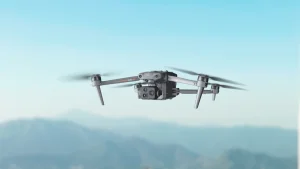
India is currently transitioning into one of the largest global adoption centers for commercial and industrial unmanned aerial vehicles (UAVs). Spearheaded by the liberalized Drone Rules 2021, the Production Linked Incentive (PLI) scheme, and the "Make in India" focus, local industrial infrastructure operators are migrating from manual surveillance methods to automated digital solutions. GDU drones, known for their modular payloads, RTK precision, and weather-resistant architectures, are at the forefront of this industrial transformation.
Deploying GDU drone systems in India presents unique challenges, including ambient operational temperatures exceeding 45°C during summer, fine atmospheric dust, and severe monsoon conditions. Consequently, industrial buyers require robust, IP67-rated motor systems, carbon-fiber composite frames, and RTK units that provide centimeter-level accuracy even in areas with poor GPS coverage.
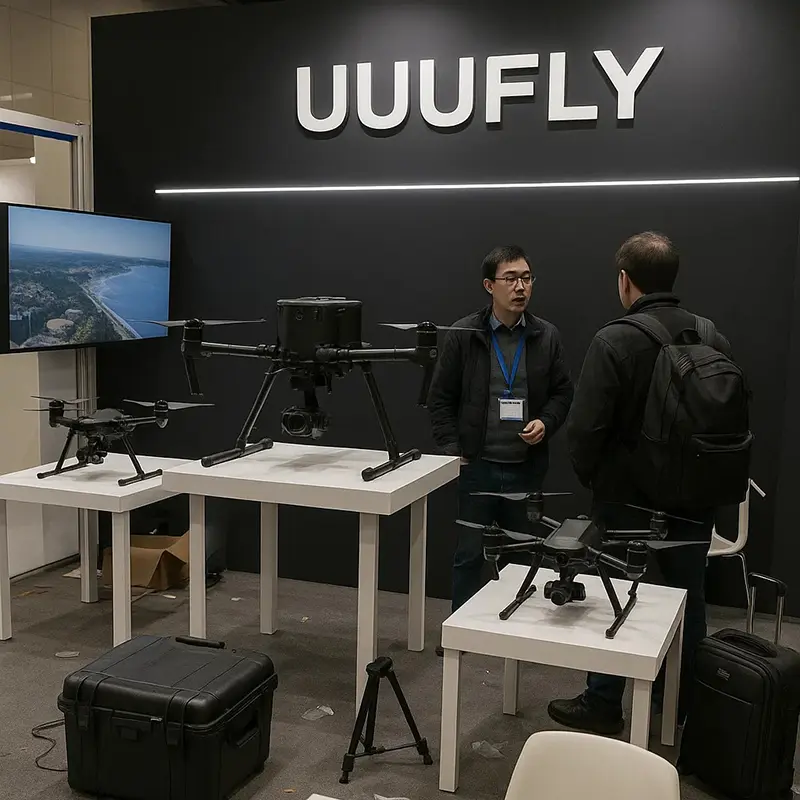
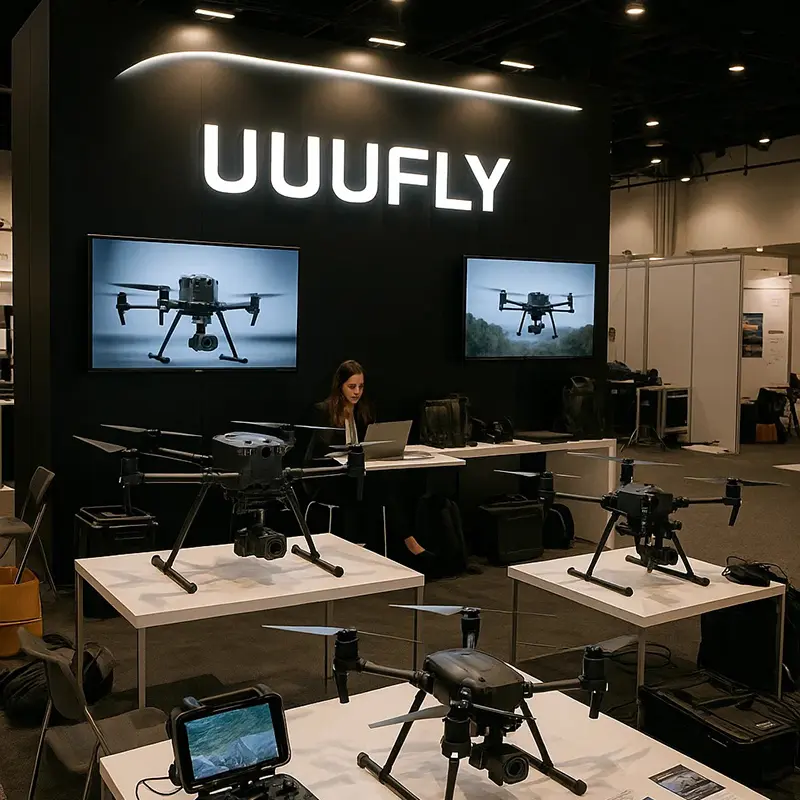
While local software development and final system integration are rapidly growing in India, global commercial drone procurement remains highly dependent on the robust components and sub-assembly chains located in Chinese tech hubs. Partnering with a manufacturing center like UUUFLY allows global enterprises to leverage unmatched supply-chain efficiency:
By using a hybrid operational strategy—combining Chinese high-volume component production with local integration, software setups, and regional DGCA compliance protocols—Indian enterprises can deploy highly reliable drone systems with lower capital expenditure.
We build repeatable, traceable, and compliant UAV systems through integrated innovation across hardware, algorithms, and data operations.
UUUFLY closes the loop of Discover → Decide → Execute → Trace for power, agriculture, and smart-city customers, delivering measurable aerial productivity at scale. Our core capabilities include dual-spectrum defect detection (power inspection), multispectral sensing & variable spraying (precision agriculture), 0.05-m 3D mapping (smart city), autonomous routes & fleet scheduling (scaled operations), and an end-to-end edge-to-cloud data pipeline (governance & compliance).
Former industrial UAV product lead; drives product architecture, standardization, and ecosystem partnerships.
Computer vision & autonomy specialist focusing on sensor fusion, target detection, and mission decision systems.
Drives localization and partner-led delivery across the Middle East, South Asia (including India & Pakistan), and Eastern Europe.
Aerospace & electrical engineer focusing on payload integration, EMC/EMI shielding, and high-reliability structural designs.
Leads model training and mission orchestration algorithms to optimize automated thermal defect detection accuracy.
Drives localization, international brand alignment, and partner-led delivery across emerging regional networks.
How state-run enterprises and private contractors are deploying high-payload, RTK-enabled drone systems for critical projects.
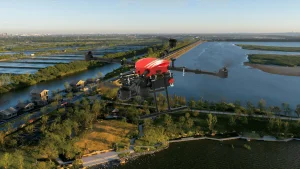
In complex environments like the Western Ghats or high-altitude areas in Himachal Pradesh, transmission lines are highly vulnerable to damage. GDU S200 and S400E systems, equipped with dual-spectrum thermal cameras and centimeter-level RTK positioning, enable operators to locate hotspots and line wear without dangerous manual tower climbs.
Large-scale crop areas require precise monitoring. By deploying specialized agricultural platforms equipped with multispectral imaging payloads, operators can quickly identify water stress and pest infestations. This data helps create targeted spraying programs that reduce chemical usage and optimize crop yields.
Under India's PM Gati Shakti infrastructure initiative, national highways and new railway lines require fast, accurate mapping. Using GDU drones equipped with LiDAR and photogrammetry sensors, engineering teams can create highly accurate 3D digital twins of terrain and assets, accelerating project timelines and reducing surveying costs.
Explore specialized drone hardware configured for specific commercial and public safety applications.
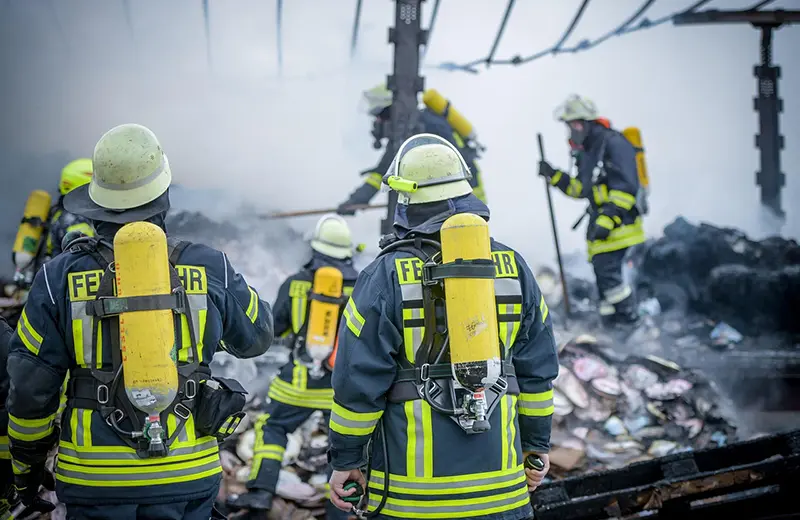
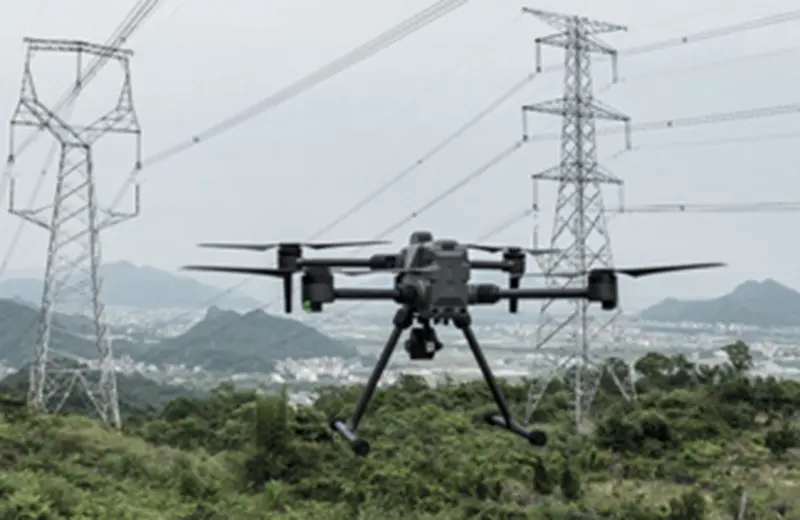

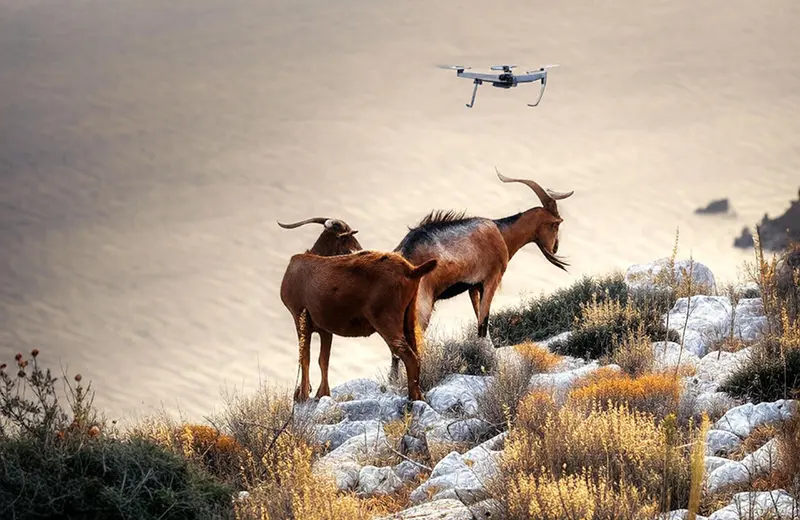
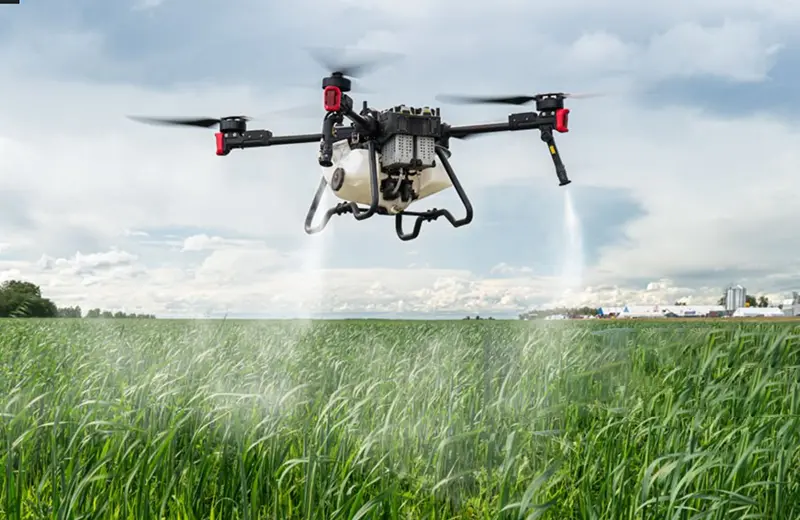
A comprehensive selection of high-payload, long-endurance copters, docks, and multispectral aircraft.
For engineering leads and procurement officers, selecting an industrial drone system goes beyond simple flight times. True operational reliability is determined by details like transmission security, data routing, and component durability. Our systems are built around these requirements:
For sensitive operations like power grid inspections and border mapping, data security is critical. GDU enterprise platforms use AES-256 military-grade encryption for control signals and video transmission. We also provide local server deployments, ensuring that flight logs and high-definition maps stay within your company's network.
For infrastructure inspections, optical cameras alone aren't always enough to spot faults. Our dual-spectrum camera setups combine a 30x optical zoom sensor with a high-resolution thermal imaging camera. This allows operators to inspect power line connectors and substation components from a safe distance while spotting thermal anomalies in real time.
Deploying drones in coastal areas or dusty environments requires robust protection. Our carbon-fiber drone bodies are sealed against dust and moisture, while the motor control software auto-corrects for motor degradation and high winds. This helps keep operations safe and reliable even in challenging conditions.
Addressing the technical, regulatory, and procurement questions of GDU drone deployment in India and global markets.
Yes. While the DGCA maintains strict guidelines regarding foreign-made drone components and complete units, our local integration partners in India help configure these systems to meet Digital Sky requirements, including NPNT (No Permission, No Takeoff) compliance, local testing, and registration protocols.
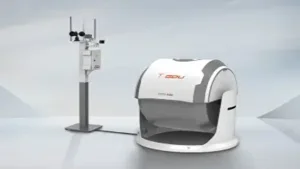
The K01 and K02 autonomous docking stations enable continuous, operator-free drone workflows. Once a drone lands inside the dock, the system automatically swaps or fast-charges the battery (reaching 80% charge in about 30 minutes) and uploads the gathered flight data to the cloud. This allows teams to set up automated patrol routes without needing a pilot on site.
Sourcing components directly from our manufacturing facilities gives you access to standardized quality, lower production costs, and advanced component designs. It also allows us to quickly configure custom payloads, thermal cameras, and structural parts to meet your specific project needs.
Real-Time Kinematic (RTK) positioning uses local correction data to provide centimeter-level flight accuracy. This prevents the drone from drifting near high-voltage lines, keeping the aircraft safe from electromagnetic interference and allowing for highly detailed inspections of tower insulators and cables.
Connect with our engineering and procurement team to request custom hardware configurations, bulk price quotes, or local compliance details.
 UUUFLY