Engineered to operate in extreme ambient heat, desert winds, and complex magnetic environments. These platforms constitute the primary deployment models across infrastructure sectors.
The Kingdom of Saudi Arabia is experiencing an unprecedented structural transformation. Under the banner of Vision 2030, the nation is rapidly expanding its low-altitude economy, pivoting from traditional oil-centric paradigms toward integrated high-tech infrastructure, green energy, and digitized smart cities.
Drones are no longer secondary surveying accessories; they are critical foundational infrastructure. From inspecting solar panel fields in the vast desert planes of Al-Jouf to conducting complex pipeline monitoring for Aramco facilities, and enabling autonomous logistics networks for megaprojects like NEOM, the demand for industrial-grade Unmanned Aerial Vehicles (UAVs) has skyrocketed.
Deploying drones in the Saudi Arabian peninsula requires solving extreme physical constraints. The local environment presents distinct challenges: prolonged temperatures exceeding 50°C, high ultraviolet (UV) indices that accelerate carbon-fiber degradation, severe dust storms that compromise optical payloads, and localized electromagnetic anomalies near high-voltage substations. Off-the-shelf commercial drones fail to meet the rigorous performance thresholds mandated by industrial developers and Saudi regulatory authorities like GACA.
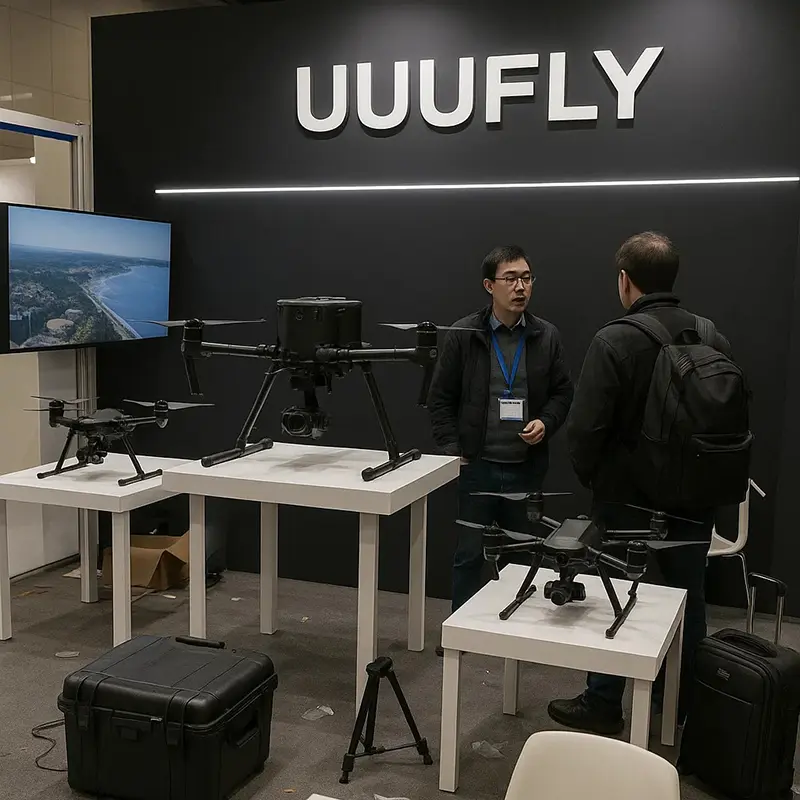
In cooperation with local partners, our MMC architectures have been systematically re-engineered for the Middle East climate. Standard UAVs experience battery swelling and controller thermal throttling when ambient temperatures cross 45°C. Our Middle East editions incorporate proprietary active liquid-loop cooling plates, high-efficiency heat-sinks, and specialized composite structures that withstand continuous operations at 55°C while maintaining IP67 protection levels against fine sand particulate infiltration.
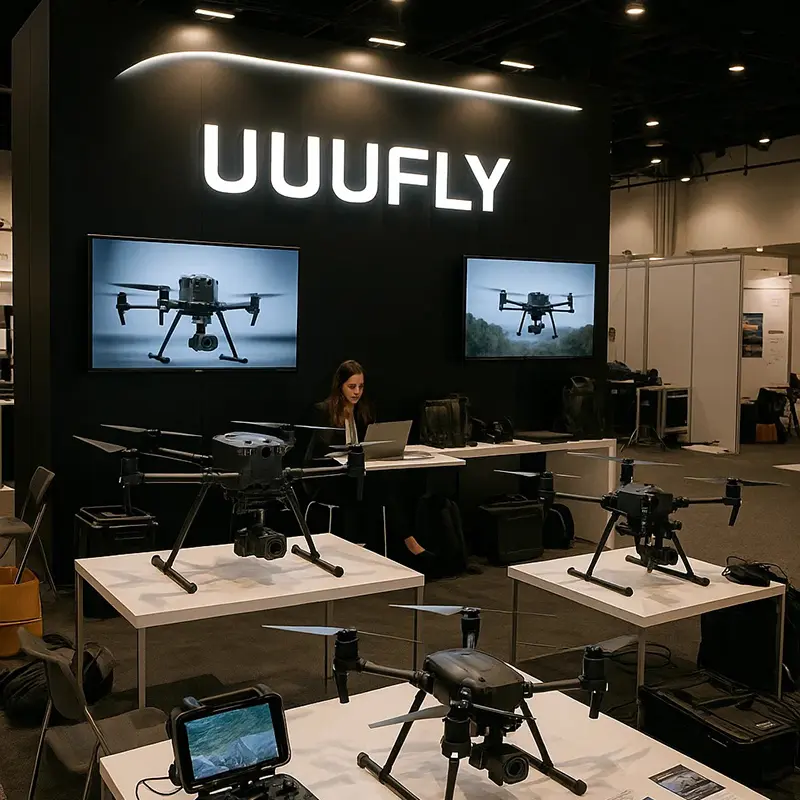
We turn drones from tools into infrastructure, enabling the global low‑altitude economy with engineering rigor and compliance.
UUUFLY builds repeatable, traceable, and compliant UAV systems through integrated innovation across hardware, algorithms, and data operations. We close the loop of Discover → Decide → Execute → Trace for power, agriculture, and smart-city customers in Saudi Arabia, delivering measurable aerial productivity at scale.
Our core capabilities in the Middle East include dual‑spectrum defect detection for Saudi electricity infrastructure, multispectral sensing & variable spraying for precision farming initiatives, 0.05‑m 3D mapping for massive desert megaprojects, autonomous routes & fleet scheduling, and an end-to-end edge-to-cloud data pipeline that guarantees local data residency and regulatory compliance.
How UUUFLY's technology is architected to solve specific regional problems across KSA’s leading industries.
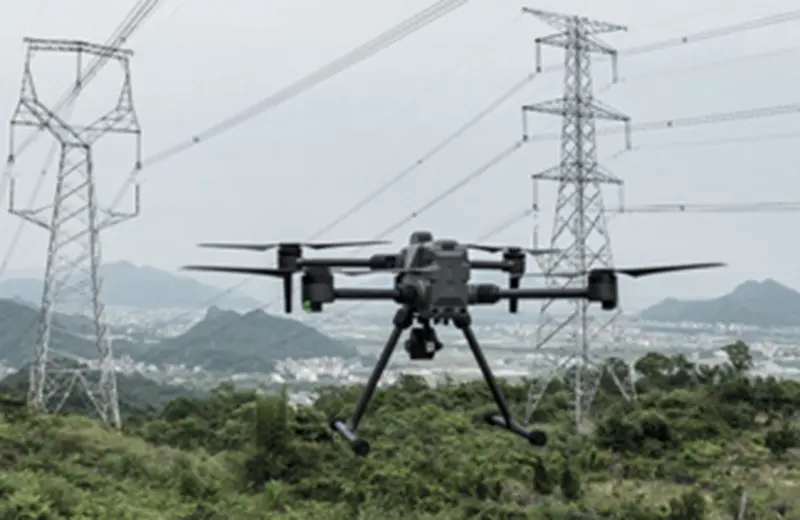
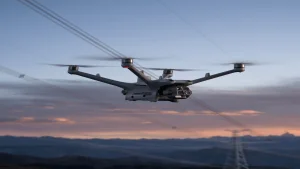
With millimeter-level positioning and encrypted video links, combined with dual-spectrum defect detection and AI target recognition, defect discovery efficiency on long transmission lines running from Riyadh to eastern coastal industrial hubs improves by about 40%. Fast-charge systems are compatible with mainstream fleets (80% in 30 minutes), utilizing carbon-fiber propellers and IP67-rated motors designed to operate through severe sand storm degradation. Defect detection rates hit 99.7% in local grid tests.
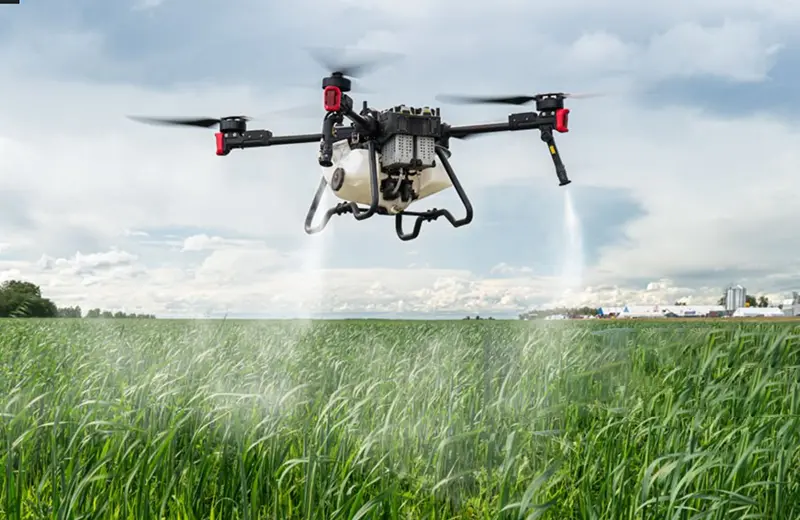
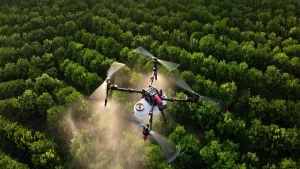
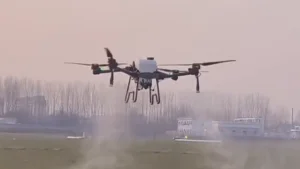
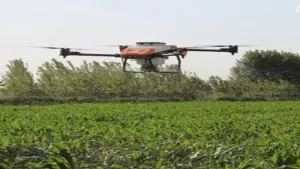
Multispectral payloads and AI analytics enable early diagnosis of crop stress in arid locations like Al-Hasa and Al-Jouf (about 98% accuracy). Variable spraying structures reduce water and pesticide usage by roughly 30%. Outfitted with a 50Ah battery pack and corrosion-resistant tanks, a single flight spans over 200+ mu (≈16 acres), bringing operational overhead down by 20–30% for KSA agriculture operators.
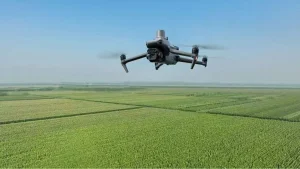
Integrating LiDAR with oblique photogrammetry delivers 0.05-m 3D mapping, accelerating modeling processes by 5× and reducing ground-survey expenses by 60%. Using GACA-compliant encryption and 5G networks for live cloud streaming, our software fuels KSA digital twin ecosystems, improving general planning efficiency by 300% in complex megastructure environments.
Our localized platform offers autonomous routes, intelligent fleet scheduling, mission orchestration, and a robust edge‑to‑cloud data pipeline. Standard APIs interface smoothly with local supervisory control systems (SCADA) to deploy secure, high-uptime low-altitude monitoring networks.
Entering the Saudi Arabian airspace requires strict adherence to GACA regulations, data security frameworks defined by the National Cybersecurity Authority (NCA), and localized data protection protocols. UUUFLY is engineered from the ground up to respect these regulatory thresholds.
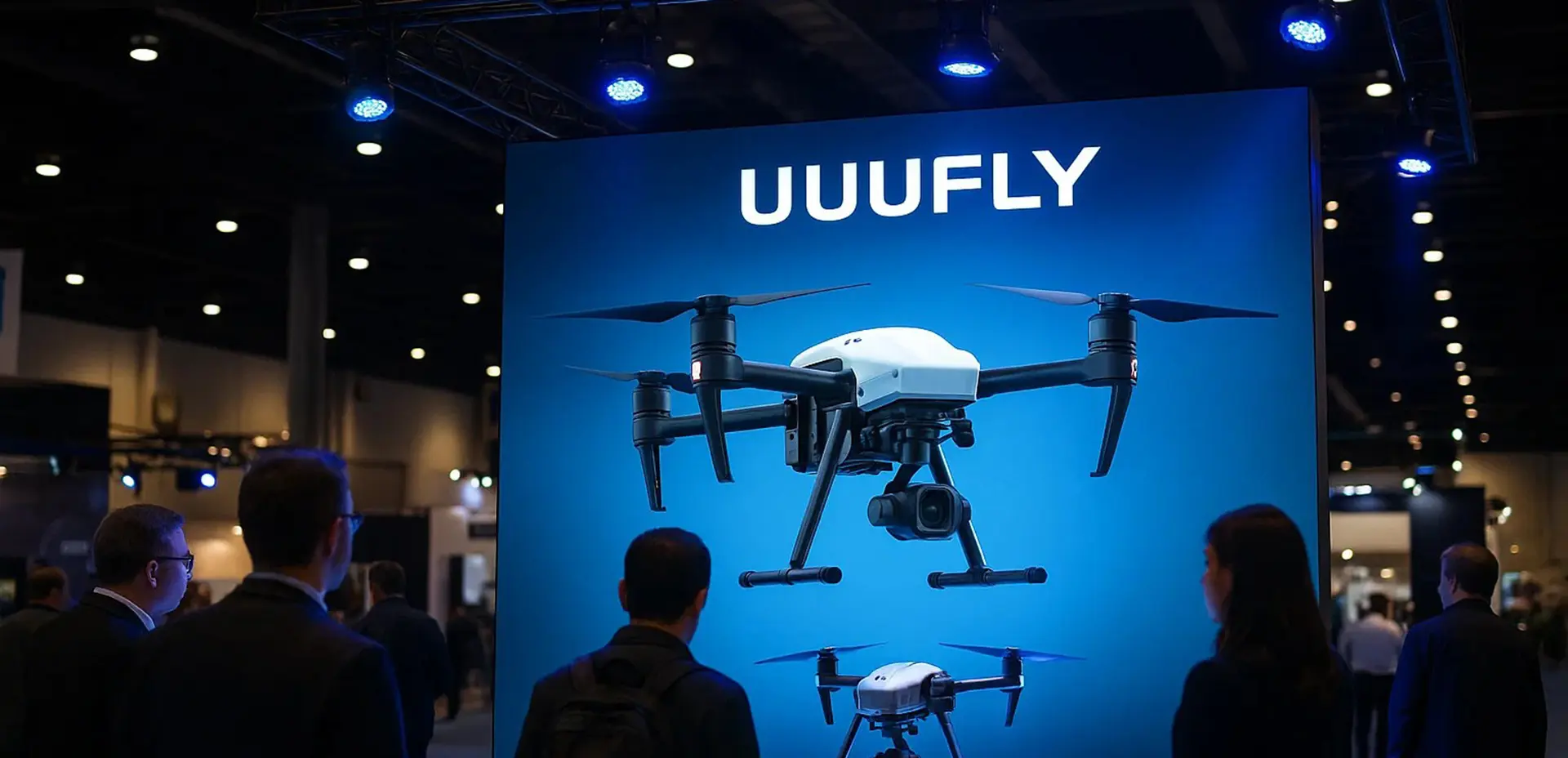
Connecting specialized aerial platforms to localized operational needs across public and private segments in Saudi Arabia.
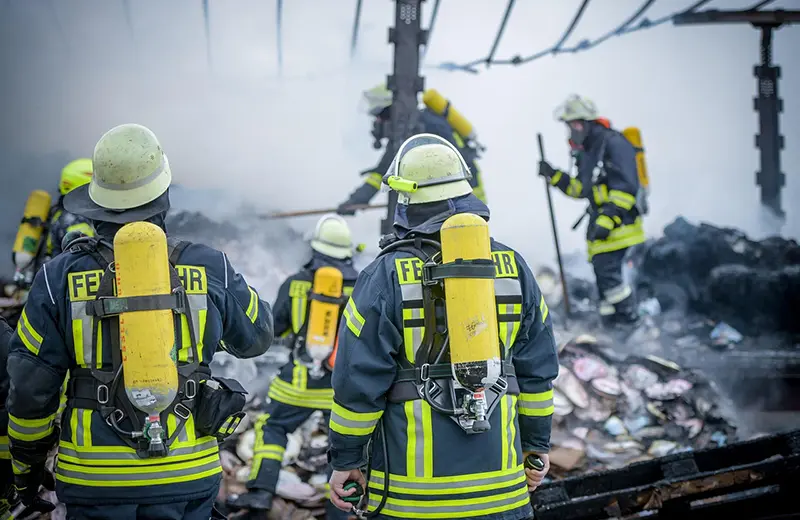

Our operational architecture combines aerospace engineering, advanced computer vision, and local Middle East logistics experience to deliver dependable operations.
Former industrial UAV product lead; drives product architecture, standardization, and global ecosystem partnerships.
Computer vision & autonomy specialist focusing on sensor fusion, target detection, and mission decision systems.
Drives localization, training, and partner-led program delivery across Saudi Arabia, Pakistan, and Russia.
Aerospace & electrical engineer focusing on payload integration, electromagnetic compatibility, and stress testing.
Leads neural network model training and mission orchestration to optimize real-time asset defect detection.
Drives localization and partner-led distribution networks across Latin America and the MENA region.
Commercial deployment success depends on immediate support response. UUUFLY has established specialized local training initiatives to support Saudi engineers in learning operating procedures, local GACA airspace routing, and regular maintenance.
Our localized services solve the common challenges of importing industrial UAVs. We provide full support through the customs process for specialized components (including high-capacity lithium solid-state batteries) and ensure all hardware satisfies regional safety standards.
By coordinating local support operations directly in Riyadh and Eastern Province hubs, we reduce hardware diagnostic turnaround times from several weeks down to less than 48 hours.
Our technology roadmap aligns with KSA's sustainability objectives under Vision 2030:
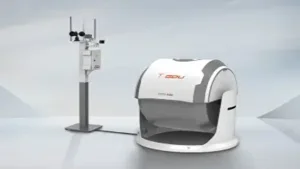
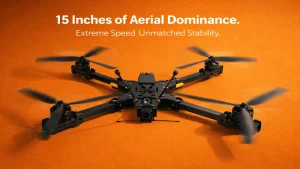
Explore our complete catalog of specialized agricultural sprayers, modular battery packs, docking nests, and high-performance FPV kits configured for regional commercial operations.

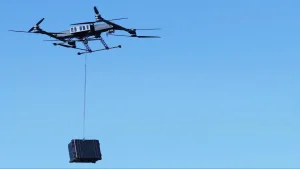
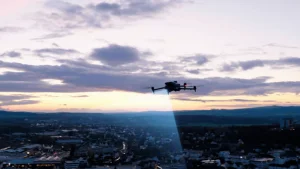
Technical guidance and answers for procurement managers and drone operators in the Saudi Arabian market.
Our UAV platforms designed for KSA incorporate carbon-fiber builds with heat-dissipating dynamic structures, thermal insulation barriers for battery compartments, and high-temperature-rated brushless motors. This helps prevent power loss and battery swelling even at operating temperatures up to 55°C.
We provide full technical documentation, certificates of conformity, localized radio frequency reports, and test flight logs required by the General Authority of Civil Aviation (GACA) for commercial drone permits and registration in Saudi Arabia.
We offer secure local data transmission paths. All video streams and spatial maps are secured using hardware-integrated AES-256 encryption. We also support on-premise cloud infrastructure options, keeping your data hosted within Saudi Arabia to comply with NCA frameworks.
Yes. Our payload bay features plug-and-play interfaces that support high-resolution thermal cameras, optical gas imaging (OGI) payloads, dual-spectrum systems, and LiDAR scanners for pipeline and hydrocarbon leak detection.
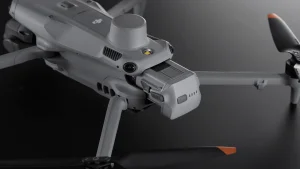
Our KSA-grade smart flight batteries are designed with heat-mitigation packaging. Under standard operations, they support up to 400 to 500 charge-discharge cycles, backed by real-time cellular battery management system (BMS) telemetry.
Models like the AL4-50 use corrosion-resistant materials and carbon-fiber frames to protect against liquid drift. Integrated multispectral sensors provide precise agricultural intelligence, helping optimize water and pesticide application to manage scarce resources.
Yes. Through our partner network, we provide training programs covering flight safety, payload operations, autonomous route programming, and basic maintenance procedures directly in Riyadh and across other regional centers.
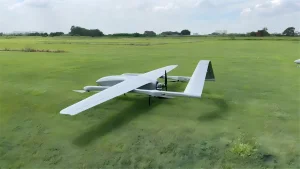
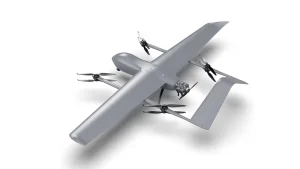
The MMC M11 VTOL is rated to maintain flight stability in winds up to 15 m/s (approx. Grade 7), which helps ensure reliable operation during sandstorms and strong coastal wind patterns.
Our flight controllers include multi-GNSS receivers paired with dual-IMU redundancy. If GPS signals are interrupted by regional jamming or environmental interference, the platform switches to vision-based positioning and inertial navigation to execute a safe automated return-to-home protocol.
For standard models, shipping and custom configuration take 4 to 6 weeks. Customized payloads or specialized heavy-lift orders typically require 8 to 12 weeks, which includes final validation and import coordination.
 UUUFLY