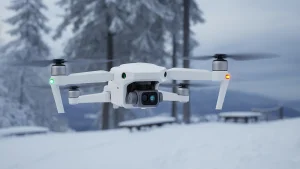
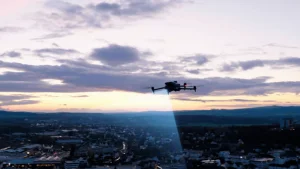
Engineered to excel in Seattle’s complex weather profiles, dense canopy forests, and rugged maritime corridors.
We turn drones from tools into critical infrastructure, enabling the global low‑altitude economy with engineering rigor, safety redundancies, and compliance.
UUUFLY builds repeatable, traceable, and compliant UAV systems through integrated innovation across heavy-duty hardware, intelligent algorithms, and edge data operations. We close the loop of Discover → Decide → Execute → Trace for power utilities, forestry conservation, maritime operations, and smart‑city management, delivering measurable aerial productivity at scale.
Our collaborative developments with industry leaders such as MMC allow us to bring highly competitive, customized dual-spectrum and heavy-payload solutions to the Seattle metro area and the Pacific Northwest, adapting global industrial successes to local FAA and WSDOT regulatory frameworks.
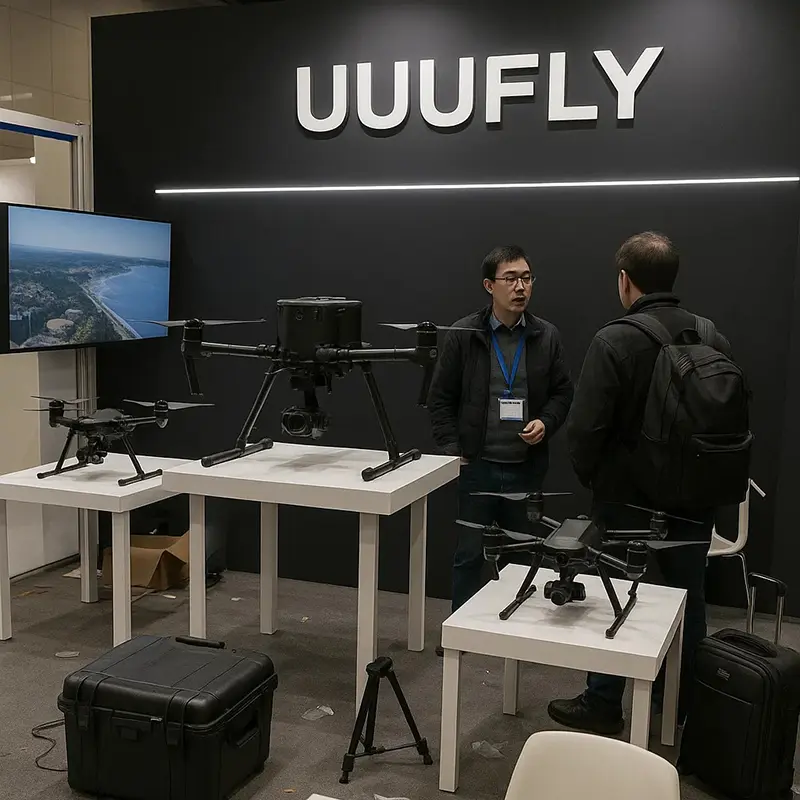
The Seattle metropolitan area is a dense hub of technological innovation, heavy shipping, forestry management, and complex utility grids. Our MMC UAV systems target these critical sectors with localized solutions:
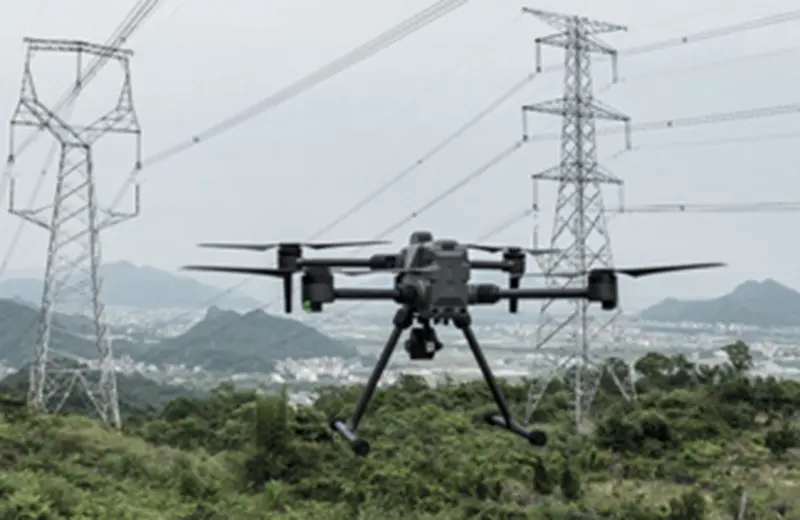
Connecting high-tier hardware integration, fast prototyping, and deep manufacturing resources to Seattle's commercial enterprises.
By leveraging the industrial capabilities of Shenzhen’s supply chain, we offer direct factory-level modifications for specialized payload bays, custom RTK/GNSS positioning boards, and unique thermal setups within days rather than months.
Our partnered factories run rigorous environmental simulations including IP67 ingress testing, high-frequency vibration tables, electromagnetic compatibility (EMC) chambers, and dynamic wind tunnel trials simulating gale-force sea winds typical of Puget Sound.
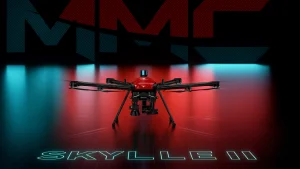
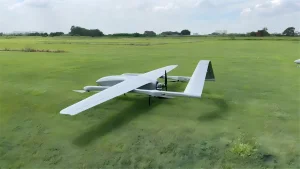
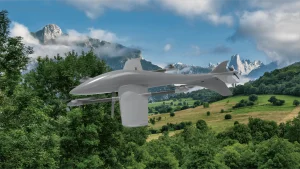
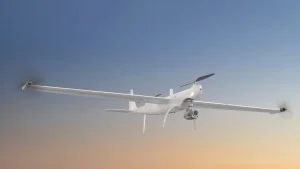
Direct supply-chain optimization keeps the pricing structure of our heavy-lift platforms, such as Skylle II and M11 VTOL, down by 40-50% compared to North American or European equivalents, allowing organizations to deploy larger, redundant operational fleets.
How UUUFLY integrates customized hardware and cloud services for enterprise operations.
With millimeter‑level real-time kinematic (RTK) positioning and encrypted dual-spectrum video streams, combined with automated AI target recognition, structural defect detection speed is improved by up to 40%. Flights remain fully operational in challenging electromagnetic environments. In multiple regional pilot projects, our automated systems achieved a 99.7% defect detection accuracy rate.
Integrating high-precision LiDAR sensors and oblique photogrammetry cameras delivers 0.05-meter accurate 3D mapping models. The mapping phase is completed 5x faster, reducing resource overhead by up to 60% compared to traditional ground survey methods.
Proven deployment data, strict regulatory adherence, and unmatched post-purchase engineering support.
Our executive leadership team brings together decades of aerospace engineering, computer vision, and industrial operations expertise.
Former industrial UAV product lead. Grodon drives UUUFLY's overall architecture strategy, standardization pathways, and ecosystem development alliances.
Computer vision specialist. Dr. Li leads sensor-fusion technology, edge processing optimization, and obstacle avoidance flight decision frameworks.
Manages global site integrations. Ken coordinates localized testing, training initiatives, and pilot partner deployment processes.
Aerospace & electrical hardware specialist focusing on multi-sensor payloads, EMC/EMI shielding designs, and rugged environmental housing setups.
Coordinates target classification models, real-time grid defect detection algorithm pipelines, and automated cloud scheduling engines.
Develops international partnerships, localized training programs, and localized regulatory compliance paths for US/Americas and EMEA regions.
Tailored vehicle configurations designed for specific industrial field operations.


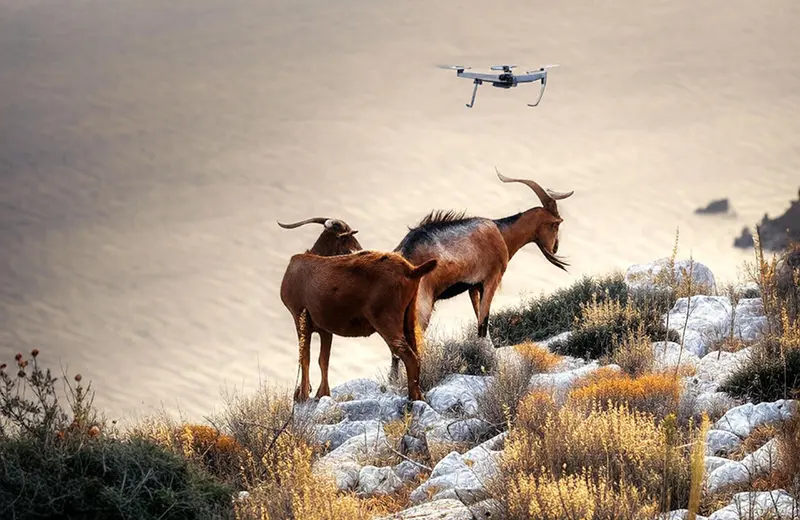
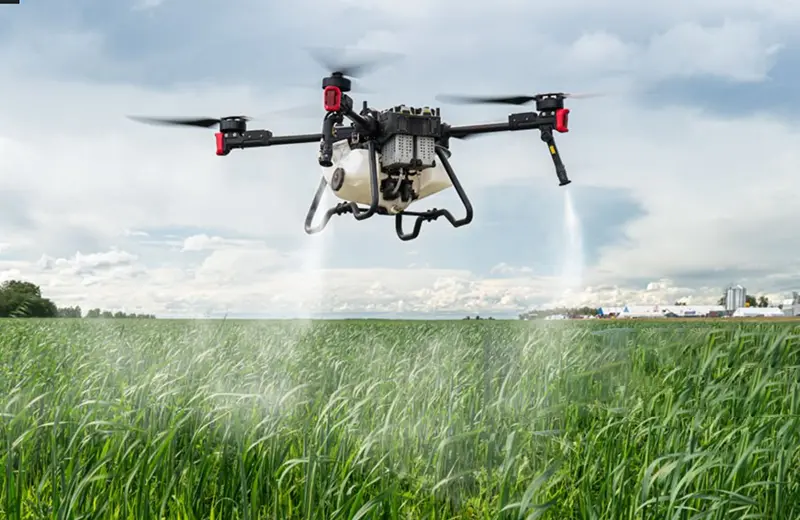
We assemble custom payloads, RTK kits, and coordinate FAA certification files.
Contact EngineersAnalyzing technology developments that will reshape municipal and industrial airspaces in Washington State.
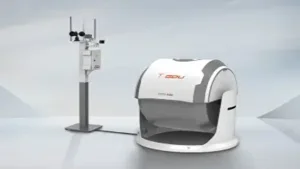
The regulatory shift in FAA Part 107 operational parameters moves towards autonomous drone dock networks (such as our GUD K01 kit). Continuous pipeline monitoring and harbor security patrols will no longer require local ground pilots, reducing daily operational overhead by up to 75%.
Battery performance drops during Seattle's cold, humid winters. Transitioning to advanced lithium-silicon anodes and lightweight hydrogen fuel-cells yields flight operations lasting 2 to 4 hours under heavy wind loads, extending mission coverage profiles significantly.
By executing real-time object detection models directly on the drone's edge computer, payloads will transmit only high-priority safety flags over 5G networks, conserving valuable downlink bandwidth and speeding up rapid response times from hours to fractions of a second.
Enterprises need drones to integrate seamlessly into existing Enterprise Resource Planning (ERP) databases. UUUFLY platforms feature open SDKs and REST APIs, letting you dispatch drone fleets, upload missions, and retrieve telemetry data within your current corporate software systems.
Answering technical, logistical, and compliance questions from procurement directors and operations leads.
A: The MMC industrial series, including the Skylle II, features IP67 ingress protection, ensuring vital electrical components remain sealed from heavy rains. Built with high-tensile carbon-fiber frames, they maintain safe operational flight profiles in steady winds of up to 15 m/s (approx. 33 mph) with advanced flight-controller corrections.
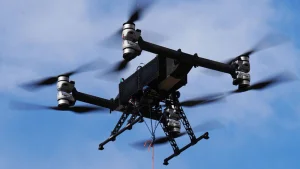
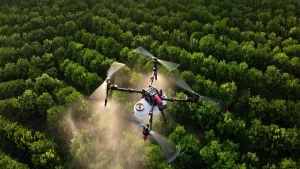
A: Yes. We customize and integrate third-party payloads, including LiDAR sensors (Riegl, Livox), multispectral cameras (Micasense), and specialized variable-rate spray nozzles. Contact our solutions desk with your exact payload requirements to receive a customized flight configuration proposal.
A: All active control feeds, telemetry streams, and video transmissions are protected via AES-256 encryption. We also offer regional on-premises server setups, ensuring that sensitive aerial topography, municipal building scans, or utility grid data stays entirely within your localized firewall.
A: Standard stock configurations ship within 14-21 business days. Custom integrations (custom payload bays, dedicated RTK sensors, or specialized control software setups) typically require 30 to 45 days. We coordinate all logistics, customs filings, and delivery directly to your facility in Seattle or worldwide.
Connect directly with our senior application engineers to design, build, and deploy custom UAV platforms optimized for your specific local market challenges.
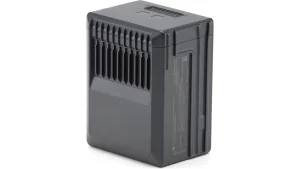
Access factory-direct pricing on standard platforms, battery backup setups, and customized automation docks.
 UUUFLY