Explore our premium B2B unmanned systems, custom-built hardware solutions, and operational components designed for continuous commercial deployments.
We turn drones from tools into infrastructure, enabling the global low-altitude economy with engineering rigor and compliance.
At UUUFLY, we are committed to moving beyond simple aircraft distribution. Our engineering vision builds stable, enterprise-ready infrastructure suited to the harshest environmental constraints. From broad acre farms in Latin America to challenging afforestation zones in Europe and remote industrial sites across Southeast Asia, our deployment protocols are backed by solid hardware validation and secure software infrastructure.
We work closely with global agricultural cooperatives, state-backed forestry agencies, and industrial supply companies. Our goal is to replace manual labor and high-emission machinery with efficient, long-lasting aerial seeding platforms. By doing so, we ensure that agricultural programs and ecological restoration projects stay on schedule, remain transparent, and comply with international regulations.
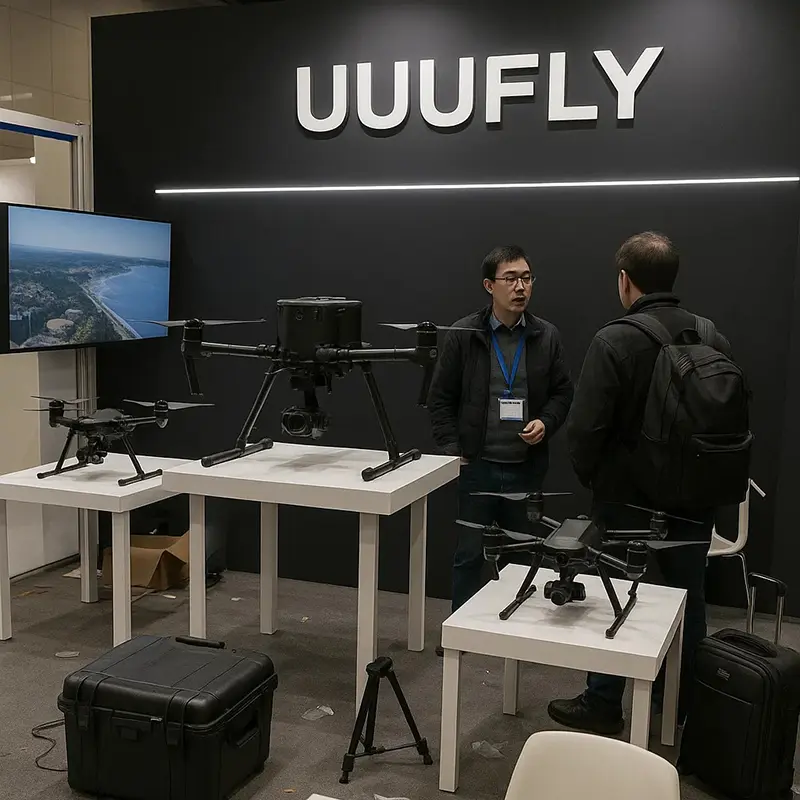
Bridging the gap between agricultural performance demands and autonomous software execution.
UUUFLY builds repeatable, traceable, and compliant UAV systems through integrated innovation across hardware, algorithms, and data operations. We close the loop of Discover → Decide → Execute → Trace for power, agriculture, and smart-city customers, delivering measurable aerial productivity at scale.
Our platforms support: dual-spectrum defect detection (for power inspection), multispectral sensing & variable spraying (for precision agriculture), 0.05-m 3D mapping (for smart cities), autonomous routes & fleet scheduling (for scaled operations), and a secure, end-to-end edge-to-cloud data pipeline (for compliance and data governance).
Hard metrics validating our industry footprint and system reliability.
Empowering global enterprises with targeted aerial hardware platforms and intelligent data operations.
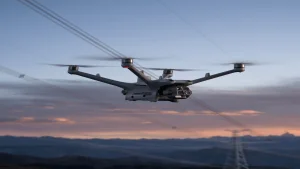
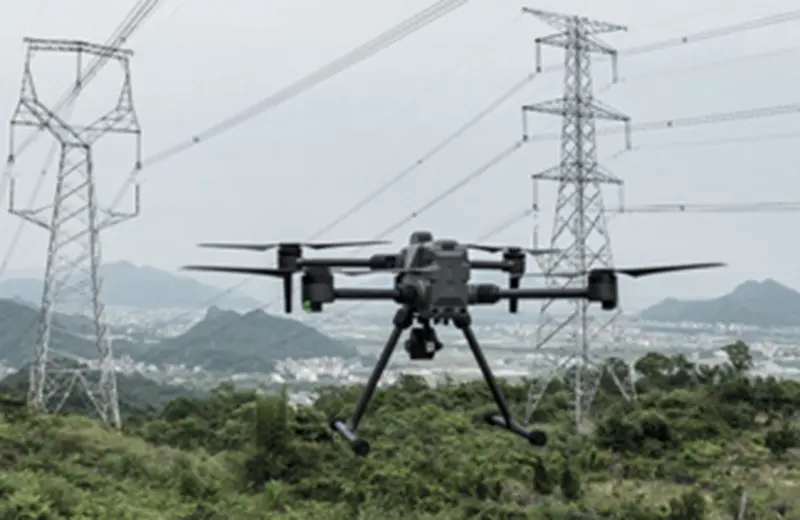
With millimeter-level positioning and encrypted video links, combined with dual-spectrum defect detection and AI target recognition, defect discovery efficiency improves by about 40%. Autonomous patrols and emergency response remain reliable in complex environments. The fast-charge system is compatible with mainstream fleets (80% in 30 minutes), and carbon-fiber propellers with IP67 motors cover most models. In multiple grid pilots, defect detection reached 99.7%.
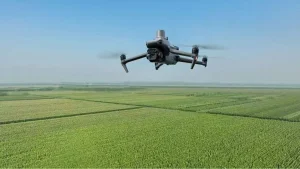
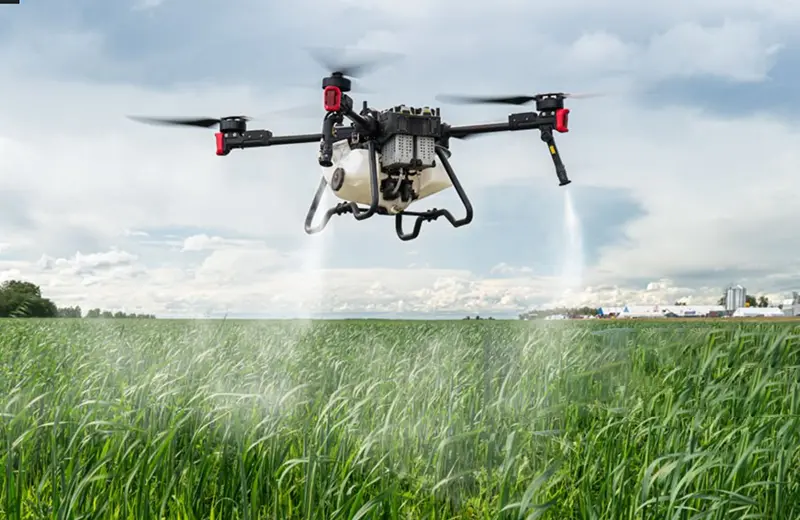
Multispectral payloads and AI analytics enable early diagnosis of pests and diseases (about 98% accuracy). Variable spraying reduces pesticide use by roughly 30%, while a 50Ah battery and corrosion-resistant tank allow a single flight to cover 200+ mu (≈16 acres). At scale, farms typically see 20–30% lower operating costs.
Combining LiDAR with oblique photogrammetry delivers 0.05-m 3D mapping, making modeling about 5× faster and reducing cost by 60%. With GDPR-compliant encrypted transmission and 5G for real-time cloud analytics, our data underpins urban planning and digital-twin programs, boosting planning efficiency by around 300% in typical projects.
The platform provides autonomous routes, fleet scheduling, mission orchestration, and an edge-to-cloud pipeline. Open APIs and message buses integrate seamlessly with enterprise systems to build a secure, observable low-altitude network.
In the face of rising climate instability, shifting labor demographics, and the push for soil conservation, traditional seeding and reforestation methods are proving less and less practical. Manual planting in remote, mountainous, or fire-damaged terrain is slow, costly, and carries significant occupational safety risks. Heavy tractor-pulled mechanical seeders, while highly efficient on flat farmland, cause severe soil compaction, disrupt underground ecosystems, and cannot operate in wet or steep areas. Aerial seeding using piloted fixed-wing aircraft lacks precision, leading to high seed loss and high costs.
This is where precision agricultural seeding drones come in, representing a major technological shift. They offer a repeatable, scalable, and highly accurate way to plant seeds in forestry, cover cropping, and crop production. By combining advanced aerodynamics, digital flight controls, centimeter-level RTK positioning, and specialized material spreading mechanisms, these systems help enterprises achieve reliable germination rates while minimizing waste.
The global market for seeding drones is expanding rapidly, transitioning from simple product testing to large-scale commercial operation. This growth is driven by three main advancements:
When sourcing industrial-grade seeding drones, corporate buyers look for systems that deliver high performance, low downtime, and clear cost-efficiency. Key priorities include:
Payload Optimization and Swappable Systems: To maximize return on investment, enterprises look for modular platforms. Buyers need drones that can switch from a liquid spraying tank to a dry material hopper in minutes. This allows one fleet to handle pre-season spraying, mid-season seeding, and end-of-season crop management.
Rotorwash and Swath Control: A drone's rotor configuration creates downwash that directly affects seed placement. Advanced seeding systems sync the spinner speed, seed feed rate, and flight speed with the downward airflow. This ensures seeds land exactly within the target boundary, even when operating in crosswinds.
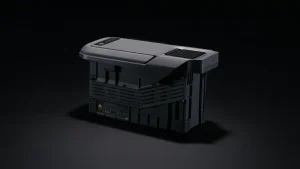
Battery Cycle Economics and Charging Speed: The total cost of ownership is closely tied to battery life. UUUFLY addresses this by using smart batteries designed for deep charging cycles and rapid-charge systems that reach an 80% charge in 30 minutes. This allows operations to run continuously with minimal backup battery packs.
For large-scale agricultural projects and government forestry programs, operating a single drone is rarely enough. Success requires coordinated fleet operations and structured data management.
Using autonomous flight paths and multi-agent scheduling software, operators can coordinate several drones from a single ground control station. Drones can divide a large field into separate search zones, automatically adjust their spacing, share real-time RTK positioning coordinates, and return to recharge stations as needed. When combined with multispectral mapping data, the fleet can adjust seed dispensing rates dynamically. For example, it can drop more seeds in high-moisture soils and fewer in rocky, dry areas to optimize resource use.
Deploying commercial drone fleets globally requires navigating complex aviation regulations and technical standards. UUUFLY ensures compliance at every stage:
As we look to the future, we are focusing our R&D efforts on key areas to expand the capabilities of aerial seeding:
Alternative Energy Sources: Battery weight remains a limiting factor for flight times. We are exploring hybrid power systems, including hydrogen fuel cells, to extend flight times past 60 minutes with full payloads. This will make large-scale operations in remote areas much more efficient.
Edge Computing and AI Analysis: Future platforms will feature on-board AI processing. By combining multispectral cameras with edge computing, drones will be able to analyze soil conditions in real-time and adjust seed drop patterns on the fly, without needing post-processing on the ground.
Smarter Fleet Orchestration: We are refining our scheduling software to improve coordination across large teams of drones. This will allow for more complex operations, such as simultaneous mapping, seeding, and spraying across thousands of hectares.
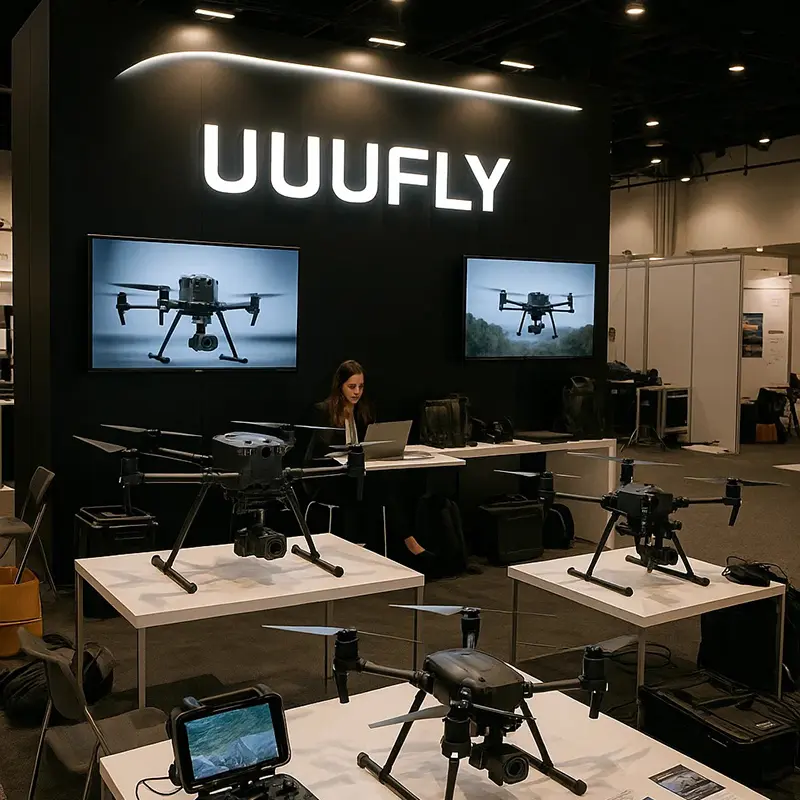
We combine manufacturing quality, strict testing, and data security to deliver reliable drone platforms.
Combining expertise in aerospace engineering, computer vision, and industrial operations.
We maintain strict quality control and regulatory alignment across our entire product line:
To build the core infrastructure for the global low-altitude economy. We continuously integrate 5G networks, on-board AI, and hydrogen energy systems to make aerial operations more standardized, intelligent, and environmentally friendly.
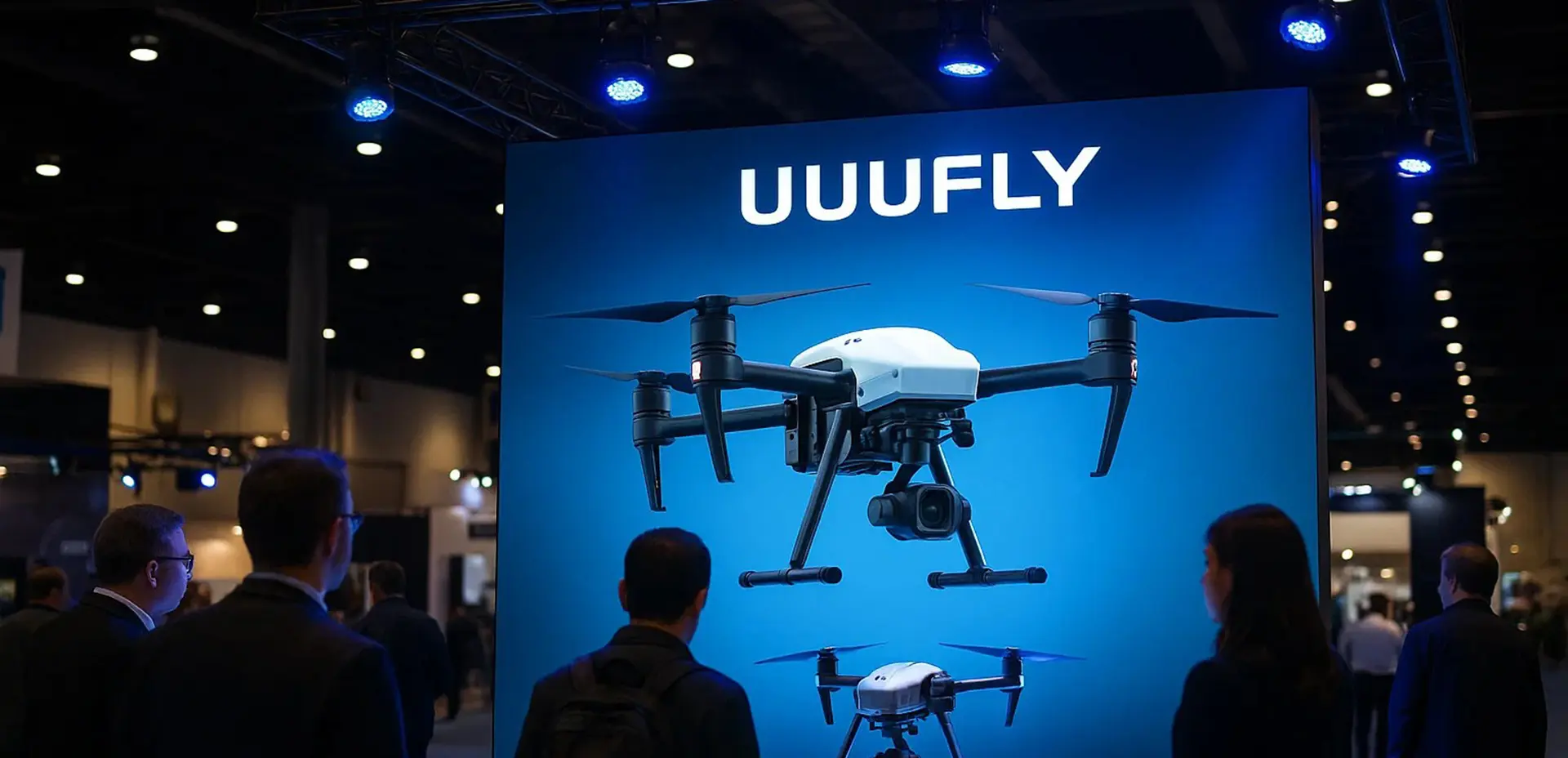
Deploying modular unmanned systems to solve complex operational challenges across sectors.
Key information regarding procurement, technical specifications, operational limits, and compliance.
Our seeding systems use active air-assisted (pneumatic) distribution feed rollers rather than simple gravity spin plates. This design allows you to adjust the feed rate dynamically based on flight speed. It prevents seed clumping, ensures uniform coverage, and handles pelleted seed coatings without damaging them.
Yes. Our modular platforms feature swappable payload systems. Operators can switch between a liquid spraying module and a dry seeding hopper in under ten minutes using standard quick-connect hardware and wire harnesses.
Our flight controllers integrate with global RTK correction networks (using NTRIP protocols) and standalone base stations. This provides centimeter-level horizontal and vertical positioning accuracy, which is essential for precise row alignment and seed placement.
All telemetry, video feeds, and flight logs are protected with AES-256 encryption. We offer flexible data deployment options, including fully private on-premise cloud configurations, to comply with regional data privacy laws like GDPR.
Our aircraft and battery systems carry CE, FCC, and RoHS certifications. We also provide full documentation to assist clients with local airspace authorizations, such as FAA Part 107 or EASA SORA requirements.
Our smart batteries are rated for up to 500-800 charge cycles, depending on operating temperatures. Using our high-power balance chargers, a battery can go from a 20% to an 80% charge in about 30 minutes, helping to minimize fleet downtime.
Browse our complete list of industrial aircraft, specialty platforms, and power packs to complete your fleet setup.
 UUUFLY