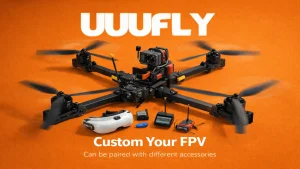
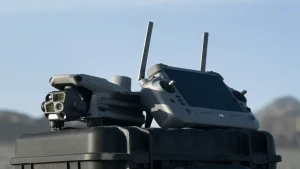
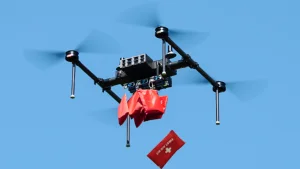
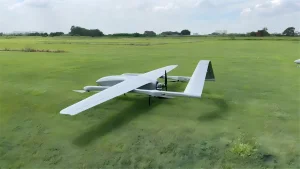
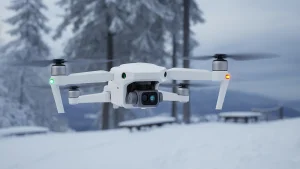
Discover our leading heavy-lift and specialized flight hardware platforms custom built for mission readiness.
An authoritative analysis of industrial-grade unmanned aerial systems scaling operational productivity.
As airspace integration achieves global maturity, "Custom Big Drones for Sale" has evolved from a niche procurement search term into a strategic infrastructure query. Heavy-lift unmanned aerial vehicles (UAVs)—specifically platforms configured for payloads exceeding 20kg up to 100kg—now form the backbone of commercial cargo logistics, agricultural operations, and public safety containment structures. Standardized consumer drones are structurally incapable of handling the adverse wind shear, payload requirements, and duty cycles demanded by industrial field environments. Enterprise procurement managers are turning to specialized, custom-designed, and high-capacity multirotor and VTOL architectures to satisfy their operational KPI goals.
Historically, heavy UAV missions were restricted by battery energy density limitations. The integration of Industry 4.0 power management technology, high-C rate smart batteries, and hybrid power systems (hydrogen fuel cells and generator-backed platforms) has broken down the previous operational barriers. The low-altitude economy is transforming vehicles from lightweight photography tools into critical physical infrastructure.
Global enterprise procurement needs are shifting rapidly. Organizations require highly configurable chassis designs. By leveraging modular aerospace materials such as woven carbon fiber and specialized structural alloys, modern aircraft achieve unprecedented structural weight efficiency. This design allows operators to integrate varied payloads including dual-spectrum thermal cameras, lidar sensors, high-throughput agricultural spraying systems, and specialized communications relays on a single aircraft base frame.
The global demand for heavy-lift custom drones spans critical vertical industries. In North America and Europe, stringent regulatory frameworks (e.g., FAA Part 107, EASA Specific Category) demand robust documentation, airworthiness records, and secure data pipelines. Drones must not only be mechanically reliable; their command links, telemetry pathways, and video feeds must be hardened to satisfy cybersecurity criteria. At the same time, regional logistics corridors, agricultural fields in South America, and offshore infrastructure networks in the Middle East drive demand for specialized, high-capacity aircraft built to operate in severe, real-world field conditions.
We turn drones from tools into infrastructure, enabling the global low‑altitude economy with engineering rigor and compliance.
At UUUFLY, we resolve the gap between standard off-the-shelf commercial hardware and the extreme demands of industrial enterprise deployment. By prioritizing engineering compliance, design traceability, and vertical-specific payload integrations, we ensure our platforms deliver operational returns under the most demanding field conditions.
Through close collaboration with certified component partners and implementing aerospace-grade quality management controls throughout our manufacturing footprint, we offer businesses reliable drone platforms designed to perform consistently in long-term operations.
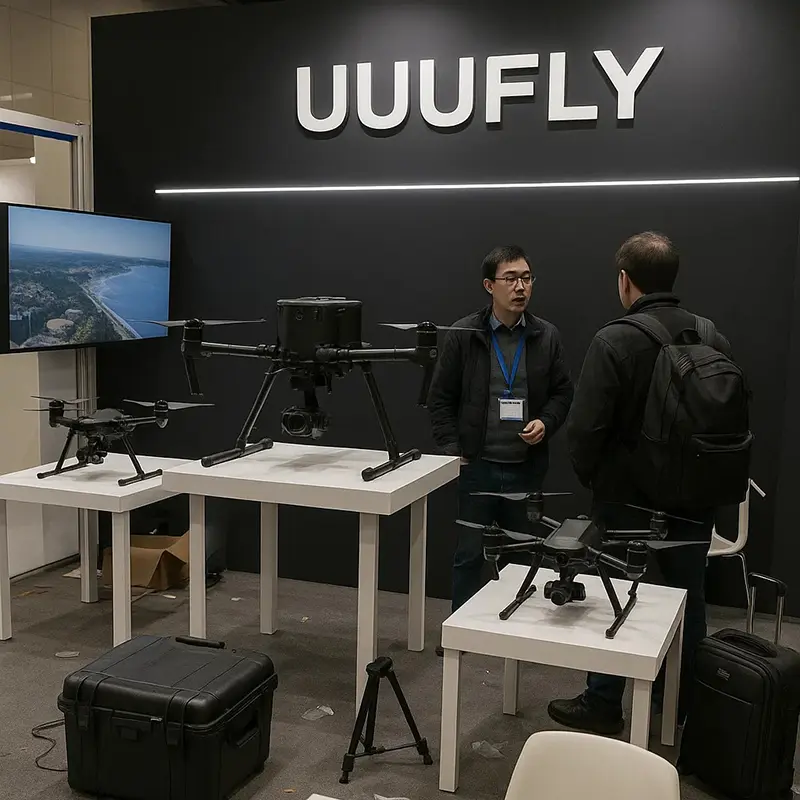
Integrated engineering innovation spanning hardware, precision algorithms, and cloud data operations.
UUUFLY builds repeatable, traceable and compliant UAV systems through integrated innovation across hardware, algorithms and data operations. We close the loop of Discover → Decide → Execute → Trace for power, agriculture and smart‑city customers, delivering measurable aerial productivity at scale.
Dual-spectrum defect detection optimizes visual and thermal data gathering for grid-critical power inspections and infrastructure scans.
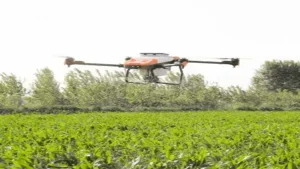
Multispectral sensing coupled with variable spraying technology ensures optimal fluid dispersion while lowering chemical costs.
High-precision LIDAR and oblique photogrammetry integration yields accurate digital twins for smart city programs.
Pioneering field-proven applications across critical vertical markets.
With millimeter‑level positioning and encrypted video links, combined with dual‑spectrum defect detection and AI target recognition, defect discovery efficiency improves by about 40%. Autonomous patrols and emergency response remain reliable in complex environments. The fast‑charge system is compatible with mainstream fleets (80% in 30 minutes), and carbon‑fiber propellers with IP67 motors cover most models. In multiple grid pilots, defect detection reached 99.7%.
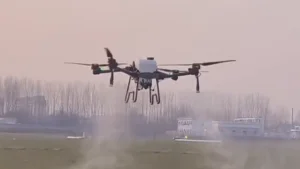
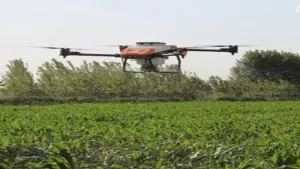
Multispectral payloads and AI analytics enable early diagnosis of pests and diseases (about 98% accuracy). Variable spraying reduces pesticide use by roughly 30%, while a 50Ah battery and corrosion‑resistant tank allow a single flight to cover 200+ mu (≈16 acres). At scale, farms typically see 20–30% lower operating costs.
Combining LiDAR with oblique photogrammetry delivers 0.05‑m 3D mapping, making modeling about 5× faster and reducing cost by 60%. With GDPR‑compliant encrypted transmission and 5G for real‑time cloud analytics, our data underpins urban planning and digital‑twin programs, boosting planning efficiency by around 300% in typical projects.
The platform provides autonomous routes, fleet scheduling, mission orchestration and an edge‑to‑cloud pipeline. Open APIs and message buses integrate seamlessly with enterprise systems to build a secure, observable low‑altitude network.
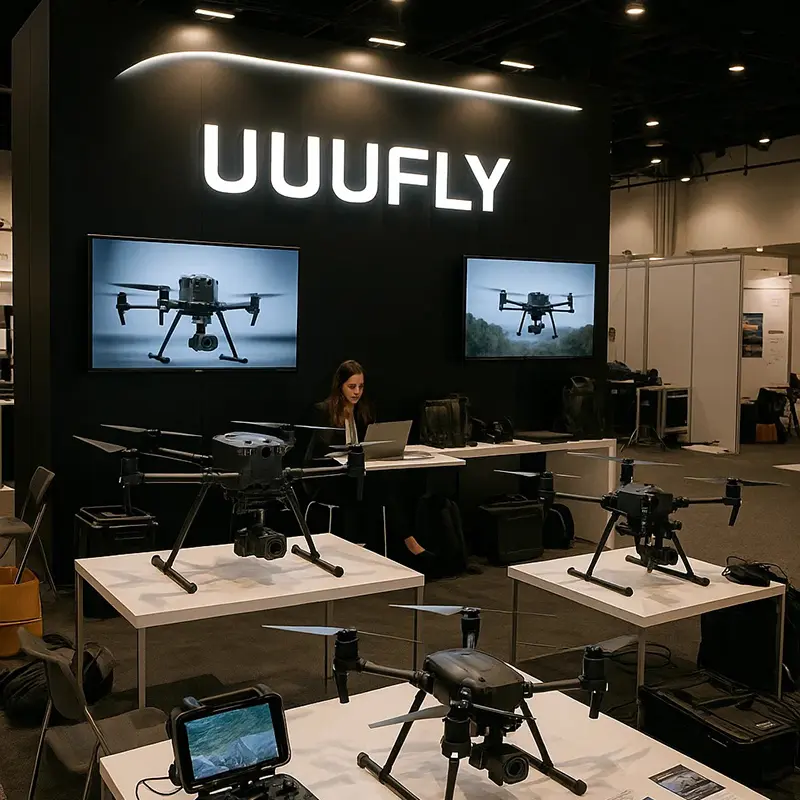
One of the primary structural advantages of choosing UUUFLY is our advanced industrial base built on China Factory 4.0 manufacturing processes. The high-performance drone sector demands precision machining, dynamic balancing of carbon fiber components, and rigorous electro-magnetic compatibility (EMC/EMI) shielding tests. Our factories leverage advanced production pathways to optimize structural integrity and lower production costs.
China's comprehensive manufacturing ecosystem enables us to source raw carbon fiber materials, high-density brushless motor winding hardware, and advanced silicon components with minimal lead times. This resilience ensures our production schedules remain unaffected by global market volatility, guaranteeing consistent equipment delivery for long-term fleet contracts.
Operational data, international compliance, and engineering support engineered for global enterprise teams.
Over 500k+ core components shipped, 300+ enterprise clients, and operational deployments in 30+ major cities validate our platforms' field reliability.
Rigid structure builds, strict EMC/EMI isolation, and robust communication links are stress-tested to operate reliably in high-interference environments.
Multilingual customer success teams (CN/EN/JP/RU/FR/ES/AR) provide continuous assistance across different regions and time zones.
Hardware meets CE/FCC/RoHS requirements, command channels utilize AES‑256 encryption, and multiple deployment structures protect data sovereignty.
Standardized hardware interfaces and open cloud APIs allow smooth integration with existing dispatch systems and custom data tools.
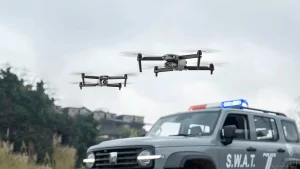
Our hardware performs consistently in municipal operations, public safety support, and commercial precision agriculture projects.
Aerospace engineering, computer vision, and operational professionals building future-ready low-altitude technology.
We combine aerospace engineering, embedded systems, computer vision and large‑scale operations. We understand vehicles and payloads, and we understand the safety standards and compliance that keep missions trustworthy. Together with partners, we build an open, dependable and integrable platform for the low‑altitude economy.
Operational platforms customized to support critical missions across diverse environments.
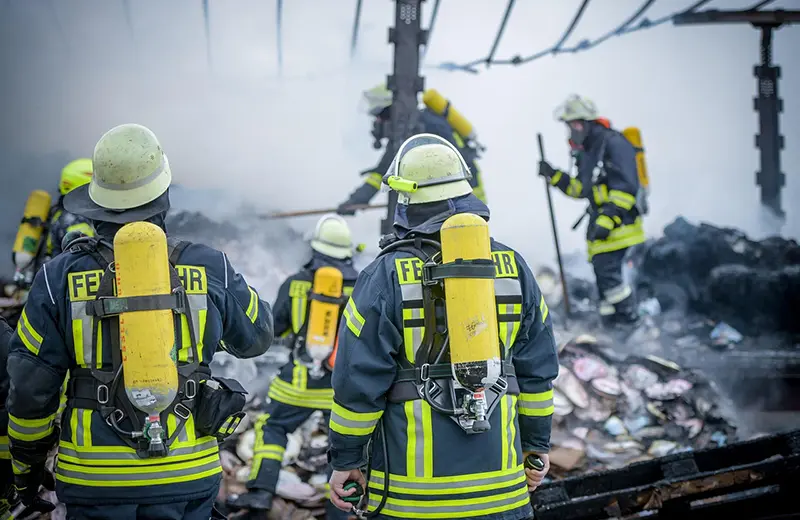

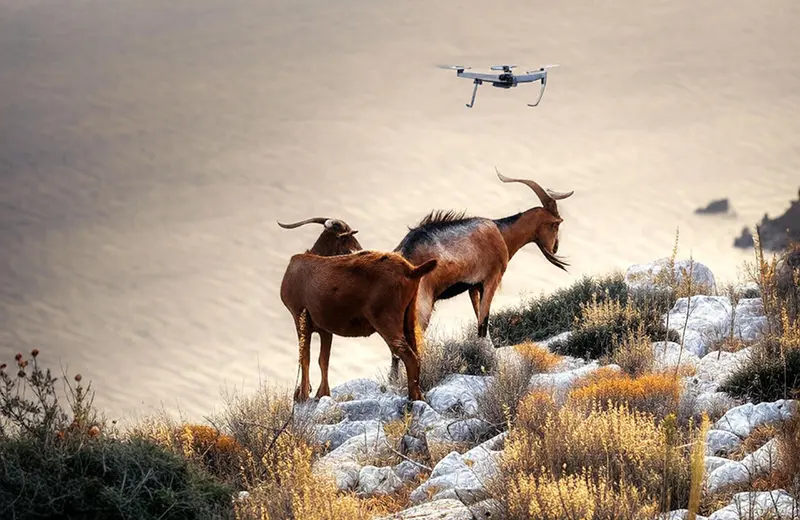
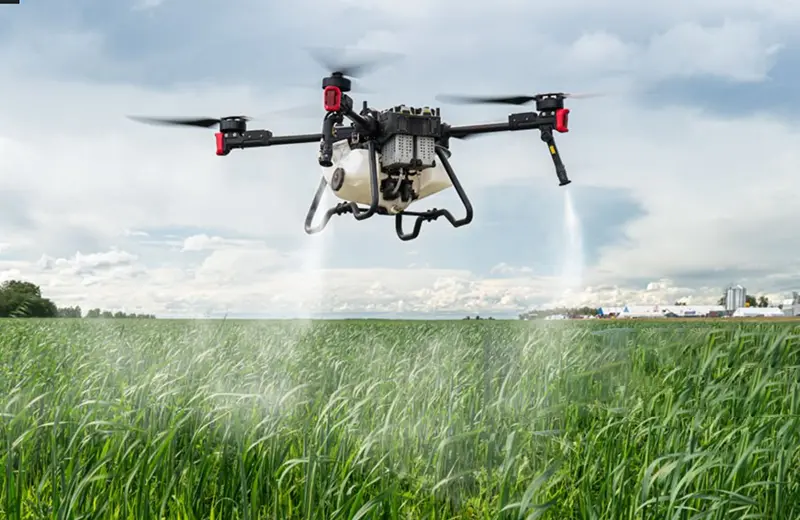
To become the core infrastructure provider for the global low‑altitude economy. We will keep integrating 5G, AI and hydrogen energy to drive standardized, intelligent and green aerial operations.
Technical and procurement inquiries regarding custom heavy-lift drone development.
Payload capacity is determined by the motor sizing, configuration, and structural limits of the carbon fiber frame. Our current configurations support payloads ranging from 10kg up to 50kg (as seen in our AL4-50 model). Flight times vary based on payload and battery capacity: an empty flight can exceed 45 minutes, while a fully-loaded operation typically yields 15 to 25 minutes of active flight time using our high-energy lithium batteries.
We deploy AES-256 bit hardware-level encryption across our main transmission links. This guarantees security against signal interception and hijacking. Our data storage systems comply with regional frameworks such as GDPR, offering clients options to deploy on private physical servers or within secure local cloud environments.
Every custom drone goes through structural stress tests, vibration tests, and electromagnetic interference (EMI) scans in our testing facility. The dynamic balancing of each carbon-fiber blade assembly is monitored, and we run full-power test flights in environmental chambers to confirm performance in temperature variations between -20°C and 60°C.
Yes. Our UAV systems feature standardized hardware mounting points and power buses. They are compatible with DJI Payload SDK, MMC interfaces, and open-source command environments. The open API framework supports integration with proprietary fleet dispatch systems, GIS mapping platforms, and AI analysis pipelines.
Explore our technical components, high-density batteries, and heavy multirotor platform varieties.
 UUUFLY