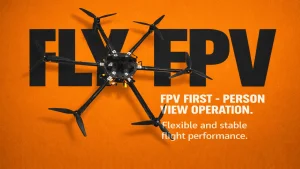
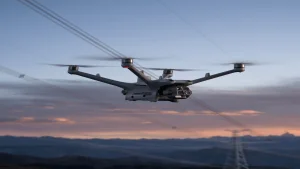
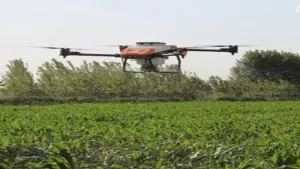
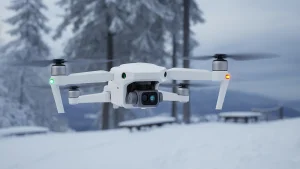
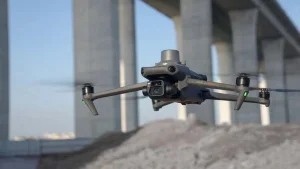
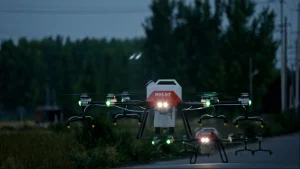
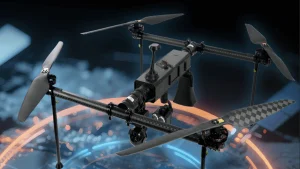
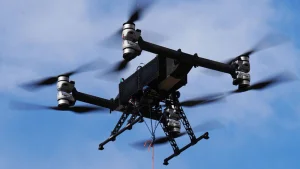
Explore our premium commercial inventory designed for utility inspections, multispectral agriculture, and precision land surveying.
We turn drones from simple, isolated tools into interconnected, reliable infrastructure, enabling the global low-altitude economy with engineering rigor, compliance, and custom hardware.
At UUUFLY, we address the industry's critical bottleneck: translating raw aerial remote sensing into reproducible business insights. As a premier partner for wholesale buyers, enterprise fleets, and state organizations, our operations span from specialized system customization to manufacturing components at a global scale. We guarantee that every drone leaving our facility meets high reliability standards under extreme thermal and electromagnetic conditions.
Through our specialized partner network and integrated industrial factories, we align high-performance airframe engineering with robust software pipelines, solving complex field challenges across energy networks, digital cities, and agricultural fields.
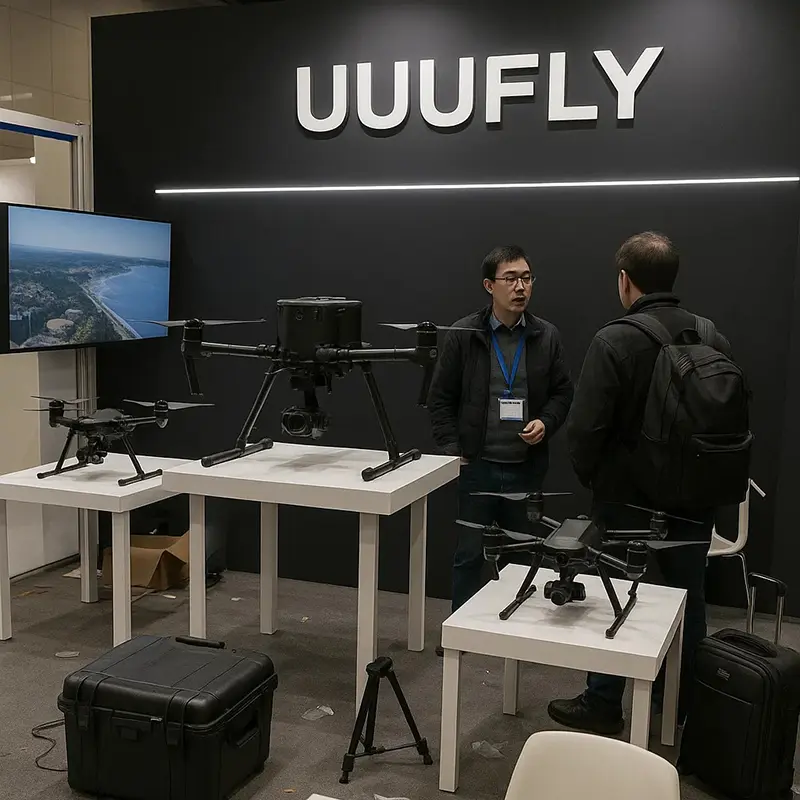
The global low-altitude airspace is changing. Industrial enterprises require standardized, audit-ready data. Here is how UUUFLY closes the loop between data collection and execution.
UUUFLY builds repeatable, traceable, and compliant UAV systems through integrated innovation across hardware, algorithms, and data operations. We close the loop of Discover → Decide → Execute → Trace for power, agriculture, and smart-city customers, delivering measurable aerial productivity at scale.
The transition from manual flights to autonomous BVLOS (Beyond Visual Line of Sight) drone programs requires strong components, secure communications, and smart edge processing. By manufacturing our own high-density batteries, carbon-fiber structural elements, and advanced payload systems, UUUFLY provides enterprise partners with lower operational costs and a direct, secure line of control.
Our technological footprint addresses critical industrial bottlenecks. We design, manufacture, and calibrate complex drone systems for:
Our modular approach adapts to different operational environments, providing customized payloads and automation software.
With millimeter-level positioning and encrypted video links, combined with dual-spectrum defect detection and AI target recognition, defect discovery efficiency improves by about 40%. Autonomous patrols and emergency response remain reliable in complex environments.
Our fast-charge system is compatible with mainstream fleets (80% in 30 minutes), and carbon-fiber propellers with IP67 motors cover most models. In multiple grid pilots, our defect detection reached 99.7% accuracy.
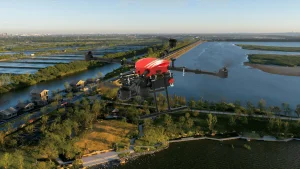
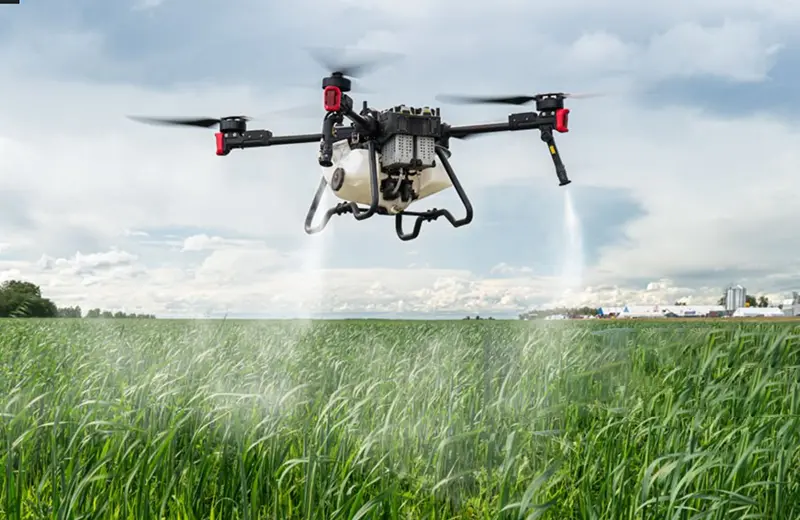
Multispectral payloads and AI analytics enable early diagnosis of pests and diseases (about 98% accuracy). Variable spraying reduces pesticide use by roughly 30%, while a 50Ah battery and corrosion-resistant tank allow a single flight to cover 200+ mu (≈16 acres).
At scale, commercial operators typically see 20-30% lower operating costs, allowing for rapid investment returns on equipment purchases.
Combining LiDAR with oblique photogrammetry delivers 0.05-m 3D mapping, making modeling about 5x faster and reducing cost by 60%.
With GDPR-compliant encrypted transmission and 5G for real-time cloud analytics, our data underpins urban planning and digital-twin programs, boosting planning efficiency by around 300% in typical projects.
Our software platform provides autonomous routes, fleet scheduling, mission orchestration, and an edge-to-cloud data pipeline.
Open APIs and standardized message buses integrate with enterprise systems to build a secure, observable low-altitude network, helping fleet managers coordinate multiple VTOL and multirotor systems simultaneously.
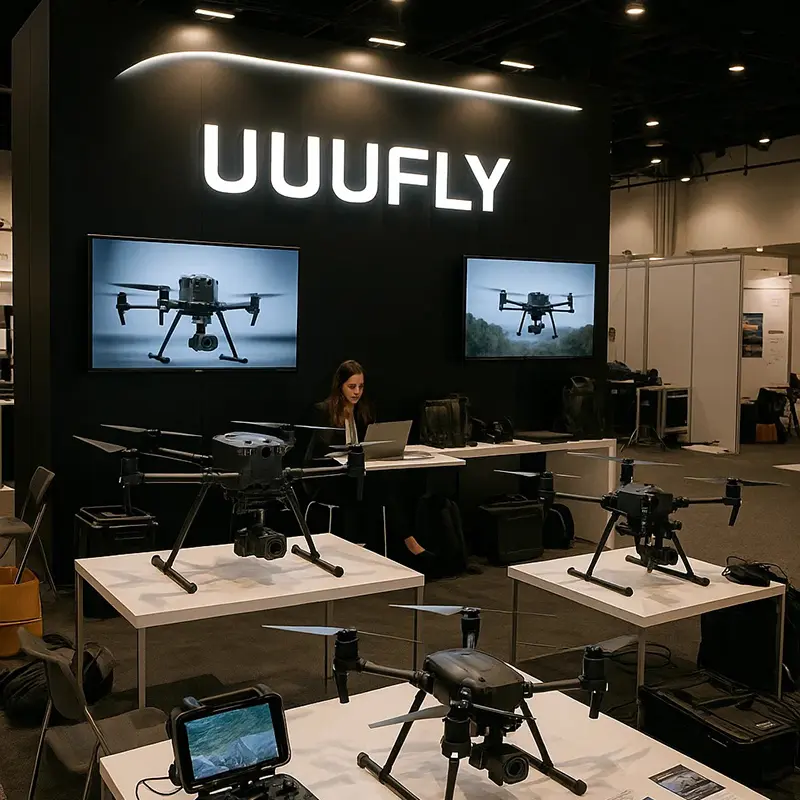
Industrial drone operations require reliable hardware, secure data lines, and global technical support. Here is how UUUFLY supports enterprise drone operations:
The industrial UAV sector is moving toward complete automation, extended flight times, and enhanced edge computing. Our development map focuses on three areas:
Next-generation UUUFLY airframes integrate onboard vision processing, mmWave radar, and RTK GNSS receivers. This configuration enables GPS-denied navigation, automated obstacle avoidance in forests or around power lines, and real-time mapping directly on the aircraft.
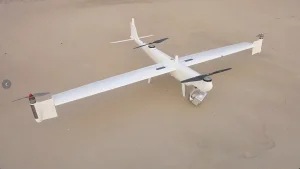
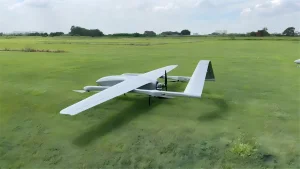
To extend typical multirotor flights past 45 minutes, we are developing solid-state lithium cells and integrated hydrogen fuel cells. This technology targets operational windows of 90+ minutes for multirotors and 4+ hours for heavy-lift VTOL systems like the MMC M11.
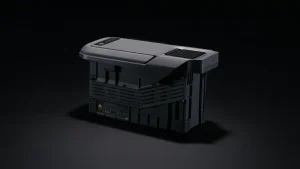
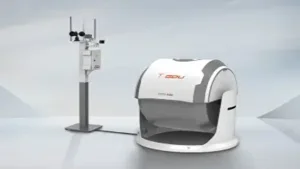
Autonomous operations require robust ground infrastructure. Our GUD K01 Dock Kits feature rapid battery-swapping, climate-controlled storage, and remote telemetry links. These enclosures support continuous, unscheduled aerial patrols without onsite field technicians.
Managing manufacturing networks is essential to maintaining quality control, keeping production costs stable, and delivering orders on schedule.
Our core assembly facilities in China's advanced manufacturing hubs provide access to a complete UAV component ecosystem. This allows us to source raw carbon fiber, custom-wound brushless motors, and precision injection molds directly, minimizing production lead times.
By integrating design and manufacturing under one management system, we fast-track updates to structural elements and electronic components. For wholesale clients, this means stable pricing, consistent quality, and a reliable supply chain.
Our factories use automated optical inspection (AOI), environmental chambers, and vibration test beds to inspect every production run. This quality assurance ensures your fleet is ready for challenging field operations.
We offer custom engineering services for large orders:
Our team brings together specialists in aerospace engineering, autonomy software, and manufacturing systems.
Former industrial UAV product lead; drives product architecture, standardization, and ecosystem partnerships.
Computer vision & autonomy specialist focusing on sensor fusion, target detection, and mission decision systems.
Drives localization and partner-led delivery across the Middle East, Central Asia, and Russia.
Aerospace & electrical engineer focusing on payload integration, EMC/EMI shielding, and reliability design.
Leads neural network training and mission orchestration to optimize detection accuracy and autonomous flight strategies.
Drives localization and partner-led distribution networks across Latin America, the Middle East, and North Africa.
We work to support a clean, automated, and standardized future for aerial operations.
Our vision is to provide core hardware and software infrastructure for the global low-altitude economy. We continue to integrate 5G networks, AI computing, and hydrogen fuel cells to support standardized, automated, and low-emission aerial operations.
By working with local software developers and hardware partners, we supply modular components that adapt to regional regulations. This flexible design allows operators to choose suitable communication systems and payloads for their local regulatory requirements.
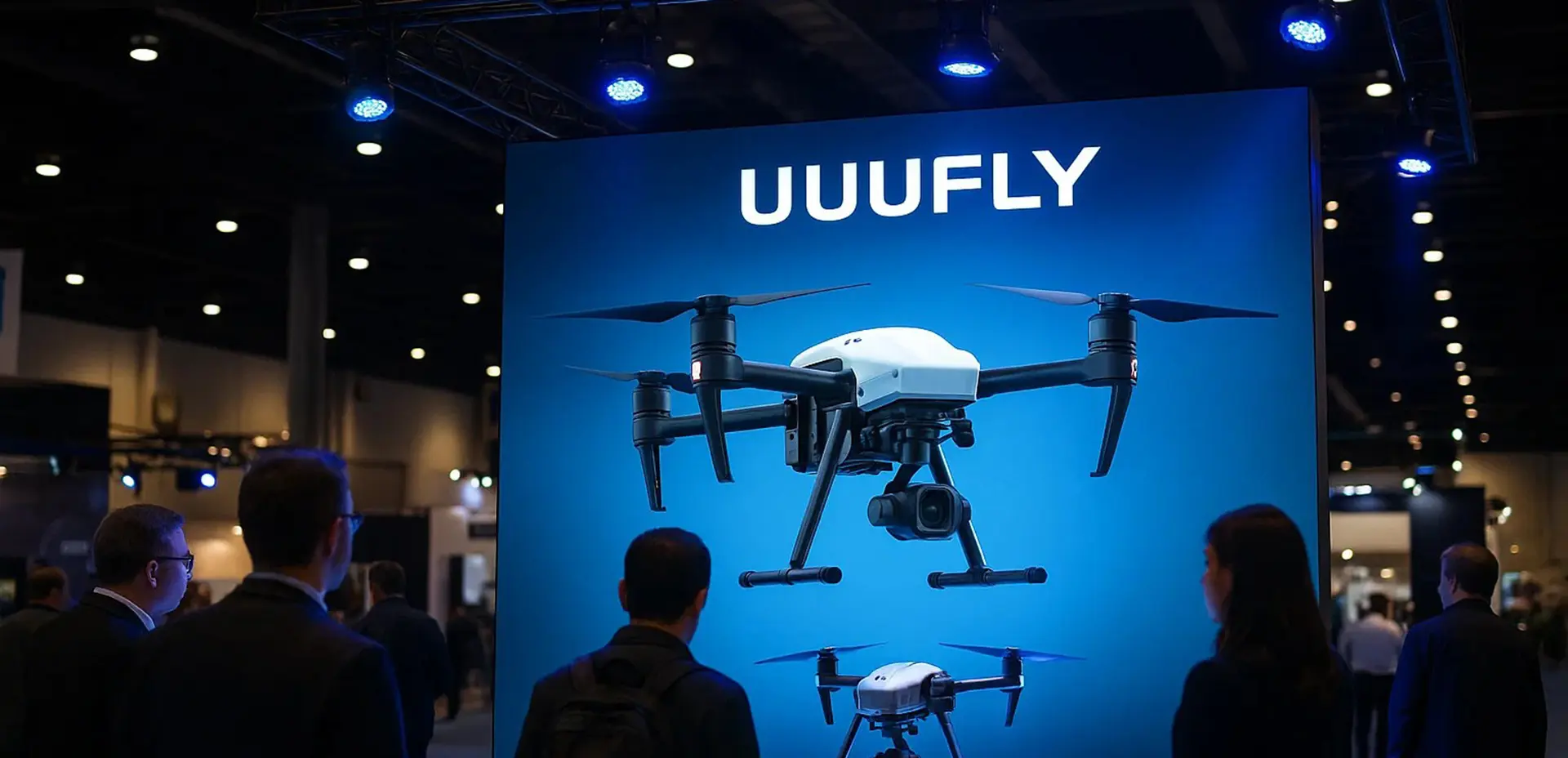


Get answers to common technical, manufacturing, and operational questions about our industrial drone platforms.
Our systems utilize AES-256 encrypted software protocols for command and data streaming. For urban environments, we integrate multi-frequency frequency-hopping spread spectrum (FHSS) technology. This maintains control signals when operating near radio towers, construction machinery, and high-voltage transmission lines.
We provide local hosting configurations to support regional data sovereignty. Clients can deploy our software platform on their own physical servers or within a private cloud environment, keeping all flight paths, photos, and high-resolution maps under client control.
Standard product orders typically ship within 10 to 15 business days. Custom orders requiring payload modifications, structural carbon-fiber adjustments, or software integration average 4 to 8 weeks, depending on design complexity and required certifications.
Yes. Our flight controllers support regional settings like geofencing parameters, remote ID modules, transponders, and automated return-to-home parameters. These features help operators set up their fleets in compliance with local aviation authorities.
When a drone lands on the GUD K01 station, an automated mechanical arm extracts the discharged battery and inserts a fully charged one. The process takes less than 3 minutes, allowing the drone to resume operations quickly. The dock's climate control system manages battery temperatures to protect cell lifespans.
Browse the remainder of our commercial fleet, components, and automated docking stations for large-scale operations.
 UUUFLY