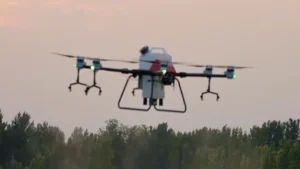
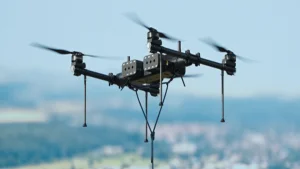
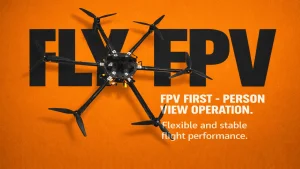
Designed for optimal spraying efficiency across Portuguese vineyards, olive groves, and intensive agricultural zones.
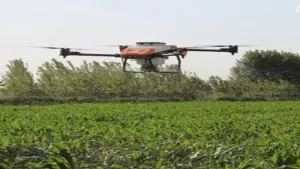
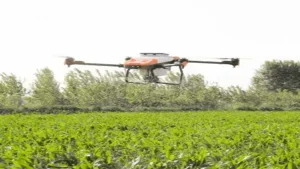
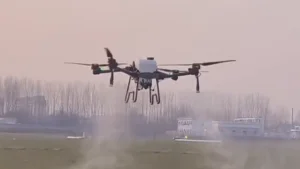
Portugal is rapidly transforming into one of Southern Europe’s key technological epicenters. With geographic terrains ranging from the rolling plains of the Alentejo agricultural belt to the rugged coastlines of the Atlantic Ocean, the application of unmanned aerial vehicles (UAVs) is no longer a luxury but an operational necessity. The Portuguese farming sector faces severe challenges, including climate-induced water shortages, the transition to high-density olive orchards, and the preservation of historic hillside vineyards in the Douro Valley. AOLAN's localized spray platforms address these hurdles through precision-driven multispectral analysis and targeted micro-spraying.
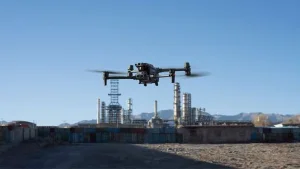
Concurrently, Portugal’s strategic focus on the blue economy, extensive offshore wind installations, and complex electrical grids demands rugged industrial inspection models. Our UAS platforms combine millimetric RTK positioning and highly durable carbon fiber structures to withstand harsh offshore winds, enabling precise scanning of infrastructure along the coastlines of Porto, Lisbon, and the Azores archipelago.
By integrating EASA operational frameworks (including Open and Specific category authorizations), AOLAN provides Portuguese enterprises with turn-key drone solutions that adhere strictly to local air traffic regulations, ensuring compliance, safety, and operational excellence.

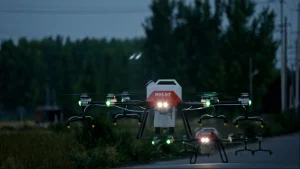
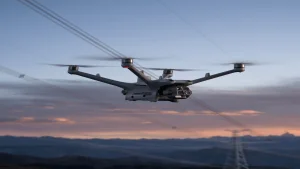
Engineered to support public safety, utility networks, and long-range surveillance across Portugal's dense forests and mountain regions.
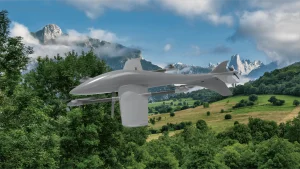
We turn drones from tools into infrastructure, enabling the global low‑altitude economy with engineering rigor and compliance.
UUUFLY builds repeatable, traceable, and compliant UAV systems through integrated innovation across hardware, algorithms, and data operations. We close the loop of Discover → Decide → Execute → Trace for power, agriculture, and smart‑city customers, delivering measurable aerial productivity at scale.
Dual‑spectrum defect detection (power inspection), multispectral sensing & variable spraying (precision agriculture), 0.05‑m 3D mapping (smart city), autonomous routes & fleet scheduling (scaled operations), and an end‑to‑end edge‑to‑cloud data pipeline (governance & compliance).
With millimeter‑level positioning and encrypted video links, combined with dual‑spectrum defect detection and AI target recognition, defect discovery efficiency improves by about 40%. In multiple grid pilots, defect detection reached 99.7%.
Multispectral payloads and AI analytics enable early diagnosis of pests and diseases (about 98% accuracy). Variable spraying reduces pesticide use by roughly 30%, while a 50Ah battery and corrosion‑resistant tank allow a single flight to cover 200+ mu (≈16 acres).
Combining LiDAR with oblique photogrammetry delivers 0.05‑m 3D mapping, making modeling about 5× faster and reducing cost by 60%. GDPR‑compliant encrypted transmission and 5G for real‑time cloud analytics boost planning efficiency by around 300%.

The industrial UAV sector requires absolute reliability and agile supply chains. AOLAN operates from the heart of China’s most advanced electronics and aerospace hubs, utilizing a highly integrated "Factory 4.0" design framework. Every drone we manufacture—from specialized agricultural sprayers to dual-spectrum inspection hexacopters—undergoes comprehensive quality assurance, including rigorous EMC (Electromagnetic Compatibility) testing, climate chamber simulation, and stress testing under varying wind dynamics.
This structural integration gives us unparalleled supply chain resilience. While western assemblers struggle with lead times for raw carbon fiber components, customized high-voltage batteries, or brushless IP67 motors, our direct pipeline guarantees constant raw material access and fast R&D turnaround cycles. We leverage optimized CAD design and robotic tooling to construct specialized structures, integrating customer-specific telemetry modules (supporting proprietary encryption, 5G, or UHF links) seamlessly into the airframe.
For our Portuguese enterprise buyers, this translates to faster turnaround times, full customization options, certified compliance, and a significantly lower Total Cost of Ownership (TCO) compared to non-integrated brands.
Decades of combined aerospace knowledge and local compliance experience built directly into our platform.
More than 500,000 core flight systems and propulsion units shipped globally, supporting 300+ enterprise clients in high-stakes environments.
Industrial-grade chassis designs, EMC/EMI shielding, redundant battery configurations, and strict data governance protocols developed for regulated EU markets.
24/7 technical advisory. All hardware holds CE, FCC, and RoHS certifications. Link security uses AES-256 transmission, and local data hosting complies with GDPR.
Combining aerospace engineering, computer vision, and large‑scale mission deployment expertise.
Former industrial UAV product lead; drives product architecture, standardization and ecosystem partnerships.
Computer vision & autonomy specialist focusing on sensor fusion, target detection and mission decision systems.
Drives localization and partner-led delivery across regional operations, flight training, and customer success.
Aerospace & electrical engineer focusing on payload integration, EMC/EMI and reliability design.
Leads model training and mission orchestration to optimize detection accuracy and decision strategies.
Drives global localization strategy, ecosystem integrations, and partner‑led market development.
Customized configurations to solve operational bottlenecks across varied economic domains.

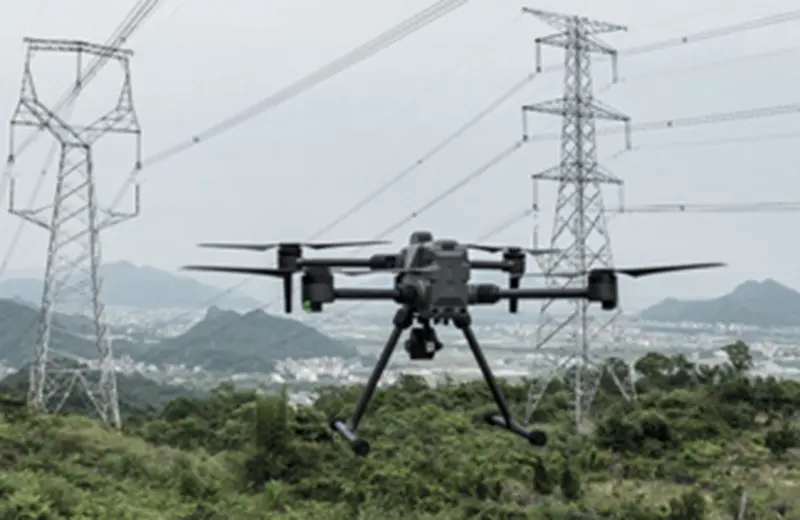

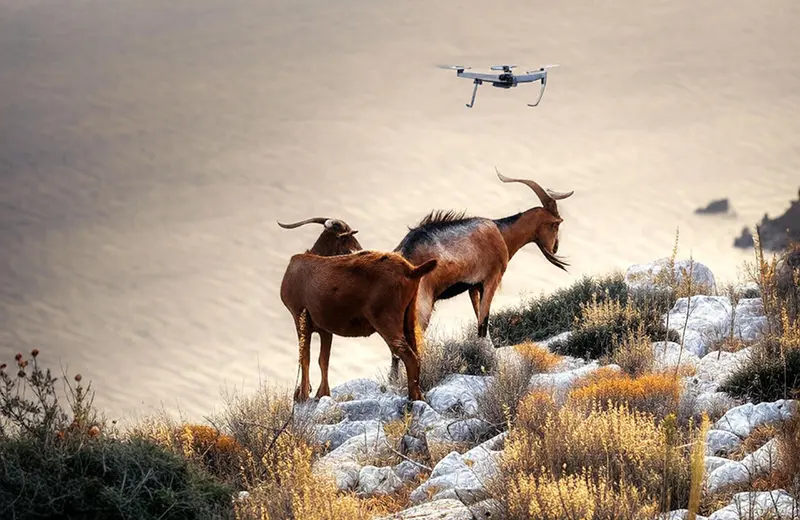
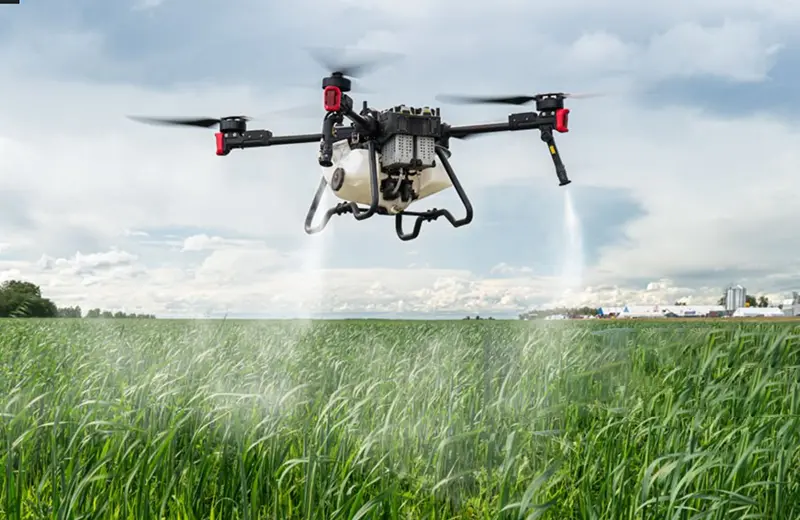
Helping operators optimize crop health assessment and precision variable spraying across complex Portuguese vineyard landscapes.
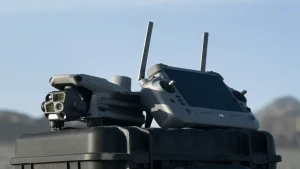
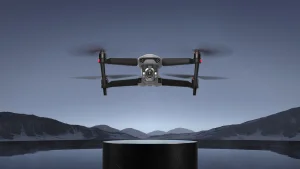
High-fidelity mapping, enterprise operations, and dual-thermal payloads compatible with EASA requirements.

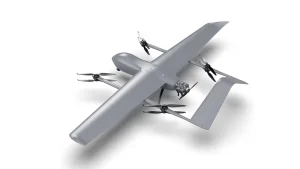
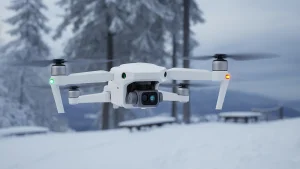
Under the European Union Aviation Safety Agency (EASA) guidelines, drone operators must guarantee robust cybersecurity protocols, particularly when deploying mapping sensors, thermal optics, or LiDAR cameras near critical metropolitan zones or military zones. At AOLAN, we place privacy and reliability at the heart of our hardware-software integrations.
All telemetry communication within our enterprise solutions is shielded with industry-standard AES-256 encryption. This prevents unauthorized interception of video feeds and coordinate maps during electrical substation checks or forest fire monitoring missions in central Portugal. Unlike commercial grade drones that default to syncing flight data with foreign servers, our fleet offers local-only data storage options, allowing Portuguese entities to store photogrammetric models, coordinate maps, and operational logs on internal local servers. This ensures compliance with European GDPR laws.
Additionally, we assist local entities in mapping out Specific category risk assessments (SORA), providing detailed design portfolios and validation metrics to satisfy ANAC (National Civil Aviation Authority of Portugal) requirements.

Essential insights for procurement managers and drone operators in Portugal.
Yes. All industrial and agricultural drone platforms supplied to Portugal align with the European Union Aviation Safety Agency (EASA) guidelines. We assist our customers with CE configuration requirements, providing standard documentation that aids in securing operating permits from the Portuguese National Civil Aviation Authority (ANAC) for both Open and Specific flight scenarios.
We use robust AES-256 data link encryption for all industrial platforms. For mapping, survey, and utility work, the system supports localized offline operations. This means all video streams, RTK telemetry, and spatial maps are saved directly to local storage devices or internal customer servers, ensuring compliance with EU GDPR mandates.
Absolutely. Our agricultural platforms (such as the AL4-30 and AL6-30) feature specialized terrain-following radar and LiDAR sensors. This allows the drones to maintain a consistent spray height above the vine canopies, even on steep terraced hillsides, optimizing distribution and preventing chemical drift.
Because of our integrated Factory 4.0 production environment in China, standard industrial models are ready to ship within 2 to 3 weeks. Custom configurations involving specialized payloads, unique radio systems, or custom frame adjustments typically range from 4 to 6 weeks, which is significantly faster than the industry average.
Yes. Through our partner network in Europe and remote support teams led by our Head of Solutions, Ken Zhu, we provide complete technical onboarding. We offer detailed operation manuals, flight simulators, and system setup guides to help your flight crew confidently handle the platforms.
 UUUFLY